The Yakuza
1974
No user ratings available yet
Representation score: 3.0 out of 10
Representation Score
Limited
1999
RDirector
Jim Jarmusch
Runtime
117 minutes
Average Rating
No ratings yetNew Showbiz Analysis
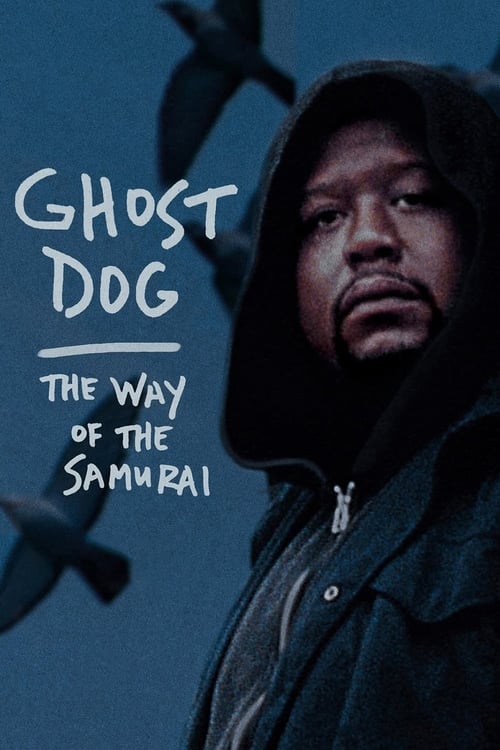
Ghost Dog is a stylistic subversion of the crime genre that leverages cultural the way different parts of someone's identity overlap. By placing an African American man within the ritualistic framework of the samurai, the film challenges conventional urban drama clichés. It uses a non-Western ethical code to critique modern institutional authority. However, the film's social scope is narrow, focusing on a hyper-masculine environment with limited representation for women or LGBTQ+ individuals. This creates a world that feels culturally rich yet socially isolated. Ultimately, the film excels at deconstructing Western norms through its protagonist's personal code, while failing to offer a diverse range of gendered or sexual identities.
Category Breakdown
The film does not include any LGBTQ+ characters or explore non-assuming gender matches what was assigned at birth identities. It emphasizes a hyper-masculine, solitary existence without engaging with queer themes.
The story revolves around a male-dominated hierarchy, with few women playing active roles. Female characters are mostly background figures, serving more as atmosphere than as active participants.
The film features a Black protagonist who embodies a warrior archetype typically associated with Western or East Asian figures. The New York City setting showcases a diverse, multicultural cast of characters.
The story centers on a protagonist influenced by the Hagakure, a non-Western ethical code. It contrasts hip-hop culture with samurai ritualism to critique Western cultural dominance.
There is no explicit depiction of physical disabilities or neurodivergence. While the protagonist exhibits extreme social detachment, these traits are not central to the narrative.
Present on Screen
Limited or Absent
Official Synopsis
A Black hitman who models after the samurai of old finds himself targeted for death by the mob.
1974
1994
2000
1995
1994
1967
1989
1998
No reviews yet. Be the first to share your thoughts on this movie!
Use the rating form above to leave a star rating and optional review.