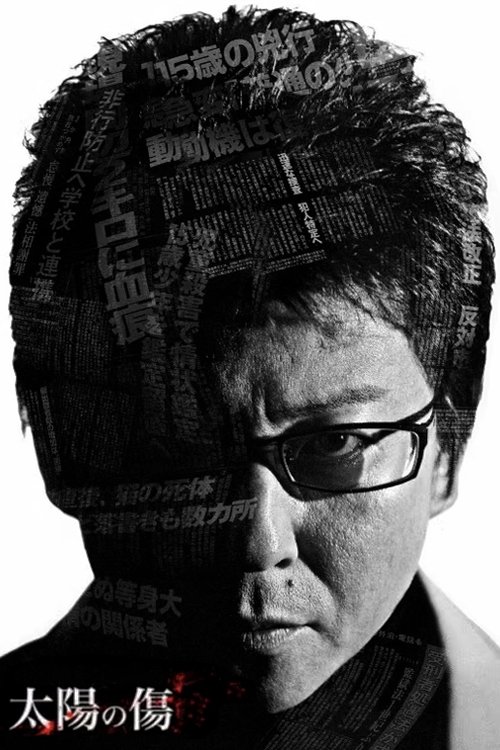
Sun Scarred
2006
No user ratings available yet
Representation score: 2.0 out of 10
Representation Score
Fair
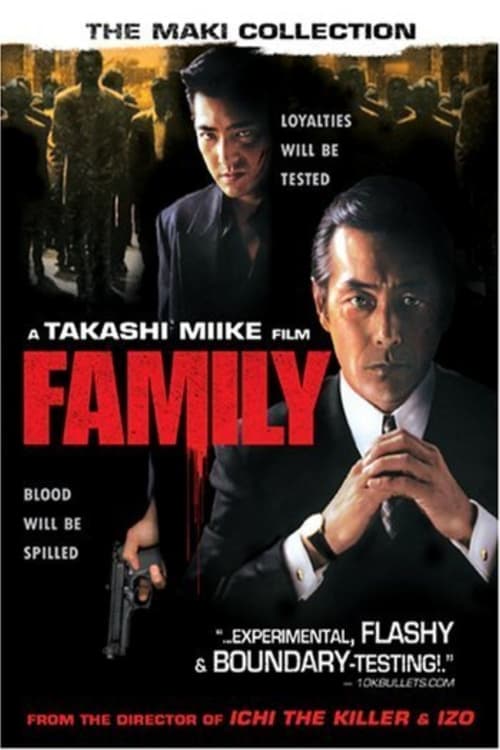
2001
Director
Takashi Miike
Runtime
79 minutes
Average Rating
No ratings yetNew Showbiz Analysis
Family is a gritty exploration of the Yakuza subculture that prioritizes thematic depth over broad demographic representation. While it effectively deconstructs mainstream legal morality and institutional authority, it remains tied to traditional social hierarchies. The film's strength lies in its sophisticated cultural critique, presenting a world where loyalty to a criminal group defines truth. However, this focus comes at the expense of broader representation. Gender and LGBTQ+ depictions are minimal, often reinforcing patriarchal norms and straight-centered structures. The narrative lacks a significant role in driving the story for women and provides no space for non-assuming gender matches what was assigned at birth identities.
Category Breakdown
The film does not include explicit LGBTQ+ characters or narratives. It focuses on traditional Yakuza structures and domestic roles, which are centered around heterosexual relationships.
Male characters, particularly the male protagonists, play a significant role in driving the story within a male-dominated hierarchy. Female characters, such as Mariko, often fall into traditional victimization roles and lack disruptive strength.
The cast is culturally homogeneous, reflecting a specific Japanese setting. This approach avoids whitewashing by staying true to its localized cultural context.
The film portrays a nuanced, non-traditional ethical landscape. It critiques institutional authority by presenting the Yakuza's internal code of honor as a cohesive way of life.
There is no significant portrayal of characters with visible or invisible disabilities. The film does not engage with neurodivergence or physical disability as central themes.
Present on Screen
Limited or Absent
Official Synopsis
When the mobster Iwaida Nishikawi is executed by the hit man Takeshi, his family chases the killer. Takeshi's brothers Takashi and Hideshi Miwa try to find Takeshi, who is hidden with the nurse Rie Ishibashi, to protect him and Hideshi discovers that Takeshi was secretly sent by their Yakuza boss to eliminate Iwaida. Meanwhile, the mobster Kenmoshi abducts Takashi's wife Mariko and rapes her, trying to force Takashi to deliver his brother to him.
2006
1999
2001
2017
2003
1974
2005
1993
No reviews yet. Be the first to share your thoughts on this movie!
Use the rating form above to leave a star rating and optional review.