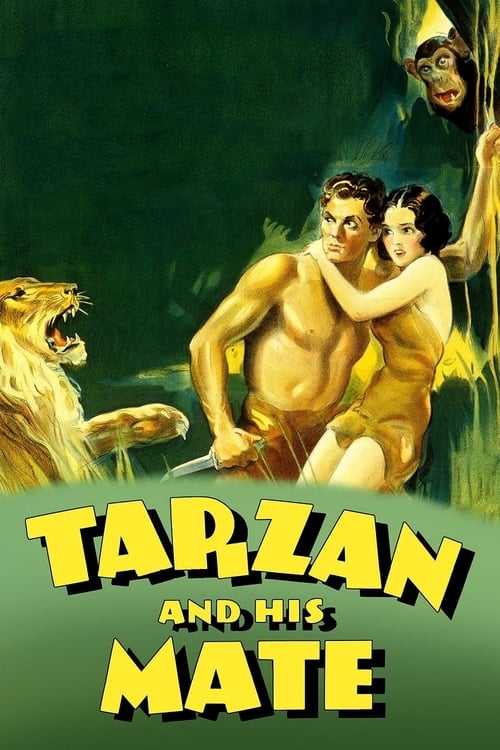
Tarzan and His Mate
1934
No user ratings available yet
Representation score: 2.1 out of 10
Representation Score
Minimal
1932
PassedDirector
W.S. Van Dyke
Runtime
100 minutes
Average Rating
No ratings yetNew Showbiz Analysis
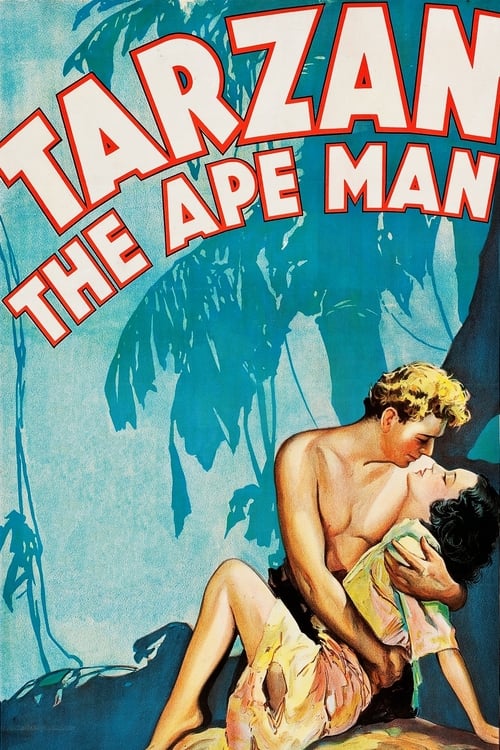
Tarzan the Ape Man is a quintessential product of the early studio era, reinforcing the social and cultural norms of the 1930s. The film concentrates ability to act within white, hyper-masculine protagonists, leaving little room for diverse perspectives. Narratively, the film relies on established clichés of the period, such as the damsel in distress and the colonial explorer. These structures prioritize commercial appeal and conventional heroic archetypes over any meaningful subversion of identity or power. Ultimately, the work upholds traditional hierarchies of gender, race, and colonial authority, presenting a world where Western explorers drive the plot against a backdrop of foreign landscapes.
Category Breakdown
The film strictly follows the assumption that everyone is straight or cisgender, focusing on the romantic tension between the male and female leads.
Jane is portrayed in the traditional damsel in distress role, emphasizing her vulnerability. Tarzan embodies a hyper-masculine archetype and holds the primary physical authority.
The story uses a colonialist lens, centering on a white, aristocratic protagonist. The African landscape serves as a backdrop for Western adventure, sidelining indigenous ability to act.
The narrative supports Western colonialist perspectives and lacks engagement with moral relativism. It validates the presence of Western explorers in foreign territories through a period-typical lens.
There is no evidence of characters with visible or invisible disabilities serving as central narrative elements or plot devices.
Present on Screen
Limited or Absent
Official Synopsis
James Parker and Harry Holt are on an expedition in Africa in search of the elephant burial grounds that will provide enough ivory to make them rich. Parker's beautiful daughter Jane arrives unexpectedly to join them. Jane is terrified when Tarzan and his ape friends abduct her, but when she returns to her father's expedition she has second thoughts about leaving Tarzan.
1934

1936

1995
1939
1933
1942
1985

1985
No reviews yet. Be the first to share your thoughts on this movie!
Use the rating form above to leave a star rating and optional review.