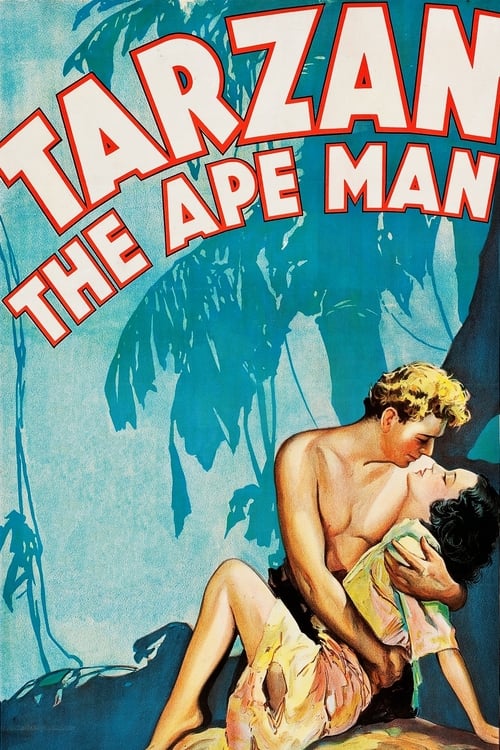
Tarzan the Ape Man
1932
No user ratings available yet
Representation score: 0.3 out of 10
Representation Score
Limited
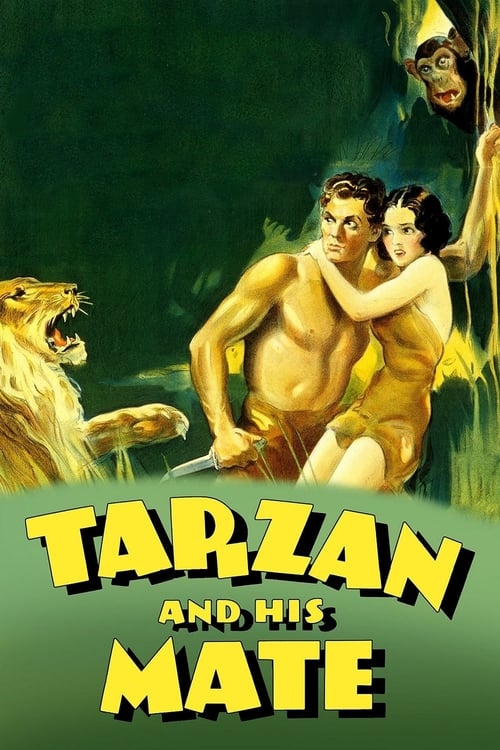
1934
NRDirector
Cedric Gibbons
Runtime
104 minutes
Average Rating
No ratings yetNew Showbiz Analysis
Tarzan and His Mate explores the tension between established societal order and the perceived freedom of the natural world. It offers a moral critique of Western civilization, depicting traditional social structures as potentially harmful to the human spirit. However, the film is limited by the biases of its time. It relies on colonialist stereotypes and lacks meaningful LGBTQ+ or racial representation, reinforcing a Western-centric view of Africa.
Category Breakdown
The film does not include any visible LGBTQ+ characters or non-straight identities. The story focuses solely on the romantic relationship between the main characters.
Jane adopts a traditional romantic role but gains a significant role in driving the story by rejecting civilized social structures for a wild life. However, masculine leadership remains the dominant power dynamic.
The depiction of Africa is filtered through a colonial lens and the 'noble savage' stereotype. Non-African actors often play indigenous roles.
The film critiques Western institutionalism by presenting man-made laws as restrictive and corrupt. It portrays the natural world as a pure alternative to complex Western civilization.
There are no prominent depictions of visible or invisible disabilities that drive the narrative or serve as central character arcs.
Present on Screen
Limited or Absent
Official Synopsis
Harry Holt returns to Africa with his friend Martin Arlington to head up a large ivory expedition.
1932
1936
1933
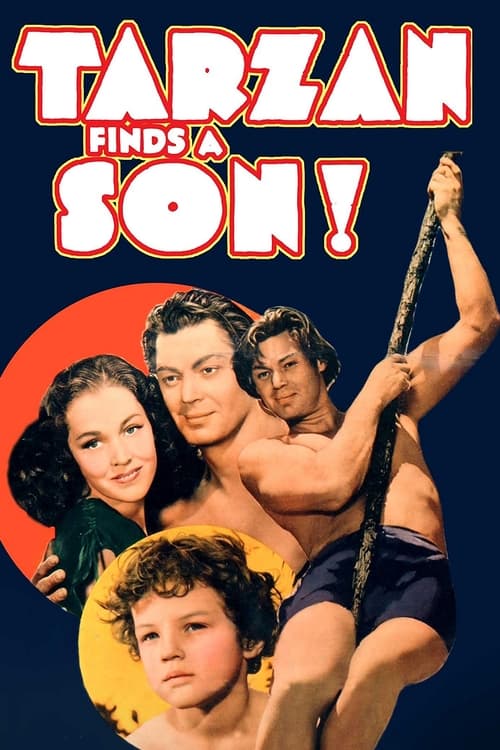
1939

1995
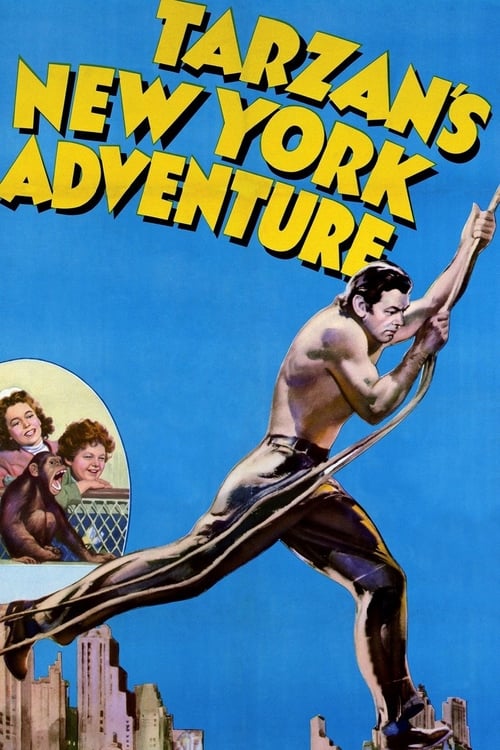
1942

2016
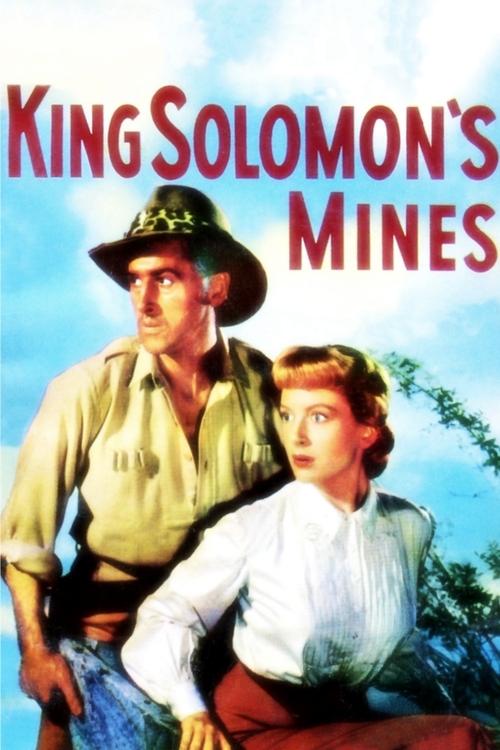
1950
No reviews yet. Be the first to share your thoughts on this movie!
Use the rating form above to leave a star rating and optional review.