
The Love Parade
1929
No user ratings available yet
Representation score: 3.5 out of 10
Representation Score
Minimal
1931
Director
Paul Czinner
Runtime
83 minutes
Average Rating
No ratings yetNew Showbiz Analysis
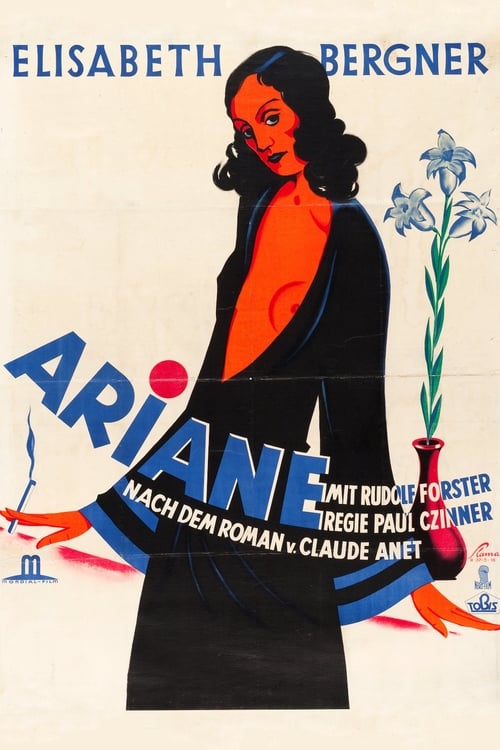
Ariane serves as the focal point of a character-driven story centered on a female protagonist. While the film highlights the lead actress by giving her a prominent role, it remains grounded in the social and moral norms of its time. The production does not engage with broader societal issues. It stays within traditional romantic frameworks that avoid exploring diverse identities, racial diversity, or non-traditional social structures. Ultimately, the film reflects its historical context, emphasizing classical romantic destiny over contemporary social complexities.
Category Breakdown
The film follows the conventions of early 1930s cinema and does not include any non-straight or non-cisgender identities or same-sex relationships.
Ariane plays a significant role in driving the story through her emotions and personal journey. However, the story still follows traditional romantic clichés and conflicts centered around marriage.
The casting is uniform, reflecting the standards of 1931 European cinema. The film does not intentionally blend races or represent non-Anglo-Saxon cultures.
The story adheres to a classic framework that upholds traditional views of aristocracy. It does not offer any critique of Western institutions or social hierarchies.
The film does not portray any visible or invisible disabilities within the characters. Disability is not used as a narrative device in this production.
Present on Screen
Limited or Absent
Official Synopsis
Ariane was Hungarian director Paul Czinner's first talking picture. Starring in the title role is Czinner's charming wife, Elizabeth Bergner, likewise making her talkie debut. Young, naive Ariane sets herself for an emotional fall when she falls in love with Konstantin (Rudolf Forster), a much older and very married businessman. For his part, Konstantin regards the girl as just another harmless fling -- until he realizes a shade too late that he's really in love with her after all. Filmed in German, Ariane was simultaneously lensed in an English-language version, The Loves of Ariane.
1929

1938
1927

1952
1935
1934

1931
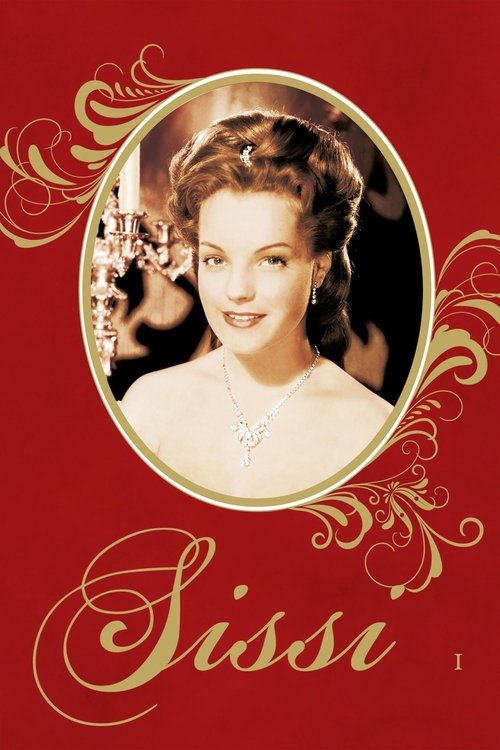
1955
No reviews yet. Be the first to share your thoughts on this movie!
Use the rating form above to leave a star rating and optional review.