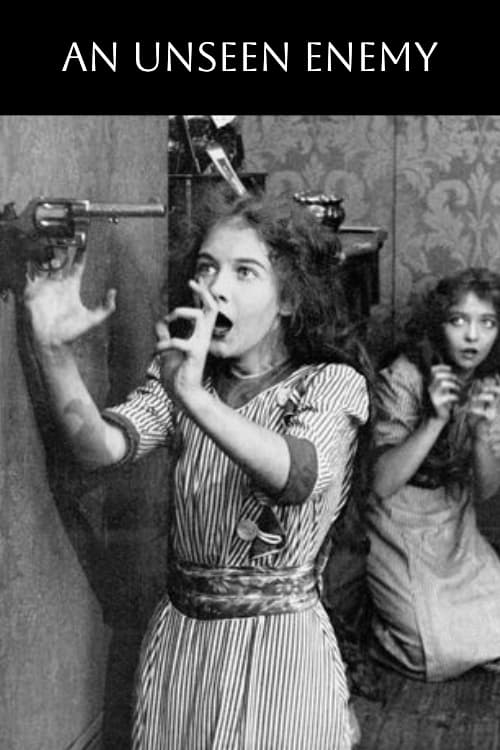
An Unseen Enemy
1912
No user ratings available yet
Representation score: 0.8 out of 10
Representation Score
Minimal
1911
NRDirector
D.W. Griffith
Runtime
16 minutes
Average Rating
No ratings yetNew Showbiz Analysis
The film is a product of early 20th-century melodrama, prioritizing moral binaries over complex representation. Its narrative structure relies on established clichés that reinforce traditional social hierarchies rather than challenging them. While the film explores universal themes of greed, it does so through a narrow lens, reflecting the era's limited scope of representation.
Category Breakdown
The film does not include any characters with LGBTQ+ identities or narratives centered around non-binary gender roles. It adheres strictly to the assumption that everyone is straight and cisgender.
Gender dynamics rely on the 'damsel in distress' cliché, where a young girl is portrayed as a passive victim to drive the plot, reinforcing traditional views of female vulnerability.
The film reflects the homogeneous casting standards of early American cinema, with no indication of racial blending or the inclusion of non-Anglo-Saxon characters.
The story focuses on Victorian-era moralism regarding greed and criminality, centering on individual character flaws rather than critiquing broader social structures.
There is no evidence of characters with physical or neurodivergent disabilities within the narrative.
Present on Screen
Limited or Absent
Official Synopsis
Thieves decide to steal the money an old miser has hidden away. He refuses to open the safe for them, so they threaten to kill a little girl who lives in his building.
1912
1908
1908
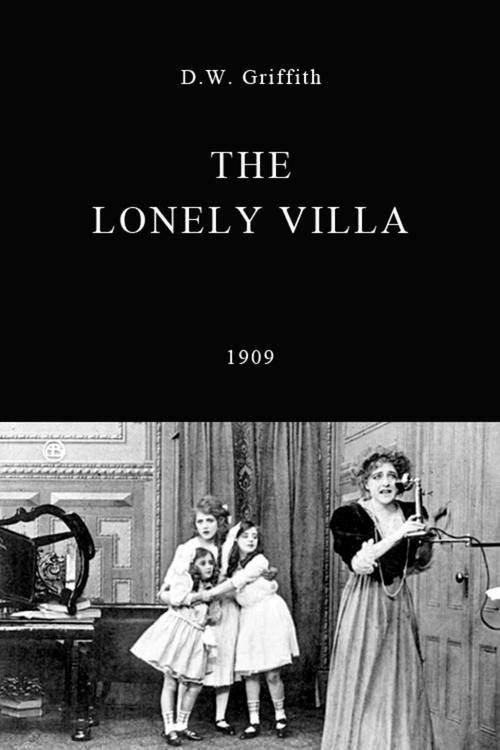
1909
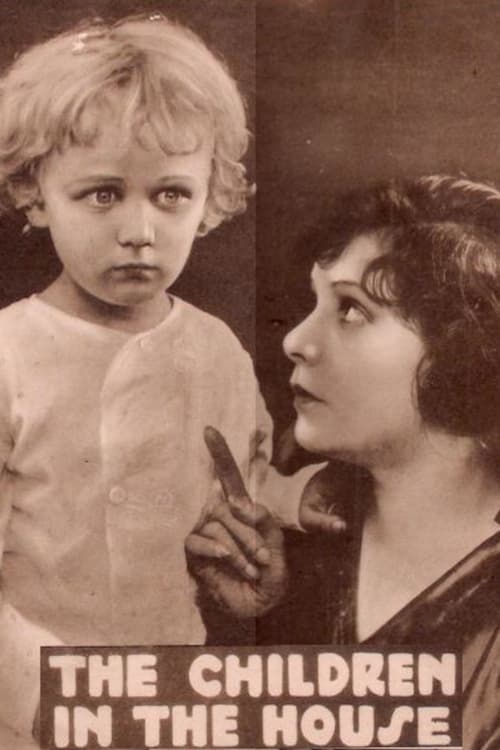
1916
1912
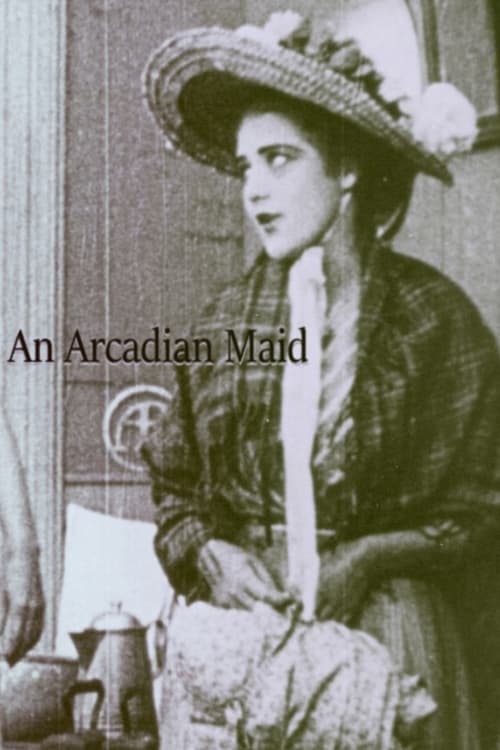
1910
1920
No reviews yet. Be the first to share your thoughts on this movie!
Use the rating form above to leave a star rating and optional review.