
A Corner in Wheat
1909
No user ratings available yet
Diversity score: 2.7 out of 10
1910
NRDirector
D.W. Griffith
Runtime
18 minutes
Average Rating
No ratings yetSynopsis
A wealthy, callous moneylender finds a terrifying way to learn about money's limitations.
Overall Score
Fair
Category Breakdown
LGBTQ+ Representation
The film contains no discernible presence of queer narratives or non-heteronormative identities. Character dynamics remain strictly confined to traditional familial and economic roles.
Gender Representation
Female characters function primarily as passive symbols of domestic vulnerability. While the film depicts women suffering under financial duress, they lack agency within the established gender hierarchies.
Racial & Ethnic Diversity
The production reflects a homogeneous casting profile typical of the early 20th century. There is no evidence of diverse ethnic perspectives or intentional racial blending.
Religious & Cultural Diversity
The narrative provides a potent critique of predatory capitalism. It frames the pursuit of profit as a systemic failure that is corrosive to the social fabric.
Disability Representation
There is no evidence of characters navigating physical or neurodivergent disabilities during the film's runtime.
Strengths
Areas for Improvement
AI Analysis
The Usurer is a period piece that prioritizes socioeconomic critique over identity-based representation. Its strength lies in its moralizing stance against unchecked capitalistic structures and the exploitation of the working class. However, the film is limited by the era's production standards, resulting in a lack of racial, ethnic, and LGBTQ+ diversity. Female characters are relegated to roles of victimhood rather than active participants in the narrative. Ultimately, the film serves as a study of class conflict rather than a diverse social tapestry, offering depth in institutional critique while remaining narrow in its demographic scope.
1909

1911
1909

1909
1919
1912
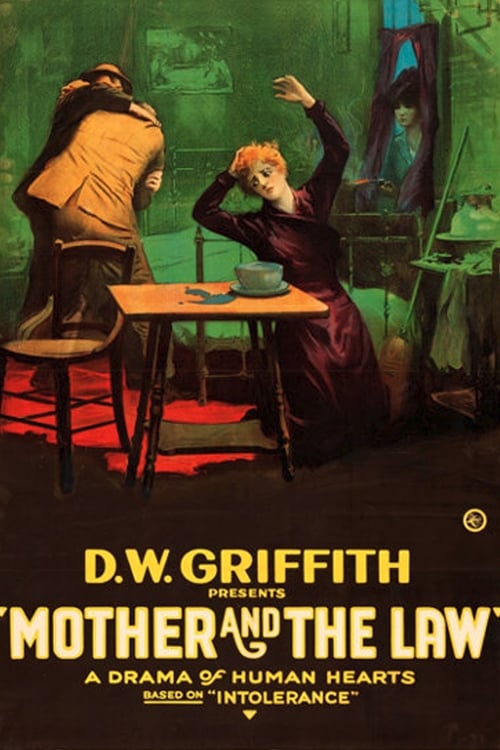
1919
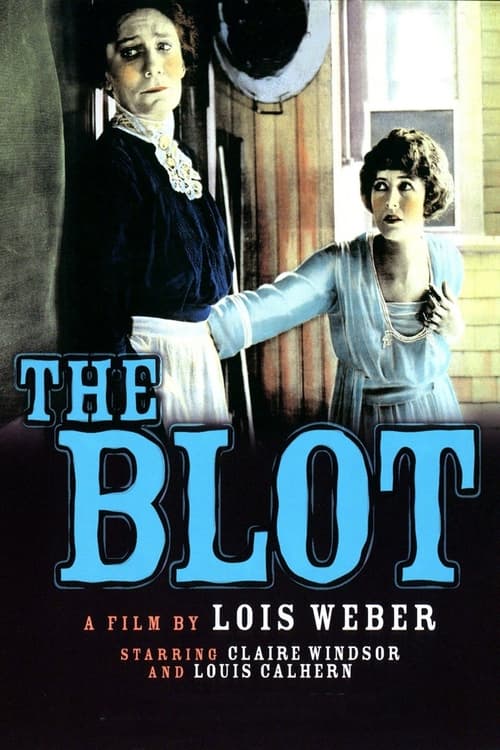
1921

2012

2014
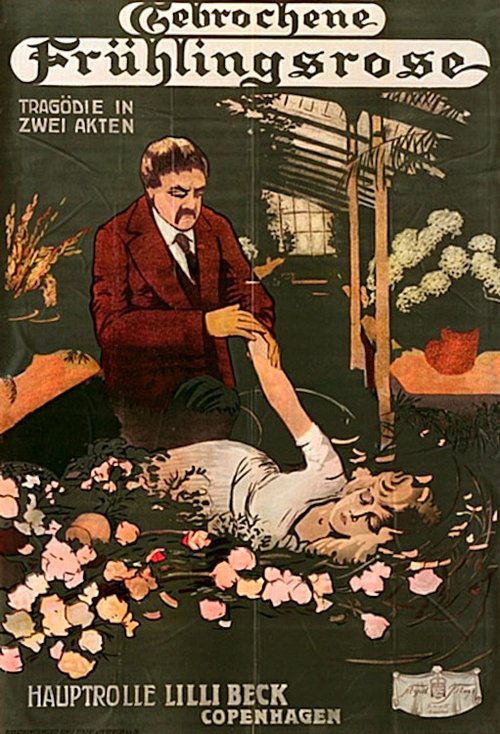
1912
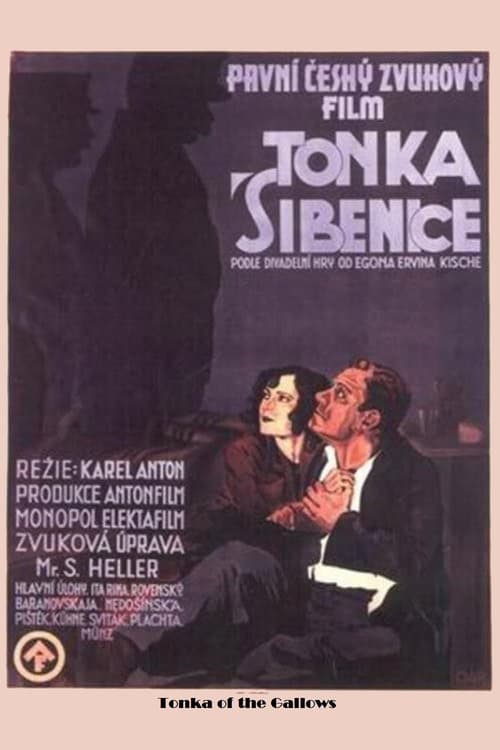
1930
No reviews yet. Be the first to share your thoughts on this movie!
Use the rating form above to leave a star rating and optional review.