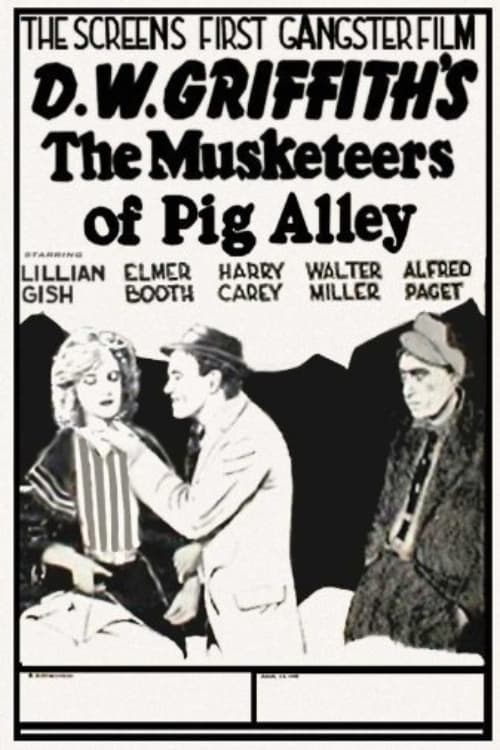
The Musketeers of Pig Alley
1912
No user ratings available yet
Representation score: 2.1 out of 10
Representation Score
Minimal
1908
Director
D.W. Griffith
Runtime
9 minutes
Average Rating
No ratings yetNew Showbiz Analysis
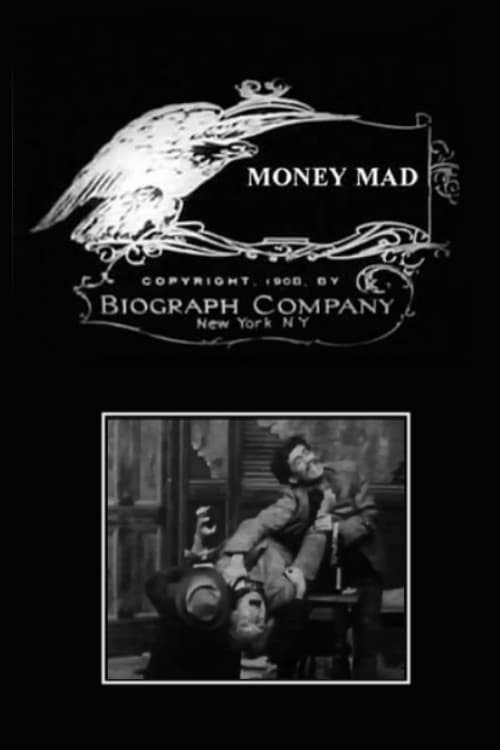
Money Mad is a conventional early crime melodrama that prioritizes moralistic storytelling over social complexity. The plot centers on a singular character study of avarice, focusing on an old miser and a group of thugs. Since the film relies on traditional archetypes of greed and criminality, it lacks exploration of diverse identities or subversion of social hierarchies. The representation is limited to the homogeneous standards of the early 20th century. Ultimately, the film serves as a moral fable about individual failings rather than a deconstruction of broader cultural or systemic issues.
Category Breakdown
The film does not include any characters with LGBTQ identities. The story focuses on a character study of greed, which does not explore queer themes.
The story centers on a male miser and male antagonists. This emphasis on masculine archetypes of criminality reinforces traditional gender roles.
There is no indication of a diverse cast or non-Anglo-Saxon characters. The work reflects the homogeneous casting standards typical of the early silent era.
The film functions as a moral fable regarding the corruptive nature of wealth. It critiques individual avarice rather than offering a systemic critique of social structures.
The narrative provides no evidence of characters with visible or invisible disabilities.
Present on Screen
Limited or Absent
Official Synopsis
The central figure is an old miser, a Harpagon of sorts, who, like Frosine, stashes his ill-gotten money in a secret cellar. While the miser is at the bank, exchanging stolen notes for gold coin, a couple of thugs witness the transaction and see their opportunity-- It seems avarice grips the hearts of all those who'd possess the bag.
1912
1924

1927
1983
1947
1911
1931
1937
No reviews yet. Be the first to share your thoughts on this movie!
Use the rating form above to leave a star rating and optional review.