The Five Pennies
1959
No user ratings available yet
Diversity score: 2.3 out of 10
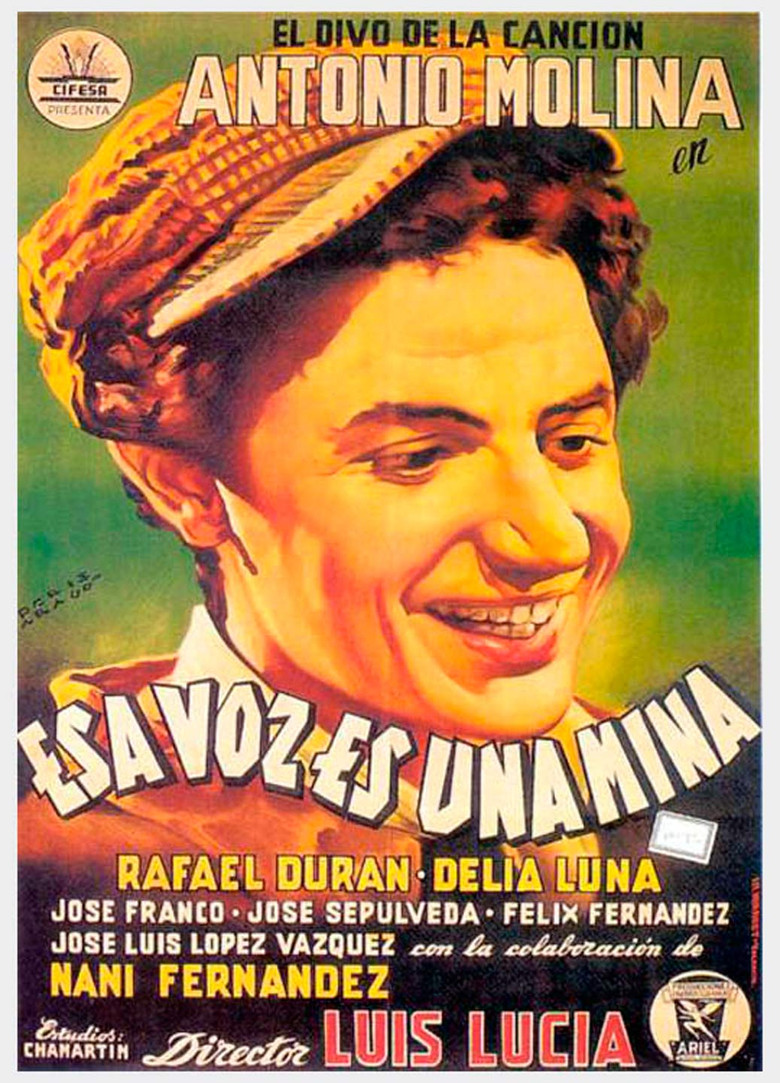
1956
Director
Luis Lucia
Runtime
85 minutes
Average Rating
No ratings yetSynopsis
A young miner, married to a lovely woman crippled, lives happily proving to have a wonderful singing voice while hauling trucks in the mine. One day, to hear a clever promoter, gets its hands on an interesting contract to sing in the most cosmopolitan nightclubs, waking him good prospects for a revenue amazement while he meets another woman who might get put endanger their marriage.
Overall Score
Limited
Category Breakdown
LGBTQ+ Representation
The film adheres to a conventional heteronormative structure. The central conflict revolves around a traditional marital triangle, offering no evidence of non-cisnormative identities or same-sex intimacy.
Gender Representation
Gender roles follow traditional hierarchies. The male protagonist drives the narrative through professional ambition, while female characters serve primarily as emotional anchors or catalysts for his moral choices.
Racial & Ethnic Diversity
The production reflects a homogeneous social environment typical of mid-century Spanish cinema. There is no indication of diverse ethnic backgrounds or race-bent casting within the setting.
Religious & Cultural Diversity
The story operates within mid-century social values, focusing on upward mobility and marital stability. It prioritizes the preservation of the family unit over social rebellion.
Disability Representation
A character is depicted as a crippled wife, which serves as a narrative element of struggle. This portrayal risks using disability as a melodramatic tool to heighten emotional stakes.
Strengths
Areas for Improvement
AI Analysis
Esa voz es una mina is a product of its historical era, functioning as a traditional melodrama that reinforces the social hierarchies of 1950s Spain. The narrative focuses on male agency and the pursuit of commercial success, leaving little room for diverse perspectives. The film relies on established tropes, particularly regarding gender and disability. While it includes a character with a physical impairment, the role appears designed to facilitate the protagonist's emotional journey rather than offering a nuanced look at disability itself. Ultimately, the work maintains the cultural status quo of its time, emphasizing traditional family structures and conventional romantic models without challenging the prevailing social order.
1959
1949
1955
1938
1952
1946

1936
1959
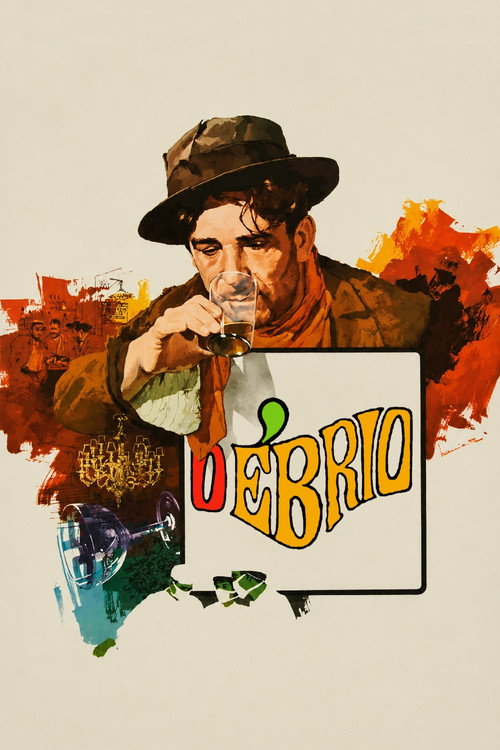
1946
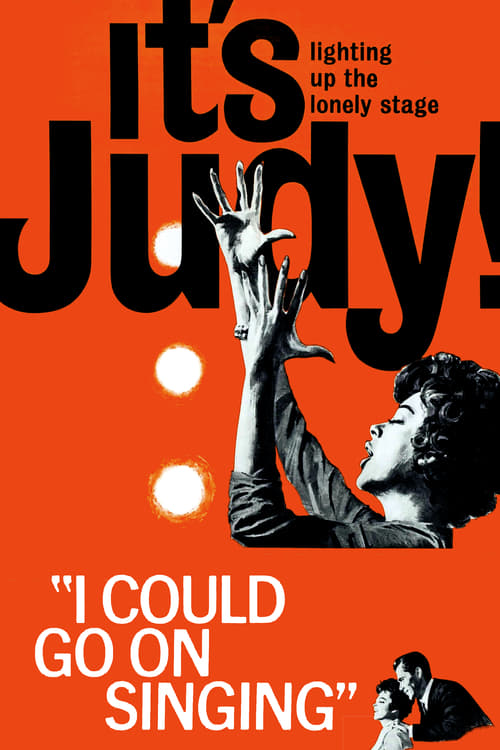
1963
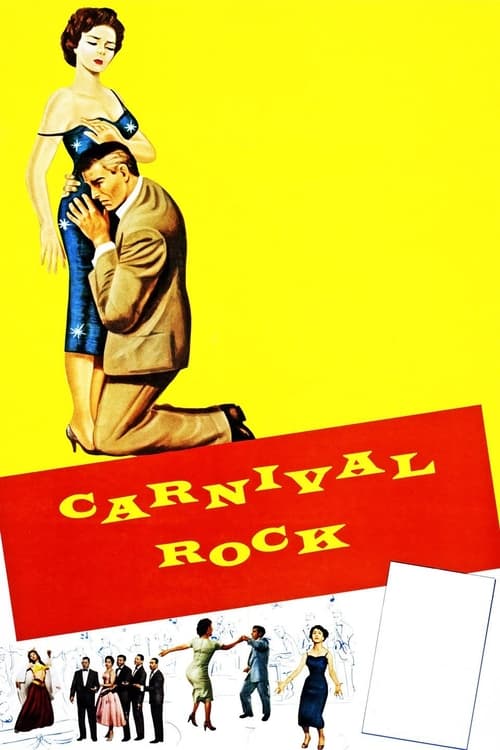
1957
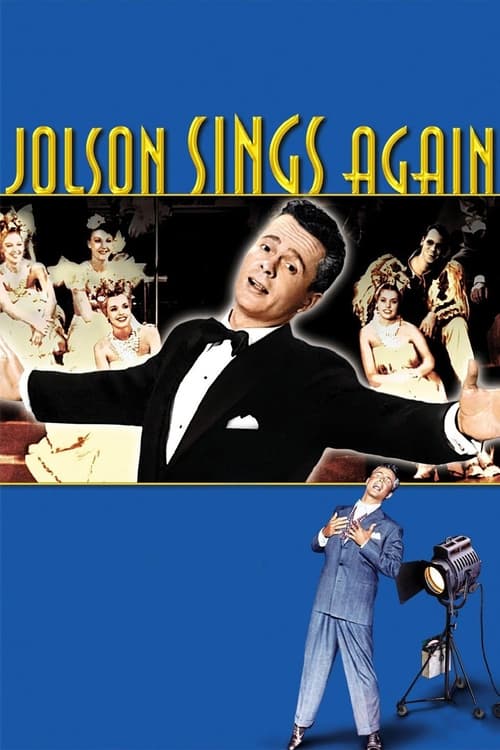
1949
No reviews yet. Be the first to share your thoughts on this movie!
Use the rating form above to leave a star rating and optional review.