
Always in My Heart
1942
No user ratings available yet
Representation score: 1.1 out of 10
Representation Score
Fair
1946
Director
Gilda de Abreu
Runtime
125 minutes
Average Rating
No ratings yetNew Showbiz Analysis
The film marks a significant achievement for female authorship in Latin American cinema. Gilda de Abreu’s role as the first female director of a Brazilian sound film disrupts the era's male-dominated hierarchy. However, the narrative itself remains deeply traditional. The story utilizes standard melodramatic structures, focusing on themes of betrayal, religious influence, and substance dependency common to the 1940s. There is a clear tension between the progressive nature of the production's leadership and the conventional, conservative storytelling found within the script.
Category Breakdown
The film does not include any LGBTQ+ characters or narratives. The storyline revolves around personal tragedy and betrayal.
Gilda de Abreu’s direction provides a significant role in driving the story for women. However, the plot relies on conventional clichés of domestic betrayal and male suffering.
The film is a cornerstone of Brazilian cinema but lacks specific details on diverse casting. It likely adheres to the conventional casting norms of the 1940s.
The narrative engages with the Roman Catholic Church and traditional Western institutions. It focuses on individual moral struggles rather than critiquing systemic social orders.
The plot centers on alcohol dependency and substance abuse. It remains unclear if this is handled with nuance or used as a stereotypical melodramatic device.
Present on Screen
Limited or Absent
Official Synopsis
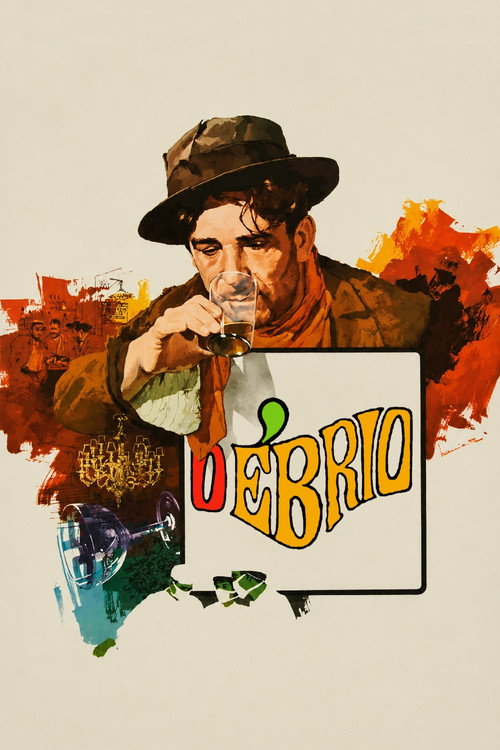
A good-hearted man, betrayed by his wife and friends, fakes his death and takes up a new identity, as a nameless, wandering drunkard.
1942

1962

1936

1948

1947
1959
1946

1938
No reviews yet. Be the first to share your thoughts on this movie!
Use the rating form above to leave a star rating and optional review.