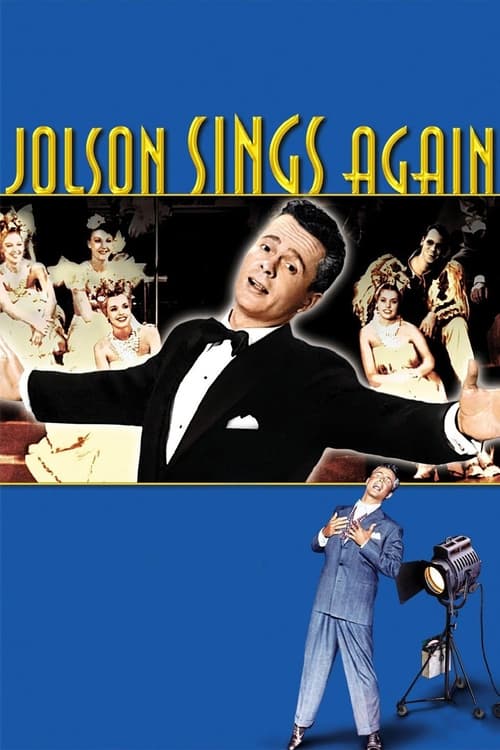
Jolson Sings Again
1949
No user ratings available yet
Diversity score: 2.1 out of 10

1963
NRDirector
Ronald Neame
Runtime
99 minutes
Average Rating
No ratings yetSynopsis
Jenny Bowman is a successful singer who, while on an engagement at the London Palladium, visits David Donne to see her son Matt again, spending a few glorious days with him while his father is away in Rome in an attempt to attain the family that she never had. When David returns, Matt is torn between his loyalty to his father and his affection for Jenny.
Overall Score
Minimal
Category Breakdown
LGBTQ+ Representation
The film adheres strictly to the heteronormative social frameworks of the early 1960s. It lacks any depiction of non-cisnormative identities or same-sex intimacy.
Gender Representation
Jenny Bowman is a successful professional singer, yet her narrative is largely defined by her relationships with men. The film relies on traditional gender roles and maternal connections.
Racial & Ethnic Diversity
The cast is highly homogeneous, reflecting the demographic norms of the 1963 British music industry. There is no evidence of racial blending or non-Anglo-Saxon characters.
Religious & Cultural Diversity
The story operates within a conventional Western framework, emphasizing middle-to-upper-class stability. It reinforces the social cohesion and moral standards of mid-century British cinema.
Disability Representation
There are no visible or invisible disabilities portrayed in the narrative. Characters are presented through a lens of able-bodied normativity.
Strengths
Areas for Improvement
AI Analysis
I Could Go on Singing is a quintessential product of its era, functioning as a conventional musical drama that reinforces the social and demographic status quo of the early 1960s. The narrative architecture lacks the intentionality required to disrupt traditional hierarchies or introduce intersectional perspectives. The film's focus on established social norms and a homogeneous cast results in a very low diversity score. It prioritizes traditional romantic and familial dynamics over any meaningful social subversion. Ultimately, the work serves as a reflection of the prevailing cultural structures of 1963 rather than a challenge to them.
1949
1946
1961
1964
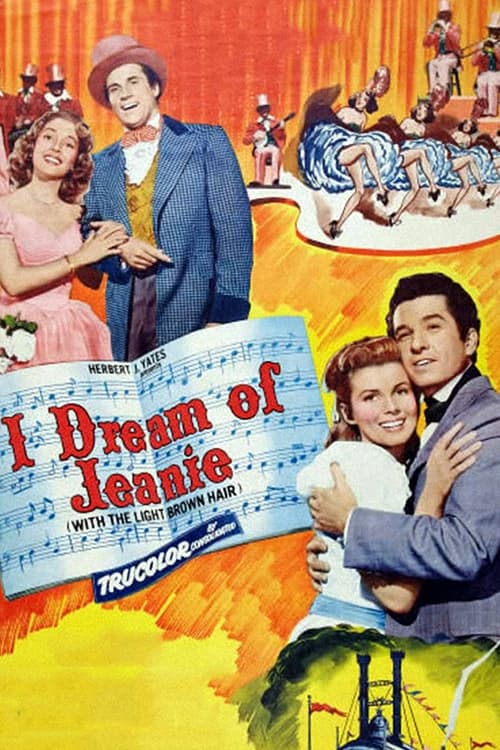
1952

1957
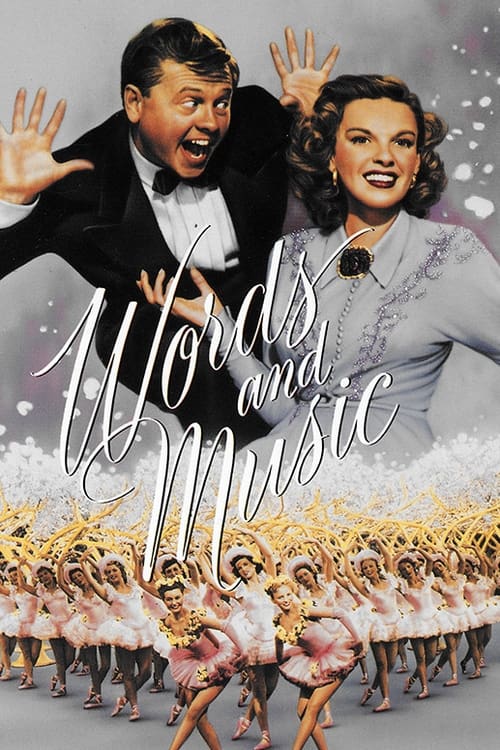
1948
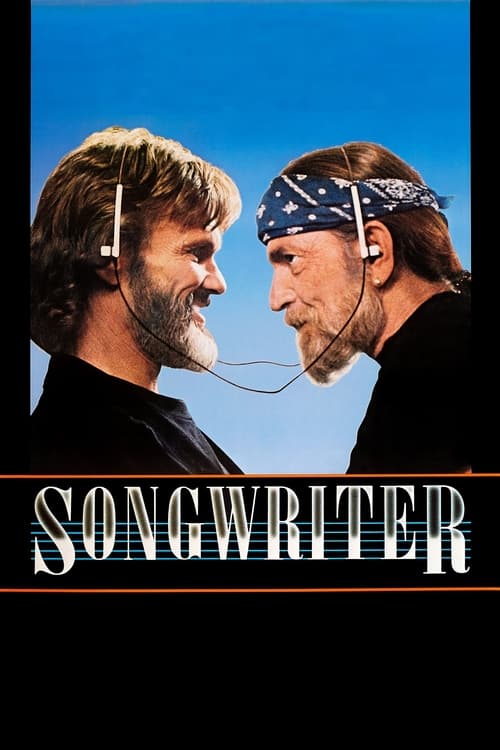
1984
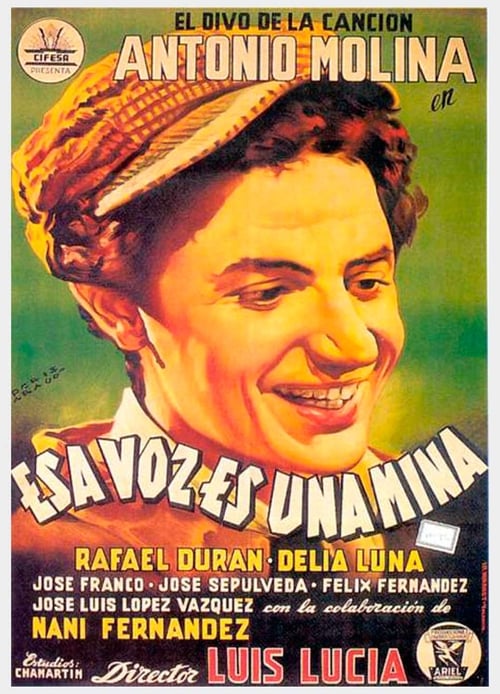
1956

2006

1959
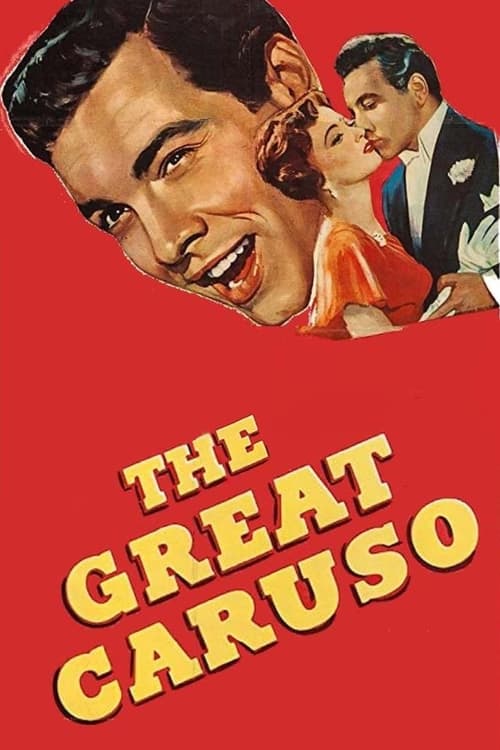
1951
No reviews yet. Be the first to share your thoughts on this movie!
Use the rating form above to leave a star rating and optional review.