
The Singing Kid
1936
No user ratings available yet
Representation score: 1.6 out of 10
Representation Score
Limited
1938
ApprovedDirector
Lambert Hillyer
Runtime
72 minutes
Average Rating
No ratings yetNew Showbiz Analysis
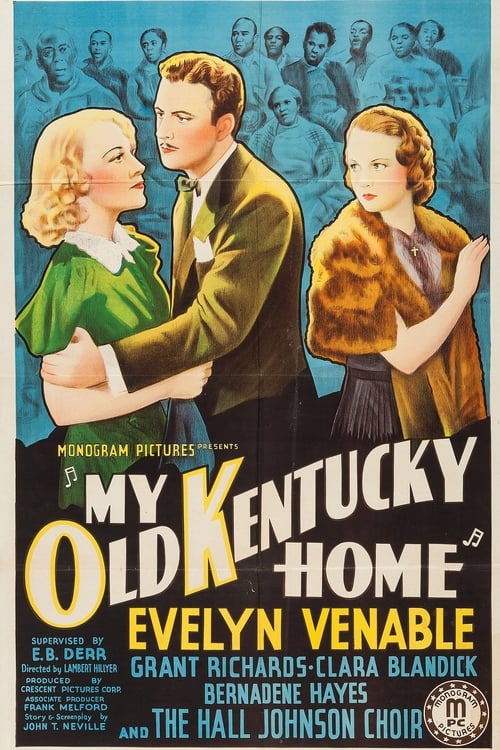
My Old Kentucky Home is a period melodrama deeply rooted in the social hierarchies of the 1930s. While it features a significant Black presence through the Hall Johnson Choir, the story remains embedded in the racial and cultural stratification of the Antebellum South. The film uses disability and gender roles as functional plot devices. Blindness drives the protagonist's internal conflict, and women act as emotional catalysts within traditional romantic clichés rather than challenging established gender hierarchies. Ultimately, the film navigates existing power dynamics without attempting to deconstruct them, adhering strictly to the moral and social frameworks of its era.
Category Breakdown
The film does not include any identifiable LGBTQ+ characters or non-cisgender identities. Its narrative structure is based entirely on traditional heterosexual relationships.
Female characters serve as the emotional center and drivers of romantic conflict. However, they operate within 1930s archetypes, often functioning as objects of pursuit or catalysts for male decisions.
The Hall Johnson Choir provides a significant Black presence. While the film explores interracial dynamics, it reinforces the racial stratification and hierarchies of the Antebellum South.
The film upholds traditional Southern social orders and the plantation system. It presents the existing social hierarchy as the established moral and cultural baseline for the characters.
The protagonist's temporary blindness serves as a central narrative device for romantic tension. It functions primarily as a plot mechanism rather than a nuanced exploration of lived experience.
Present on Screen
Limited or Absent
Official Synopsis
Larry is engaged to Lisbeth Blair but he becomes attentive to Gail, a singer, and is injured in an accident in her apartment. He is slowly going blind and decides that he shouldn't marry Lisbeth. A surgeon restores his sight and he and Lisbeth reconcile to the strains of "My Old Kentucky Home" sung by the Hall Johnson Choir.
1936
1965
1952
1959
1949
1939
1944
1950
No reviews yet. Be the first to share your thoughts on this movie!
Use the rating form above to leave a star rating and optional review.