
Mother
2003
No user ratings available yet
Representation score: 2.4 out of 10
Representation Score
Fair
1986
Director
Ingmar Bergman
Runtime
14 minutes
Average Rating
No ratings yetNew Showbiz Analysis
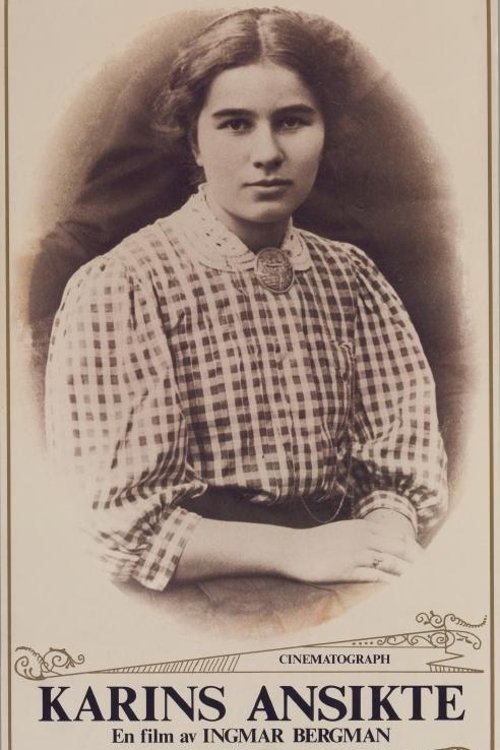
Karin's Face is a deeply personal, chronological montage of Ingmar Bergman's mother. It serves as a psychological study of a single individual rather than a broad social survey. The film excels in its focus on female identity, offering a nuanced look at a woman's development independent of male-centric stories. However, its biographical nature leads to a lack of racial and LGBTQ+ diversity. Ultimately, the work prioritizes existential depth over demographic breadth, presenting a subjective portrait that steers clear of traditional institutional narratives.
Category Breakdown
The film does not include explicit LGBTQ+ characters or non-straight relationships. However, it focuses on a woman's internal experience, which may subtly challenge traditional patriarchal views.
The film centers entirely on the life and growth of a woman named Karin. By focusing solely on her, it breaks away from the typical practice of relegating women to supporting roles.
This biographical documentary focuses on a specific European family history. The visuals show a homogeneous demographic with no indication of racial diversity or varied casting.
The contemplative imagery and piano music create a secular, introspective atmosphere. It emphasizes personal, existential themes over larger religious or nationalistic narratives.
There is no mention of physical or neurodivergent disabilities in the film. Any depiction of such conditions would be incidental to the photographic elements.
Present on Screen
Limited or Absent
Official Synopsis
This short film assembles still photographs from Ingmar Bergman’s personal family albums, concentrating on portraits of his mother, Karin, from childhood through adulthood. The images are arranged in chronological order and set to a piano score by Käbi Laretei, with no spoken narration.
2003
2008
1998
1978
1984

2006
2002
1991
No reviews yet. Be the first to share your thoughts on this movie!
Use the rating form above to leave a star rating and optional review.