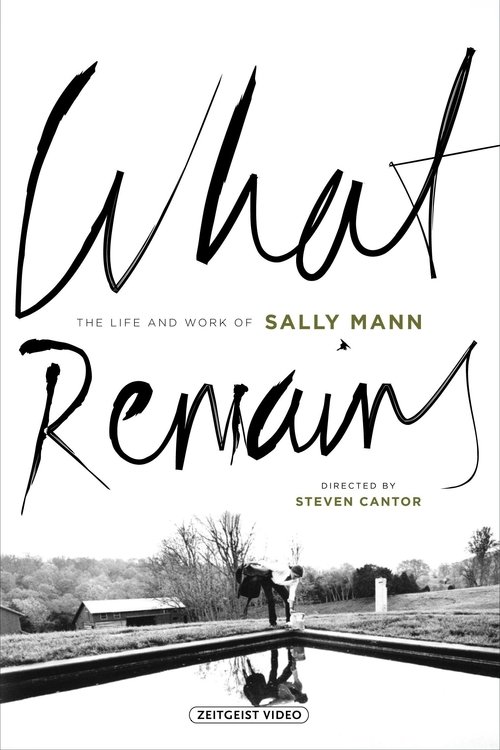
What Remains
2005
No user ratings available yet
Representation score: 4.8 out of 10

Representation Score
Fair
1994
Not RatedDirector
Steven Cantor, Peter Spirer
Runtime
30 minutes
Average Rating
No ratings yetNew Showbiz Analysis
Blood Ties: The Life and Work of Sally Mann is an intellectual exploration of modern subjectivity rather than a broad demographic survey. It successfully highlights female professional empowerment and challenges established social norms through the lens of fine art. However, the film focuses narrowly on a specific white family in the American South. This limits its representation of diverse identities and experiences, resulting in lower scores for LGBTQ+ and racial diversity. Ultimately, the documentary's strength lies in its questioning of traditional social norms and its examination of the societal gaze, even if it lacks broad demographic variety.
Category Breakdown
The film does not focus on LGBTQ+ identities or non-traditional gender expressions. It does not depict same-sex relationships or queer-coded stories.
The documentary highlights the role of a woman who balances motherhood with a provocative career. It portrays her as a strong, intellectually driven artist.
The subjects are mainly white, reflecting Sally Mann's life in the American South. The film does not show a mix of different races.
The film explores themes of moral relativism and questions traditional Western social norms. It challenges conventional views on childhood, nudity, and parental authority.
There is no significant depiction of visible or invisible disabilities in the film.
Present on Screen
Limited or Absent
Official Synopsis
An intimate portrait of the photographer and the complex, enigmatic pictures she takes of her children.
2005
1978

2005
2008

2007

2014
2017

2010
No reviews yet. Be the first to share your thoughts on this movie!
Use the rating form above to leave a star rating and optional review.