
Crespo (La continuidad de la memoria)
2016
No user ratings available yet
Representation score: 5.4 out of 10
Representation Score
Limited
2016
Director
Eric Pauwels
Runtime
75 minutes
Average Rating
No ratings yetNew Showbiz Analysis
The Second Night is a deeply personal documentary that prioritizes individual subjectivity over broad demographic representation. By positioning the mother as a central figure, it challenges traditional familial roles. However, the film lacks visible representation across several categories. There is no information about racial, ethnic, or disability-related diversity, and the narrative does not engage with LGBTQ+ identities. Ultimately, the film's diversity lies in its philosophical approach, which emphasizes personal ability to act and the deconstruction of established legacies.
Category Breakdown
The film does not include any explicit LGBTQ+ characters or non-straight identities. Its focus on the filmmaker's relationship with his mother leaves queer representation neutral.
The mother is portrayed as the primary driver of the filmmaker's independence. This shifts the traditional focus away from patriarchal hierarchies, highlighting the mother's role beyond typical domestic duties.
Insufficient information is available about the racial or ethnic makeup of the cast. The documentary centers on the filmmaker's family experience rather than broader demographic representation.
The film emphasizes individualistic thinking and secularism over religious structures. It prioritizes personal perception and the dismantling of traditional legacies over institutional dogma.
The film does not depict any characters dealing with physical, neurodivergent, or mental health disabilities. The narrative focuses on the filmmaker's internal psychological journey.
Present on Screen
Limited or Absent
Official Synopsis
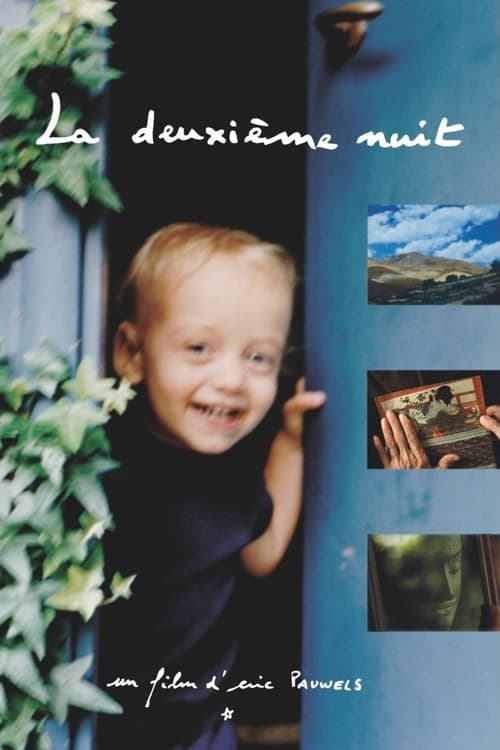
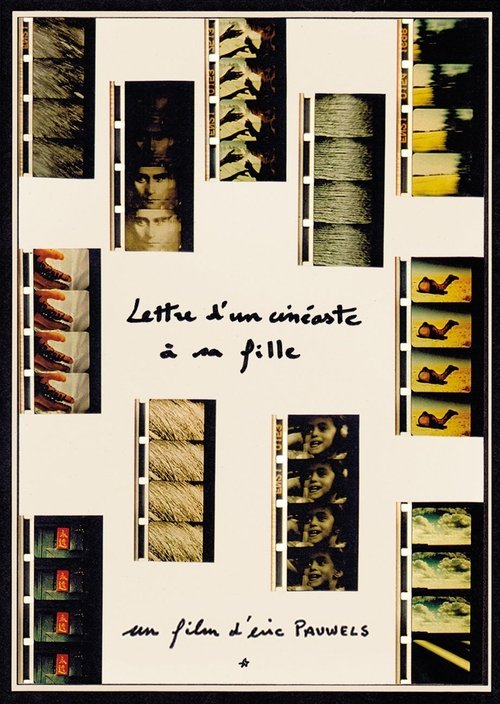
On the death of his mother, a filmmaker makes a film to see how much her disappearance has changed his vision of the world. It is an opportunity for him to look back over his relationship with her: a relationship that made him a free individual, as a man and as a filmmaker. The second night is the final part of a trilogy that began with Letter from a filmmaker to his daughter, which was followed by Dreaming films. The making of this " Cabin Trilogy" is the fruit of fifteen years of work and reflection.
2016
2023
2000
2008

2016

2018
2001

2020
No reviews yet. Be the first to share your thoughts on this movie!
Use the rating form above to leave a star rating and optional review.