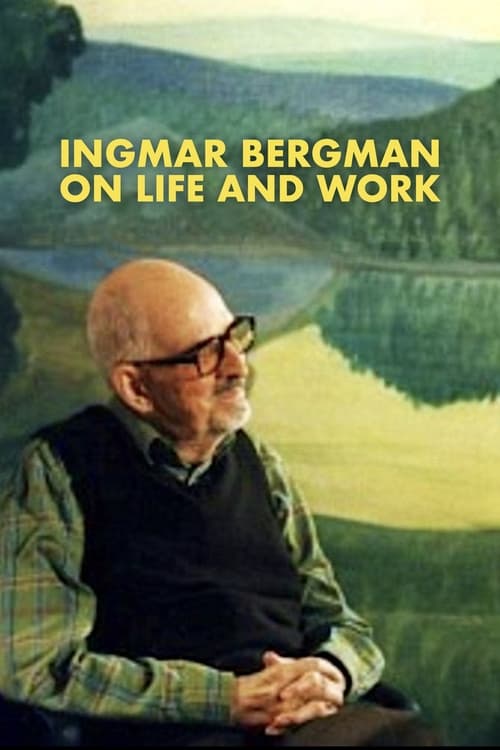
Ingmar Bergman on Life and Work
1998
No user ratings available yet
Representation score: 5.0 out of 10
Representation Score
Good
1984
Not RatedDirector
Ingmar Bergman
Runtime
110 minutes
Average Rating
No ratings yetNew Showbiz Analysis
The documentary offers a sophisticated critique of institutional power, particularly regarding religious and patriarchal structures. It elevates emotional truth over rigid dogma, providing deep cultural substance despite a lack of demographic variety. However, the film is limited by its historical and geographical specificity. The cast and crew remain largely homogeneous, and there is a notable absence of LGBTQ+ representation or diverse racial backgrounds. Ultimately, the work functions as a study of psychological depth and systemic critique rather than a showcase for demographic diversity.
Category Breakdown
The documentary focuses on the technical and performative aspects of production. There is no explicit depiction of non-straight relationships or same-sex intimacy within the captured rehearsals.
The footage highlights the intellectual and emotional labor of the female cast. Women demonstrate significant psychological strength and play a leading role in driving the story while navigating complex emotional landscapes during rehearsals.
The cast and crew are predominantly homogeneous, reflecting the historical and geographical context of Sweden. There is no evidence of intentional efforts to diversify the setting.
The film excels in its critique of rigid religious dogma and oppressive institutional authority. It prioritizes subjective artistic experience over the absolute morality of the Lutheran Church.
The film captures the intense psychological vulnerability of the actors. It provides a window into the mental toll of performing traumatic scenes and psychological endurance.
Present on Screen
Limited or Absent
Official Synopsis
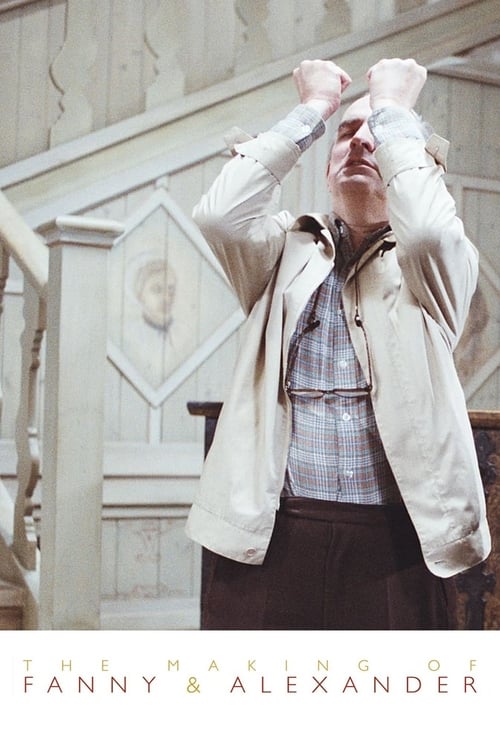
Shot during the making of Fanny and Alexander, this feature-length documentary presents extended behind-the-scenes material from rehearsals and filming sessions, with Bergman at work staging scenes and directing performances. The film focuses on the practical process of production, including collaboration with the principal cast and key crew members such as cinematographer Sven Nykvist and on-set documentarian Arne Carlsson.
1998

2008

1963
2003
2002
2018
1986
2013
No reviews yet. Be the first to share your thoughts on this movie!
Use the rating form above to leave a star rating and optional review.