Little Stabs at Happiness
1963
No user ratings available yet
Representation score: 4.5 out of 10
Representation Score
Good
1963
Director
Ken Jacobs
Runtime
33 minutes
Average Rating
No ratings yetNew Showbiz Analysis
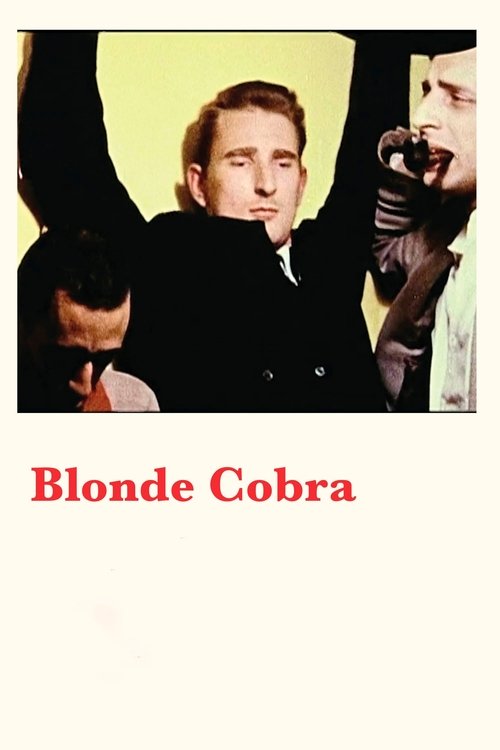
Ken Jacobs' *Blonde Cobra* is a radical piece of formalist cinema that prioritizes subjective experience over traditional narrative. It dismantles social and moral hierarchies, particularly through its subversive treatment of religious and gendered structures. The film's strength lies in its transgressive identity exploration and its critique of institutional truth. However, its Eurocentric focus limits its inclusivity.
Category Breakdown
The film features the surreal character of Madame Nescience, whose vision of a convent dedicated to sexual perversion challenges traditional expectations.
Gender roles are examined through fragmented archetypes and the performance of persona. The film emphasizes psychological states over traditional masculine or feminine roles.
The work appears to operate within a highly stylized, Eurocentric avant-garde tradition. There is no explicit evidence of a diverse racial cast or non-Anglo-Saxon perspectives.
The narrative deconstructs religious sanctity by presenting a Mother Superior within a context of sexual perversion, reflecting a strong anti-establishment stance.
The film explores themes of loneliness and psychological despair but does not include characters with disabilities.
Present on Screen
Limited or Absent
Official Synopsis
A man fondles objects, looks at himself in the mirror, poses in different clothes, smiles and makes faces at the camera while his voice on the soundtrack speaks of his despair, makes impressionistic statements and little songs, quotes Greta Garbo and Maria Montez, tells the story of a lonely little boy and tells the story of a woman named Madame Nescience who dreams of herself as the Mother Superior of a convent of sexual perversion.
1963
1967

1963
1973
1963
1993

1967

2000
No reviews yet. Be the first to share your thoughts on this movie!
Use the rating form above to leave a star rating and optional review.