Scotch Tape
1963
No user ratings available yet
Representation score: 5.7 out of 10
Representation Score
Fair
1963
Director
Ken Jacobs
Runtime
15 minutes
Average Rating
No ratings yetNew Showbiz Analysis
Ken Jacobs' collection functions as a formalist exercise rather than a vehicle for identity-based storytelling. Its progressive value lies in its disruption of traditional cinematic norms and the rejection of cohesive, ordered reality. By eschewing conventional narrative structures, the film provides a subtle critique of the rigid social hierarchies prevalent in the early 1960s. However, it lacks the specific markers of multi-layered casting and explicit representation required for a higher score. Ultimately, the work's strength is architectural rather than character-driven, challenging mainstream media standards through its structural defiance.
Category Breakdown
The silent, experimental footage lacks documented depictions of queer intimacy or non-binary gender identities. Although the avant-garde framework may disrupt the assumption that everyone is straight or cisgender, there is no specific evidence of identity-driven narratives.
The collection offers a fragmented view of human experience through its jaunty and somber shorts. While no active misogyny is evident, the lack of developed female roles prevents a higher score.
There is no evidence of a non-white majority cast or intentional casting of actors from diverse backgrounds. The work likely reflects the visual constraints of the early 1960s without providing active characters who reflect more than one aspect of diversity.
The film shows progressive potential by rejecting singular cinematic morality through its contrasting tones. Its experimental format critiques traditional Western storytelling structures like linear causality and the hero's journey.
There is no documented evidence regarding the portrayal of neurodivergence or physical disabilities within these shorts.
Present on Screen
Limited or Absent
Official Synopsis
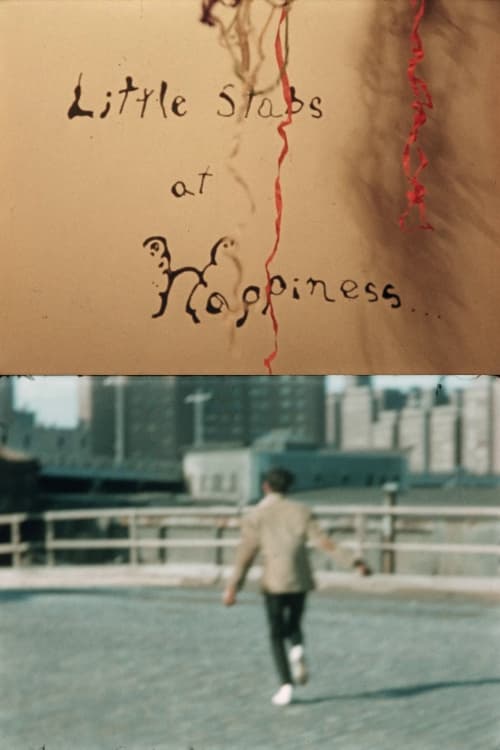
Little Stabs at Happiness is a collection of silent shorts Jacobs shot from the period of 1959-1963. Jaunty tunes (and a somber reflection) accompany the footage.
1963

2007
1963
1969

1960
1964
1964
1965
No reviews yet. Be the first to share your thoughts on this movie!
Use the rating form above to leave a star rating and optional review.