For Marilyn
1992
No user ratings available yet
Representation score: 1.4 out of 10
Representation Score
Minimal
1966
Director
Gregory J. Markopoulos
Runtime
6 minutes
Average Rating
No ratings yetNew Showbiz Analysis
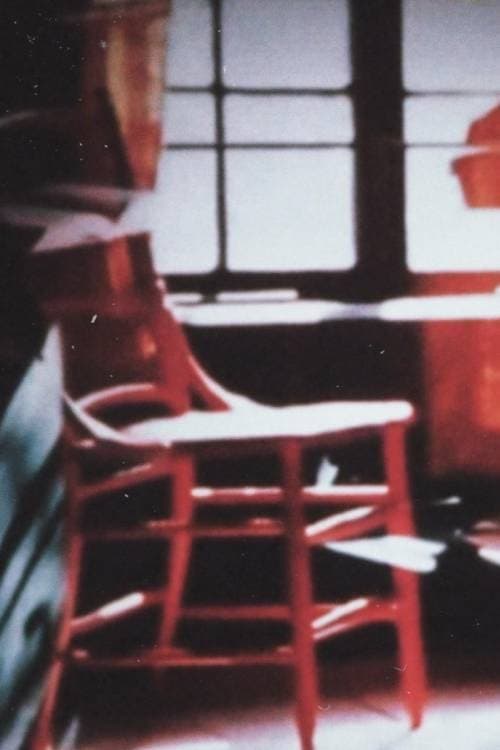
Ming Green is a work of pure formalist abstraction that prioritizes the materiality of film over social representation. Shot without a predefined scenario and edited in-camera, it lacks the characters, dialogue, and interpersonal conflicts necessary for traditional sociological analysis. Though the film scores low on standard metrics due to the absence of human subjects, it serves as a radical disruption of mid-1960s cinematic expectations. It shifts away from standardized storytelling toward a non-linear, sensory mode of expression. The work's significance lies in its rejection of mainstream Hollywood hierarchies and its commitment to deconstructing cinematic language.
Category Breakdown
The film does not include any identifiable LGBTQ characters or explore themes related to gender identity. Its focus on abstract spaces prevents any interpersonal romantic or identity-based stories.
There are no characters in the film to explore gender roles or hierarchies. The work operates outside traditional social dramas, providing no evidence of gender roles or dynamics.
This abstract portrayal of an apartment does not involve any characters or narratives that explore racial dynamics. It does not provide any information to assess ethnic representation.
The film challenges traditional Western cinematic structures by avoiding dialogue and plot. It disrupts mainstream storytelling norms through a subjective, sensory approach.
The abstract exploration of color and space does not depict any disabilities or neurodivergence. There are no human subjects present to represent physical health or disabilities.
Present on Screen
Limited or Absent
Official Synopsis
This portrait of the filmmaker's apartment, painted in the color of the title, was made a few months before his departure from New York. It is dedicated to the filmmaker Stan Brakhage and was shot without a scenario and edited entirely in the camera.
1992
1965
1960
1996
1963
1993
1964
1971
No reviews yet. Be the first to share your thoughts on this movie!
Use the rating form above to leave a star rating and optional review.