The Most Wonderful Moment
1957
No user ratings available yet
Representation score: 3.3 out of 10
Representation Score
Minimal
2011
NRDirector
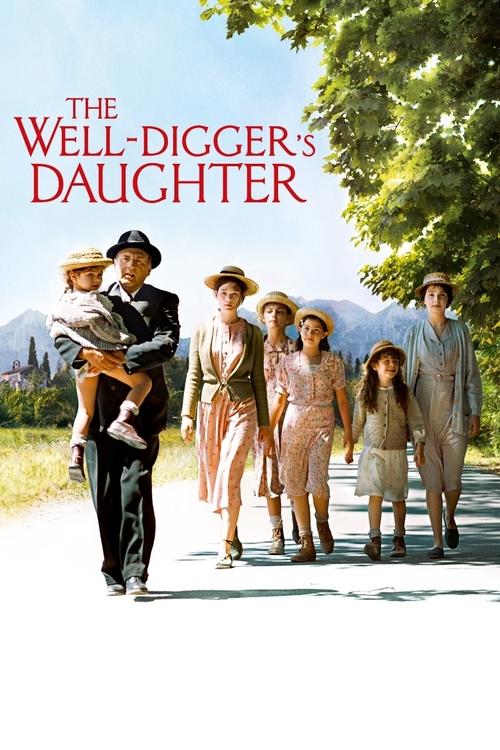
Daniel Auteuil
Runtime
107 minutes
Average Rating
No ratings yetNew Showbiz Analysis
The film is a classical period drama that prioritizes historical realism and character-driven storytelling over contemporary characters who reflect more than one aspect of diversity. It operates within the established social hierarchies of the early 20th-century French countryside. While the female protagonist is depicted with significant moral strength, the narrative relies on traditional clichés, such as the consequences of an out-of-wedlock pregnancy. The male characters maintain standard roles of provider and suitor, upholding a conventional power dynamic. Ultimately, the work does not aim to disrupt social or cultural norms and instead focuses on a localized study of domestic life and individual character during the onset of war.
Category Breakdown
The film follows a traditional romantic storyline focused on heterosexual relationships. There is no indication of queer subtext or non-conforming gender identities within the plot.
Patricia is shown to play a significant role in driving the story and displaying internal strength. However, the narrative sticks to conventional period roles and traditional gender power dynamics.
The setting reflects the demographic homogeneity of the French countryside during WWII. The cast and social environment appear predominantly Anglo-European.
The story highlights localized social structures and family bonds. It adheres to a classic dramatic structure without challenging Western institutions like religion.
There are no visible or invisible disabilities portrayed as central to the narrative or character development.
Present on Screen
Limited or Absent
Official Synopsis
It's the beginning of the WWII. South of France. Patricia, 18, is the oldest daughter of a well-digger, Pascal, who considers her a princess because of her moral qualities. She's kind, devoted. One day, she briefly meets a young man, Jacques, the son of Mazel, owner of the shop where her father buy his material. He's handsome and teasing. Her father's friend, Felipe, would love to marry her, and he invites her to an aviation show. She accepts his invitation only because she knows Jacques is a pilot and will be there. Soon, she'll carry his child, and he'll be gone, and the family will have to deal with this out-of-wedlock pregnancy...
1957
1938
1997
2005
1950

1953
1940

1995
No reviews yet. Be the first to share your thoughts on this movie!
Use the rating form above to leave a star rating and optional review.