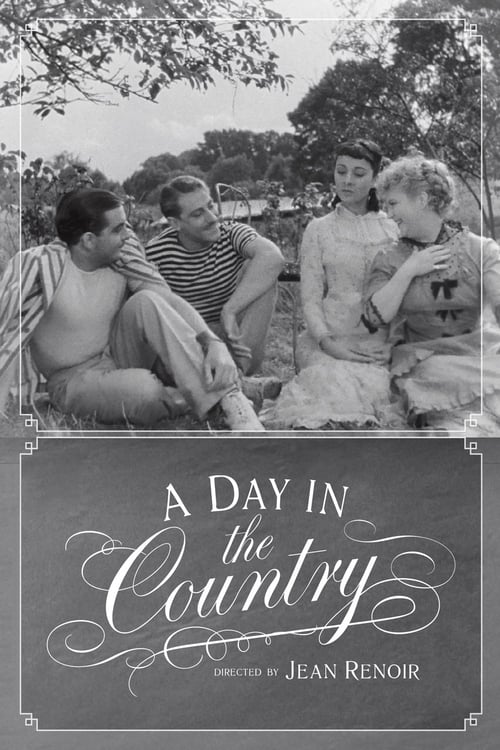
A Day in the Country
1946
No user ratings available yet
Representation score: 4.3 out of 10
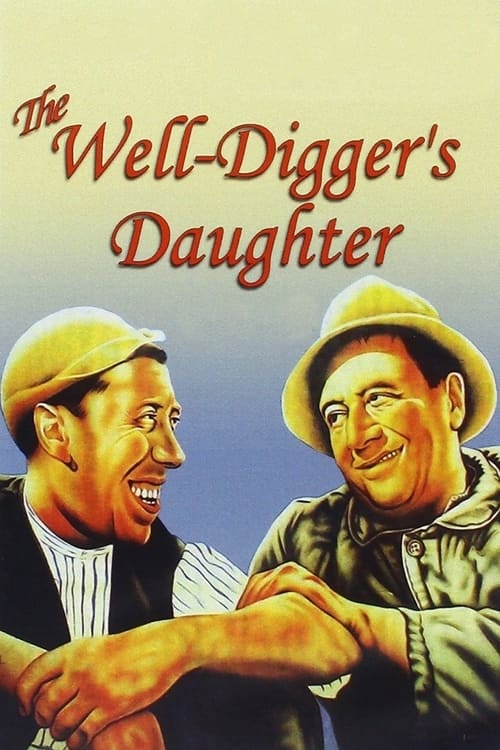
Representation Score
Minimal
1940
NRDirector
Marcel Pagnol
Runtime
142 minutes
Average Rating
No ratings yetNew Showbiz Analysis
Marcel Pagnol’s drama is a deeply regional work that prioritizes interpersonal melodrama within a Mediterranean village. It succeeds in providing character depth by focusing on a woman's internal struggle against social constraints, offering more nuance than typical domestic narratives. However, the film is a product of its 1940s context, lacking any engagement with modern inclusive frameworks or diverse casting. The narrative remains firmly rooted in the demographic and social hierarchies of mid-20th-century France. Ultimately, while the film offers a humanistic look at a woman's ability to act, it lacks representation of LGBTQ+ identities, racial diversity, or disability, resulting in a low overall diversity score.
Category Breakdown
The film follows the romantic and social norms of its 1940s provincial setting. It does not depict any non-straight or non-cisgender identities or narratives that challenge the assumption that everyone is straight.
The story centers on the female protagonist's emotional journey and the consequences of her choices. It explores the tension between her desires and the strict social expectations of a small village.
The cast is primarily made up of actors representing a specific French working-class community. The film aims for an authentic depiction without blending in diverse ethnic backgrounds.
The narrative focuses on provincial life and the conflict between individual actions and community standards. It portrays an established social order centered around the family unit and local customs.
There is no representation of physical, sensory, or neurodivergent disabilities. Characters are defined by their social roles and romantic relationships rather than disability-related narratives.
Present on Screen
Limited or Absent
Official Synopsis
A rural maiden's two suitors go off to war, leaving her pregnant.
1946
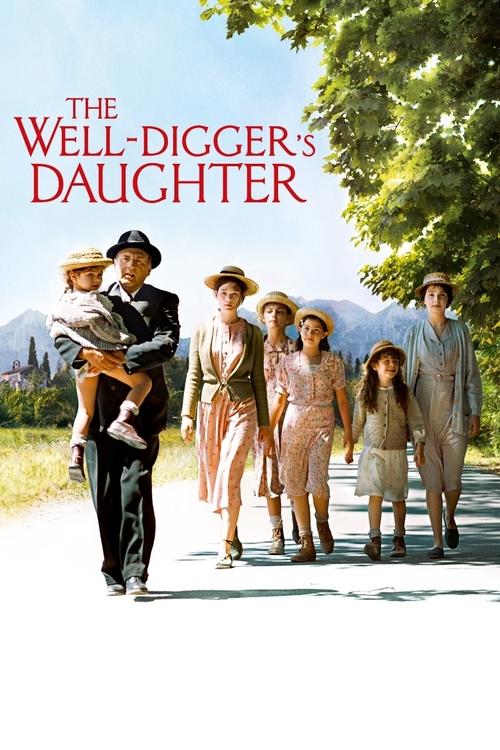
2011

1947
1964
1953
1958
1946
1938
No reviews yet. Be the first to share your thoughts on this movie!
Use the rating form above to leave a star rating and optional review.