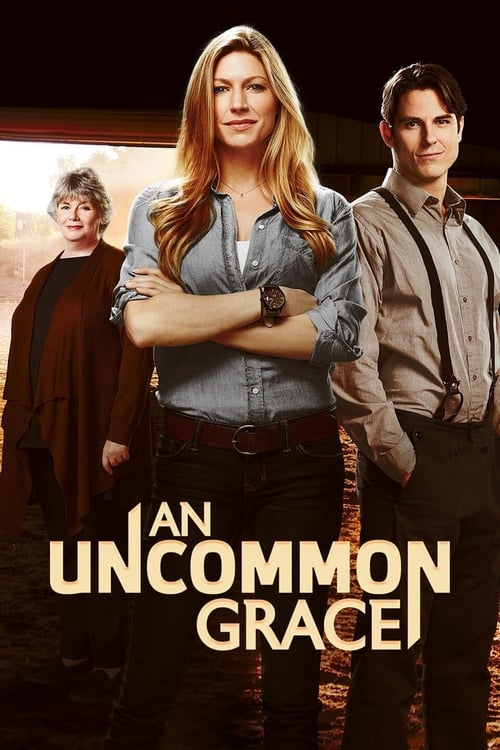
An Uncommon Grace
2017
No user ratings available yet
Representation score: 3.3 out of 10
Representation Score
Minimal
2005
TV-PGDirector
Brent Shields
Runtime
120 minutes
Average Rating
No ratings yetNew Showbiz Analysis
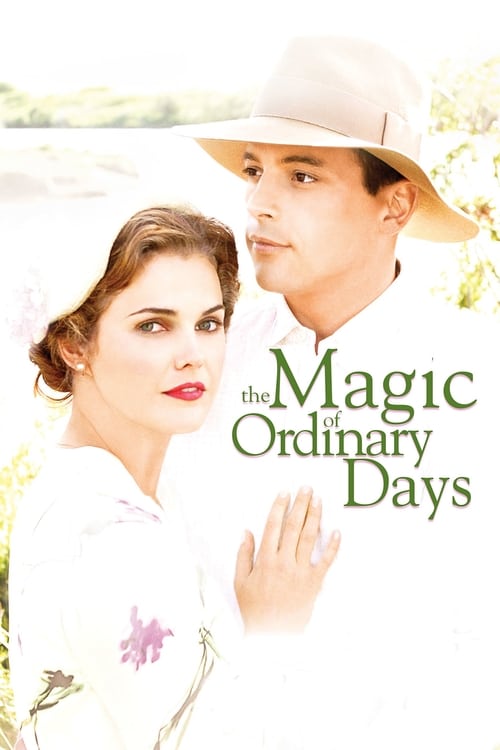
The film operates as a period drama that closely follows the social and moral norms of 1940s rural America. It prioritizes restoring social order and traditional interpersonal relationships over challenging established hierarchies. While the narrative adheres to a classic storytelling structure centered on resilience, it lacks diverse representation. The production reinforces mid-century gender roles and cultural norms without critiquing them. Ultimately, the work presents a portrait of mid-century stability. It relies on conventional formulas and a homogeneous cast, offering little representation outside of a traditionalist, Western framework.
Category Breakdown
The film does not include any LGBTQ+ characters or dynamics that challenge traditional heterosexual relationships. The romantic storyline revolves around a conventional couple within a framework that assumes everyone is straight and cisgender.
The story portrays a traditional gender hierarchy where the female lead's role is limited by patriarchal structures. The plot emphasizes mid-century gender roles through the protagonist's integration into domestic life.
The cast is uniform, focusing on a white, rural setting. There is a noticeable lack of racial or ethnic diversity within the narrative.
The film highlights Western values such as personal responsibility and family stability. Religious elements serve as a stabilizing force rather than a source of conflict.
There is no significant depiction of visible or invisible disabilities. While the film explores emotional trauma, disability is not a central part of any character’s identity.
Present on Screen
Limited or Absent
Official Synopsis
Pregnant out of wedlock, an educated young woman is pressured by her father into an arranged marriage with a lonely farmer in this drama set during WWII.
2017
2011
1993

1995
1996

2003

1995

1953
No reviews yet. Be the first to share your thoughts on this movie!
Use the rating form above to leave a star rating and optional review.