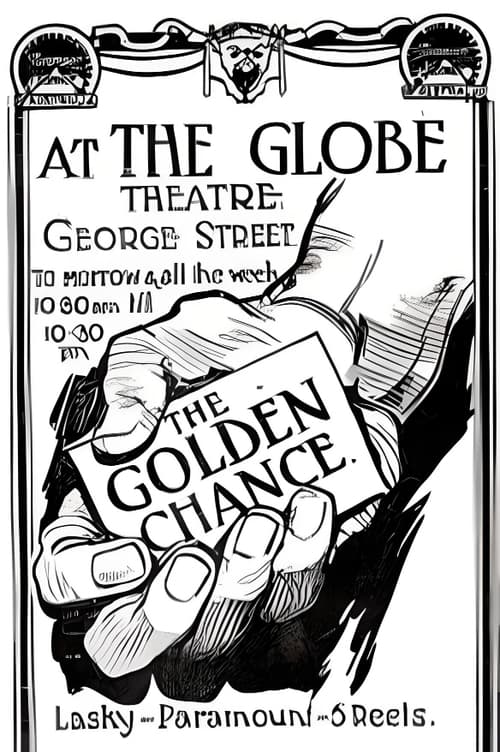
The Golden Chance
1915
No user ratings available yet
Representation score: 1.7 out of 10
Representation Score
Minimal
1921
ApprovedDirector
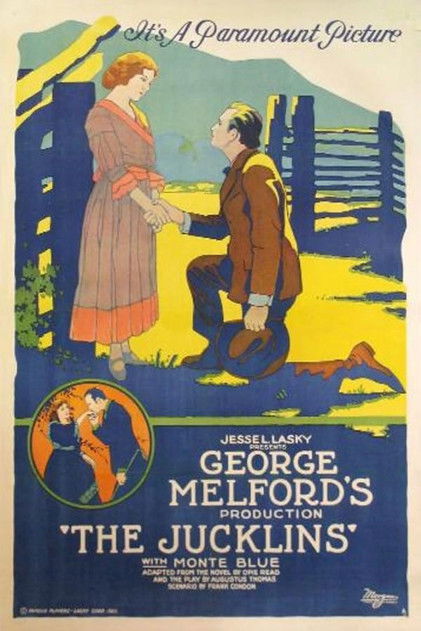
George Melford
Runtime
60 minutes
Average Rating
No ratings yetNew Showbiz Analysis
The Jucklins operates as a traditional silent-era melodrama, using a rags-to-riches formula to address class issues. While the female lead asserts her independence, the film ultimately upholds existing social hierarchies and patriarchal control. The narrative centers on restoring family harmony and validating wealth through individual financial success. It does not question the capitalist systems that govern the characters' lives. Ultimately, the film lacks complexity in addressing multiple aspects of identity and adheres to the conventional norms of the 1920s without challenging the status quo.
Category Breakdown
The film focuses solely on a relationship between heterosexual characters. There are no hints of LGBTQ+ identities or queer themes.
Betty Baylock takes control by going against her father's wishes regarding marriage. However, the story's conclusion hinges on male financial success to legitimize the union.
The cast appears uniform within a Western context. There are no non-white actors or characters of diverse racial backgrounds.
The story emphasizes early 20th-century Western values, focusing on the importance of the family unit and validating wealth. It does not critique institutions or societal structures.
No characters with visible or invisible disabilities are present in the narrative.
Present on Screen
Limited or Absent
Official Synopsis
Pampered debutante Betty Baylock buys a wishing rug from a peddler and wishes for a dark-haired, blue-eyed man, hoping to rid herself of three annoying suitors. However, her wealthy stockbroker father, Robert Baylock, decrees that Betty must choose one of the young men immediately, and she defies him by dismissing them all. Robert's aggravation compounds when Betty falls in love with Jack Grey, who is penniless after squandering a $100,000 fortune. Robert orders Jack to earn back the money he has lost before he can marry Betty. Jack goes into the laundry business and discovers that Robert writes stock tips on his shirt cuffs. He copies the notations and corners a stock, earning $100,000 at Robert's expense. Admitting defeat, Robert gives the young couple his blessing.
1915

1923
1922
1920
1934
1934
1929

1928
No reviews yet. Be the first to share your thoughts on this movie!
Use the rating form above to leave a star rating and optional review.