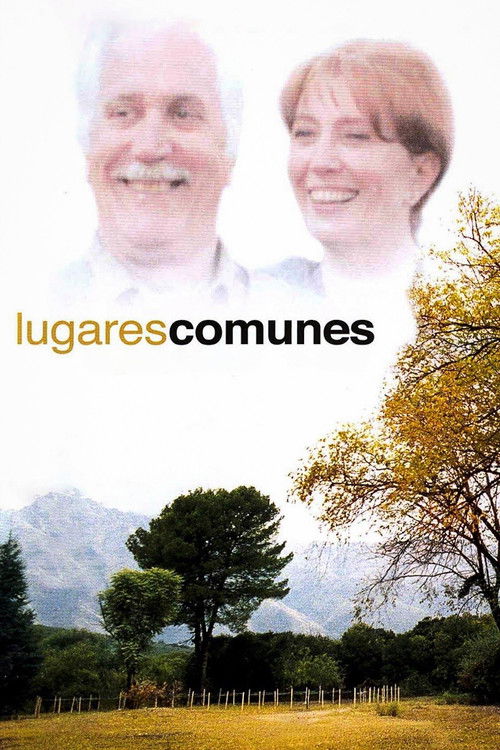
Common Ground
2002
No user ratings available yet
Representation score: 5.1 out of 10
Representation Score
Fair
1992
PGDirector
Adolfo Aristarain
Runtime
121 minutes
Average Rating
No ratings yetNew Showbiz Analysis
Adolfo Aristarain’s drama succeeds by highlighting the professional ability to act of women and critiquing the systemic pressures of industrial expansion. The film moves beyond simple domestic roles to show women as essential pillars of community stability. However, the narrative remains tied to conventional relational frameworks. It lacks explicit LGBTQ+ representation and does not feature diverse depictions of disability. Ultimately, the film's strength lies in its social commentary. It effectively frames the struggle for local autonomy against the encroachment of large-scale capital interests.
Category Breakdown
The story focuses on a traditional family unit and lacks explicit depictions of non-binary gender identities or narratives that challenge the assumption that everyone is straight.
Women are portrayed as strong leaders rather than domestic figures. Ana, a skilled doctor, demonstrates significant professional autonomy and intellectual independence.
The cast reflects the local Argentine demographic of the rural valley. The narrative explores regional identity through the tension between locals and external forces.
The film critiques extractive capitalism and the displacement of local peasants. It challenges traditional religious dogma through Nelda, a progressive nun focused on social justice.
There are no prominent depictions of physical or neurodivergent disabilities that drive the central plot.
Present on Screen
Limited or Absent
Official Synopsis
Mario and Ana, in voluntary exile from Buenos Aires, live in a remote Argentine valley with their 12-year-old son Ernesto. Mario runs a school and a wool cooperative; Ana, a doctor, heads a clinic with Nelda, a progressive nun. Into this idealistic family comes Hans, a jaded Spanish geological engineer -- surveying the land for the local patron, to see if it can be dammed for hydro-electric power, which would drive the peasants from the land into the cities.
2002
1963
2000
1984
1991
1990
2011
2003
No reviews yet. Be the first to share your thoughts on this movie!
Use the rating form above to leave a star rating and optional review.