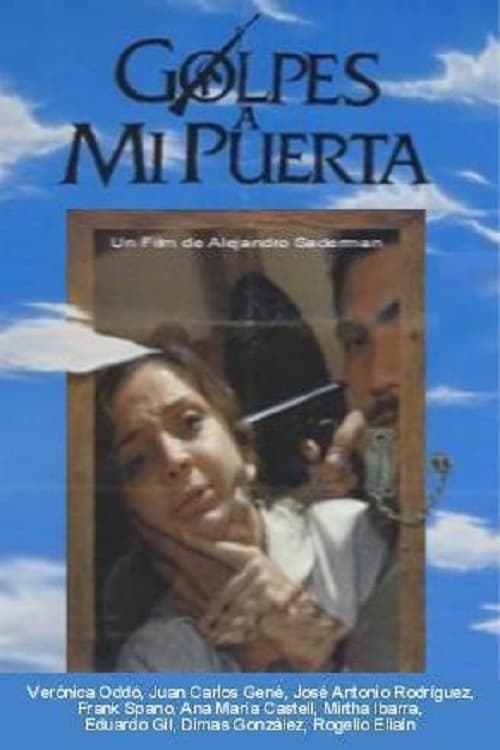
Knocks at My Door
1994
No user ratings available yet
Representation score: 3.4 out of 10

Representation Score
Good
2000
PG-13Director
Rodolfo Durán
Runtime
90 minutes
Average Rating
No ratings yetNew Showbiz Analysis
Close to the Border is a character-driven drama that challenges established institutional powers. By focusing on a journalist fleeing danger and a progressive priest, the film explores moral decision-making against the backdrop of 1978 Buenos Aires. The narrative elevates female characters like Marina and Margarita, giving them psychological depth and significant roles. This prevents the film from relying on traditional clichés where women are merely supporting characters. However, the film's representation remains somewhat speculative. While it hints at progressive social views, it lacks explicit visibility for LGBTQ+ identities and provides no information regarding disability representation.
Category Breakdown
The film does not explicitly depict queer identities or same-sex relationships. However, Father Gabriel's progressive stance suggests a challenge to traditional religious norms.
Marina and Margarita play significant roles in the story, influencing the protagonist strongly. Their active involvement helps disrupt conventional gender hierarchies.
The story addresses regional identity and the socio-political context of South America. Its focus on borders highlights issues of migration and displacement.
The film critiques institutional authority by showing a priest who operates independently of traditional church doctrine. It also examines the tension between personal truth and state censorship.
There is no documented evidence regarding the portrayal of physical or neurodivergent disabilities in this work.
Present on Screen
Limited or Absent
Official Synopsis
Esteban is a journalist who is escaping to the northern border. In the Buenos Aires of 1978, his life is in danger. The threats after one of his articles in the newspaper and his own inner conflicts push him to run away. But crossing the border is impossible. He comes back to a village near the frontier, where he stays at Father Gabriel's, a priest with ideas and attitudes of mind far from the traditional church. There he will meet Marina and Margarita, who will complete this human group with strong convictions. His stay there will be a definitive experience.
1994
1959
2022
1985

1987

1992
1974
1986
No reviews yet. Be the first to share your thoughts on this movie!
Use the rating form above to leave a star rating and optional review.