
A Place in the World
1992
No user ratings available yet
Representation score: 5.9 out of 10
Representation Score
Fair
2002
Not RatedDirector
Adolfo Aristarain
Runtime
110 minutes
Average Rating
No ratings yetNew Showbiz Analysis
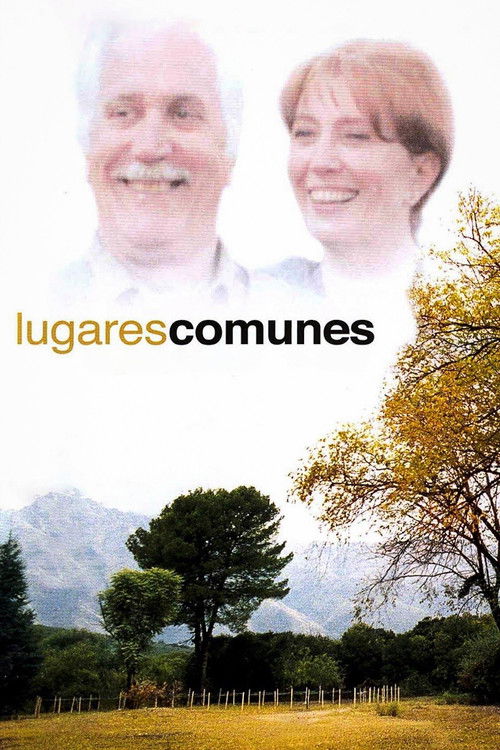
Common Ground is a sophisticated study of class struggle and systemic failure. It disrupts the cliché of the successful professional by showing how economic forces strip away traditional markers of status like academic positions and property. The film's strength lies in its critique of capitalist instability and its nuanced approach to non-straight relationships. However, the heavy emphasis on class-based conflict keeps the broader diversity metrics grounded in social realism. While the film provides meaningful inclusion, the narrative remains primarily focused on the intersection of identity and socioeconomic disparity within the Argentine context.
Category Breakdown
The film explores non-traditional relationship dynamics and same-sex intimacy. These elements are woven into the social fabric rather than driving the plot, avoiding common clichés while focusing on identity and class.
Liliana demonstrates a significant role in driving the story by making pivotal decisions for her family's survival. The narrative avoids strict patriarchal hierarchies by highlighting female pragmatism amidst male professional displacement.
Casting reflects the local demographic reality of Argentina during a national crisis. The film prioritizes class-based distinctions over race, centering an authentic, localized Argentine identity.
The story critiques capitalist structures and Western economic volatility. It frames institutions like the university and financial markets as sources of instability and oppression.
There is no evidence of visible or invisible disabilities being used as central plot devices or character traits.
Present on Screen
Limited or Absent
Official Synopsis
In Buenos Aires, a few days before traveling to Spain with his beloved wife Liliana Rovira to visit their son Pedro, the leftist Literature professor Fernando Robles is compulsory retired in the University, and he concludes that it is impossible to live with his pension. The crisis in Argentina does not allow Fernando to get a new job, and his wife decides to sell her family's apartment and move to a small farm near Villa Dolores to reduce their expenses. Fernando comes up with the idea to grow lavender and sell the oil to the perfume industry.
1992

2016
2012
2001

2004

2011

2002

2002
No reviews yet. Be the first to share your thoughts on this movie!
Use the rating form above to leave a star rating and optional review.