
Altiplano
2009
No user ratings available yet
Representation score: 4.4 out of 10
Representation Score
Fair
2011
TV-MADirector
Nicholas Greene
Runtime
19 minutes
Average Rating
No ratings yetNew Showbiz Analysis
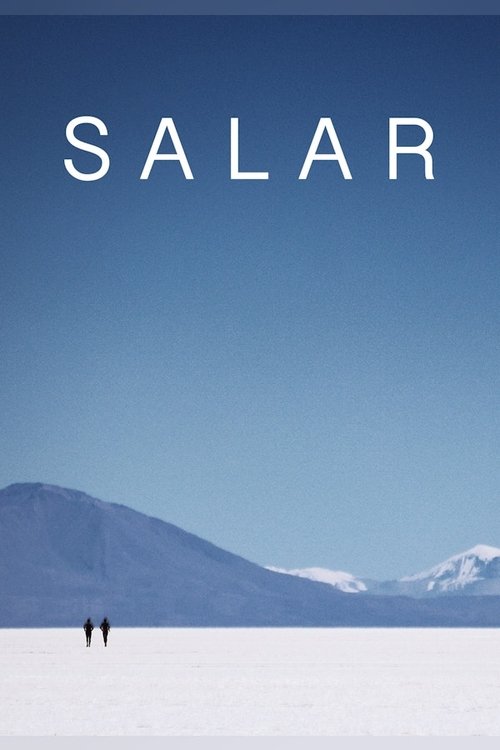
Salar is a character-driven drama that excels in its thematic depth. By centering a Bolivian miner’s resistance to an American conglomerate, the film effectively challenges Western dominance and the 'savior' cliché. The conflict between the male characters provides a grounded look at economic sovereignty. However, the film’s diversity is unevenly represented. While it shines in cultural and racial representation through a post-colonial lens, it remains silent on LGBTQ+ and disability issues. The absence of female characters also limits the complexity of its gender dynamics. Overall, the film is a powerful critique of global capitalism. It succeeds in giving a voice to the local laborer, even if it does not represent a broader range of human identities.
Category Breakdown
The film does not include any visible LGBTQ+ characters or stories. The plot revolves around the economic tensions between two male characters.
The story is led by male characters, focusing on their masculinity and ethical dilemmas. There are no prominent female characters.
The film highlights a Bolivian salt miner, giving him a central role that challenges typical stereotypes. This portrayal emphasizes the perspective of a underrepresented worker.
The storyline critiques Western corporate expansion and its impact on local communities. It presents the struggle for stability against foreign, exploitative interests.
There are no characters with physical or neurodivergent disabilities in the film.
Present on Screen
Limited or Absent
Official Synopsis
The intersecting lives of two otherwise unrelated people in a rural Bolivian village adjacent to the Uyani salt flats are presented. The first is Carlos, a poor salt miner. Unlike his colleagues, he is unwilling to take the one time compensation package from an American conglomerate who wants to purchase the mining rights. Carlos would rather get paid for doing actual work than risk living off a one time payment without a guarantee of any other work in the area. Carlos being the one holdout irks his fellow miners, who cannot get their compensation until Carlos also agrees to the terms. Carlos views all gringos in a bad light because of this situation. The second is Marc, an American doctor who has worked in various third world countries providing aide where needed. Marc is completing his term here. Carlos and Marc have a turbulent few meetings based on Carlos' feelings toward gringos and his want for a simple stable life.
2009

2012

2016

2008

1992

2008

2011
2004
No reviews yet. Be the first to share your thoughts on this movie!
Use the rating form above to leave a star rating and optional review.