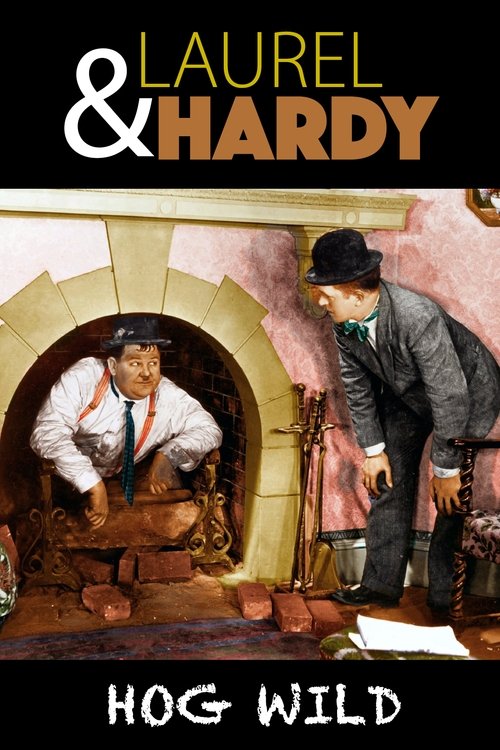
Hog Wild
1930
No user ratings available yet
Diversity score: 2.6 out of 10
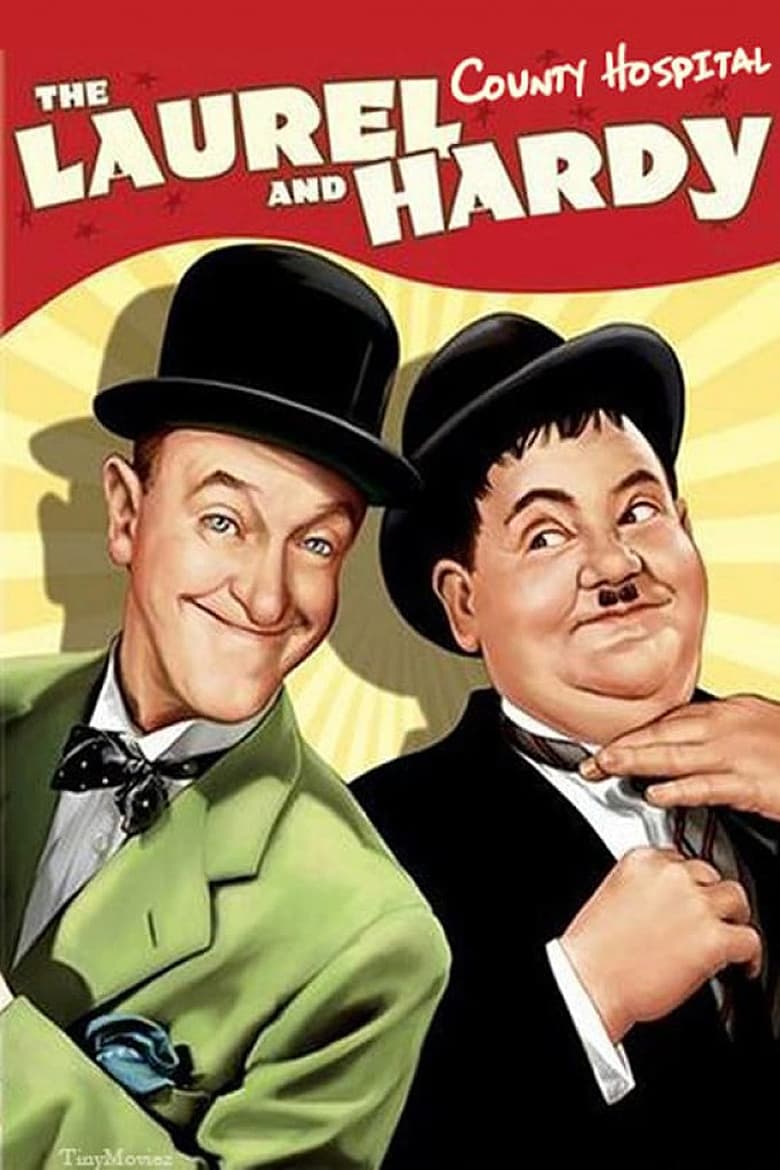
1932
NRDirector
James Parrott
Runtime
19 minutes
Average Rating
No ratings yetSynopsis
Ollie is in the hospital with a broken leg. When Stan comes to visit him, total chaos ensues.
Overall Score
Limited
Category Breakdown
LGBTQ+ Representation
The film lacks any evidence of LGBTQ+ characters or narratives. It follows conventional comedic structures of the early 1930s, focusing on physical mishaps rather than sexual identity.
Gender Representation
The narrative centers on the male-driven dynamic of Stan Laurel and Oliver Hardy. Female characters appear to be relegated to secondary or reactionary roles within this traditional hierarchy.
Racial & Ethnic Diversity
The film reflects the homogeneous casting standards of early 1930s studio comedies. It adheres to the Anglo-centric casting norms typical of the period.
Religious & Cultural Diversity
The hospital setting serves as a backdrop for slapstick rather than a site for institutional critique. The film reinforces standard social structures through its comedic framework.
Disability Representation
A broken leg serves as the primary catalyst for the comedy. While Ollie is a central agent of chaos, the portrayal lacks the nuanced agency found in modern depictions.
Strengths
Areas for Improvement
AI Analysis
County Hospital is a quintessential example of early 1930s slapstick, prioritizing physical comedy over social commentary. The film's structure is built around the established Laurel and Hardy dynamic, which centers on male protagonists and traditional comedic tropes. Representation is limited by the era's production standards. The film lacks LGBTQ+ narratives and adheres to the homogeneous, Anglo-centric casting common in early Hollywood. Gender roles appear conventional, with the focus remaining on male incompetence. While disability is present through Ollie's broken leg, it functions primarily as a plot device for chaos. The film does not attempt to disrupt social hierarchies or provide intersectional depth, serving instead as a standard period comedy.
1930
1935
1932
1929
1931
1930
1930
1932
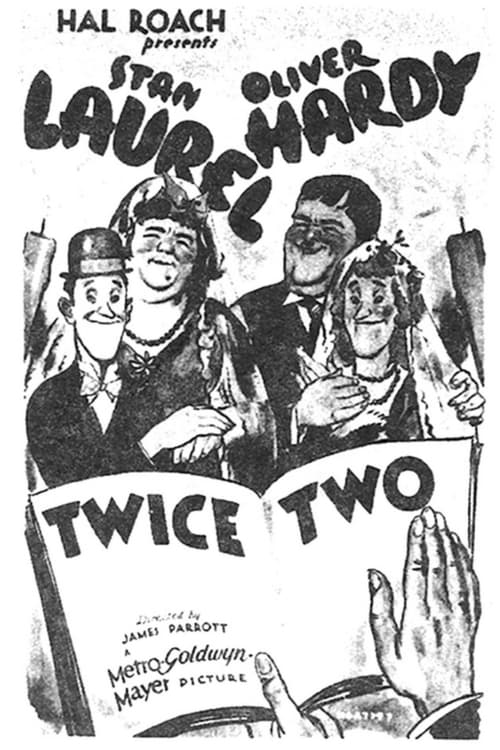
1933
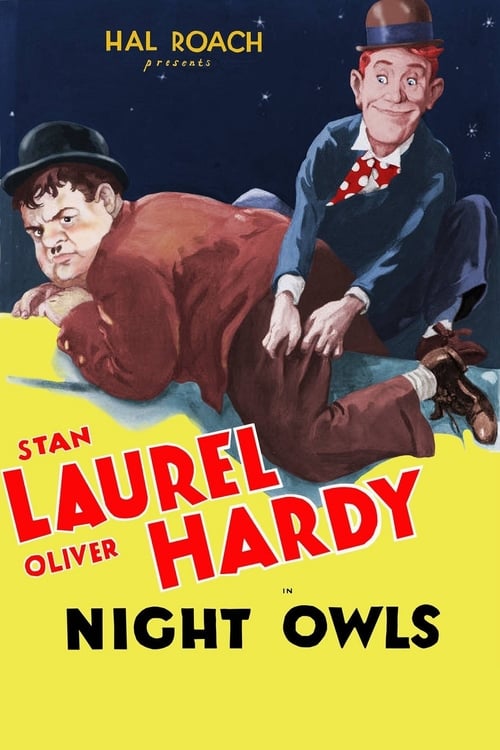
1930
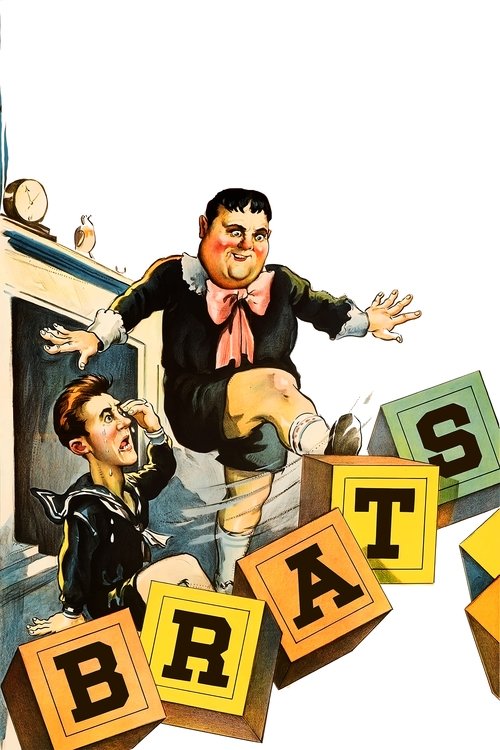
1930
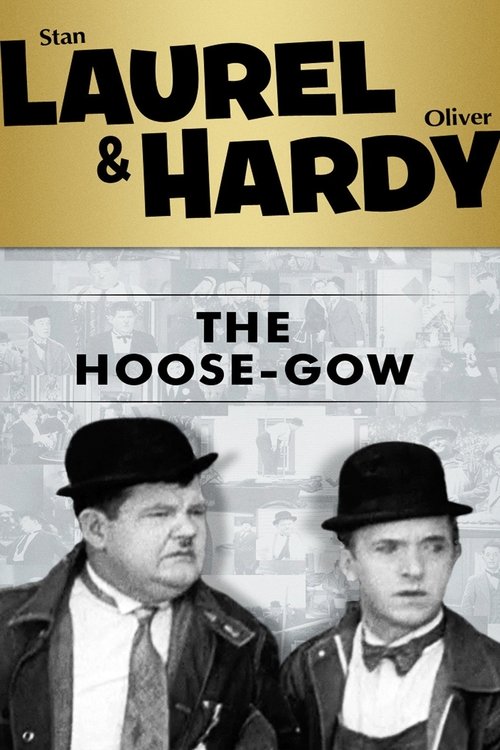
1929
No reviews yet. Be the first to share your thoughts on this movie!
Use the rating form above to leave a star rating and optional review.