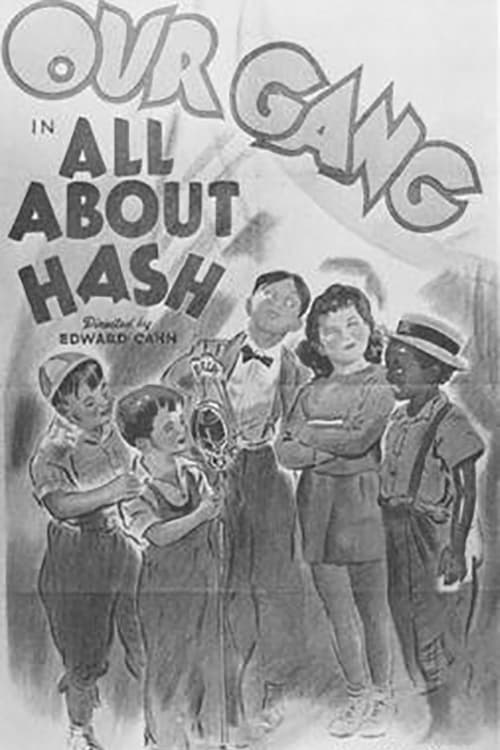
All About Hash
1940
No user ratings available yet
Representation score: 1.4 out of 10
Representation Score
Minimal
1930
NRDirector
James Parrott
Runtime
21 minutes
Average Rating
No ratings yetNew Showbiz Analysis
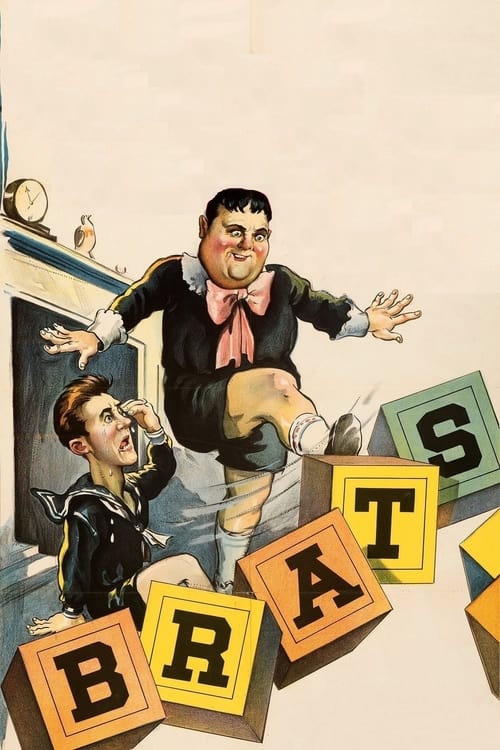
Brats is a product of the early sound era's slapstick traditions, prioritizing physical humor over social complexity. The narrative revolves around the domestic friction between Stanley, Oliver, and their children, adhering to the era's standard social structures. The film lacks intentionality regarding diverse representation. It relies on established clichés of the frustrated patriarch and homogeneous casting typical of the Hal Roach Studios ecosystem during this period. Ultimately, the work functions as a narrow domestic comedy that reflects the demographic norms of 1930s Hollywood rather than challenging them.
Category Breakdown
The film follows the conventional domestic norms of the 1930s, with no evidence of queer narratives or non-straight identities.
The story focuses on male figures and the disruption of their leisure time. It uses the frustrated patriarch cliché without challenging gender hierarchies or providing women with significant roles.
The production reflects the homogeneous demographic norms of early Hollywood. There is no indication of ethnic diversity or varied casting within this comedic context.
The film depicts a traditional domestic setting focused on situational chaos. It lacks critical commentary or sophisticated cultural framing, functioning as a simple domestic comedy.
There is no evidence of characters with visible or invisible disabilities in the film's narrative or historical record.
Present on Screen
Limited or Absent
Official Synopsis
Stanley and Oliver are trying to spend a relaxing night at home playing checkers, but the antics of their mischievous sons keep interrupting their recreation.
1940
1927
1931
1958
1946

1934

1929
1929
No reviews yet. Be the first to share your thoughts on this movie!
Use the rating form above to leave a star rating and optional review.