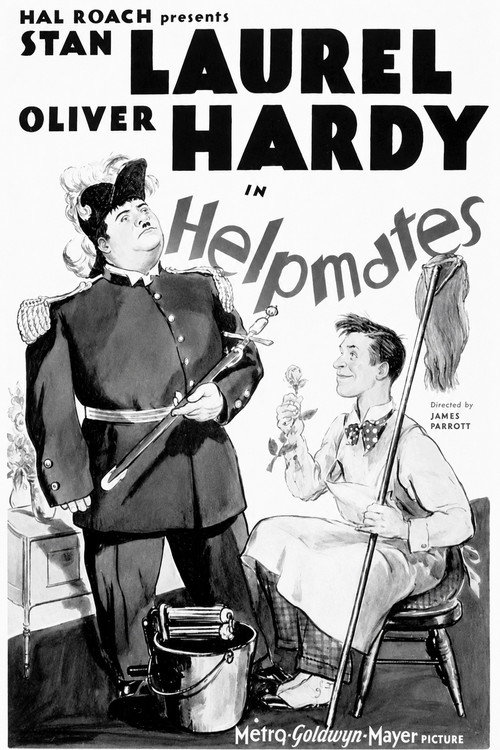
Helpmates
1932
No user ratings available yet
Representation score: 0.4 out of 10
Representation Score
Limited
1930
NRDirector
James Parrott
Runtime
19 minutes
Average Rating
No ratings yetNew Showbiz Analysis
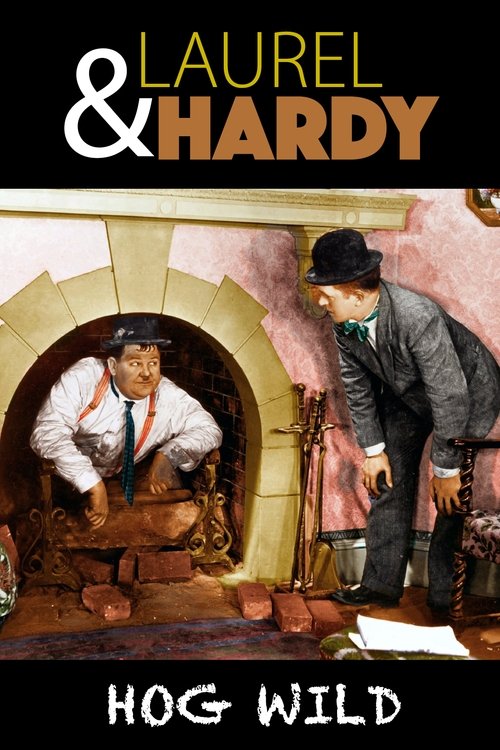
Hog Wild is a classic early sound-era slapstick comedy that emphasizes physical humor and situational mishaps. The story revolves around the comedic struggles of Stan and Ollie, focusing on lost objects and technical issues. As a product of the 1930s, the film adheres to the conventional social frameworks of its time, relying on standard comedic formulas rather than challenging social hierarchies or including diverse identities. The film provides a period-accurate example of escapist entertainment, emphasizing broad physical comedy over social commentary or diverse representation.
Category Breakdown
The film focuses on physical comedy and domestic mishaps, with no representation of LGBTQ+ identities or critiques of the assumption that everyone is straight or cisgender.
The story revolves around the physical struggles of male characters. While it doesn't promote harmful hierarchies, the film lacks significant roles for women and follows traditional comedic structures of the time.
The production reflects early Hollywood's homogeneous casting practices. There is no indication of diverse casting or challenging Anglo-centric norms.
The film serves as typical escapist entertainment, avoiding critiques of Western institutions or presenting anti-capitalist or secularist narratives.
Physical clumsiness is used as a comedic device to advance the plot. Characters are not explicitly mocked, but their ineptitude is presented as a temporary condition.
Present on Screen
Limited or Absent
Official Synopsis
First, Ollie can't find his hat. Then he and Stan attempt to install a rooftop radio antenna.
1932
1933
1930
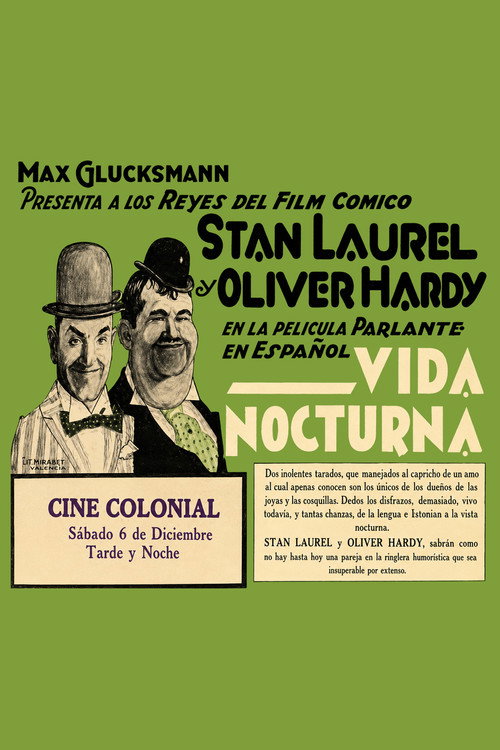
1930
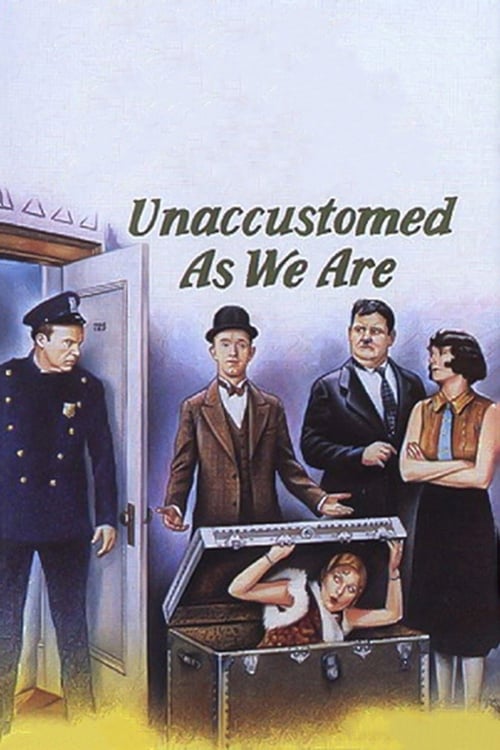
1929
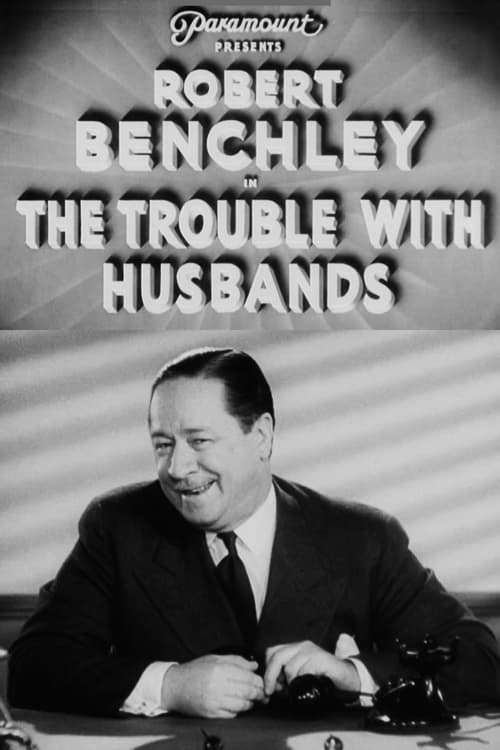
1940
1952
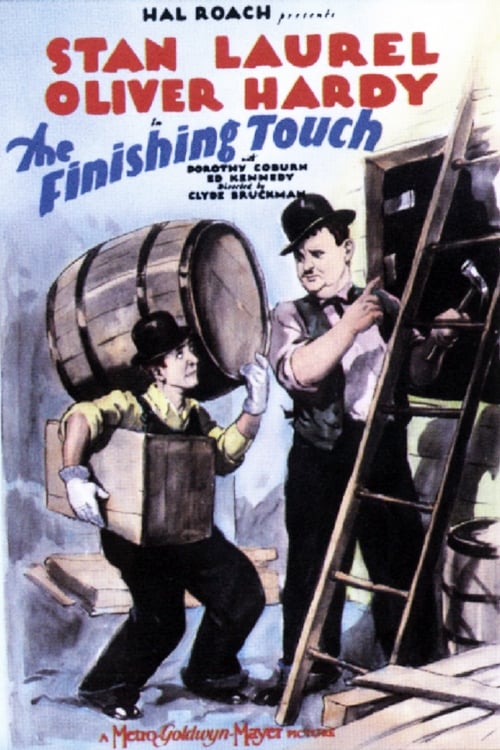
1928
No reviews yet. Be the first to share your thoughts on this movie!
Use the rating form above to leave a star rating and optional review.