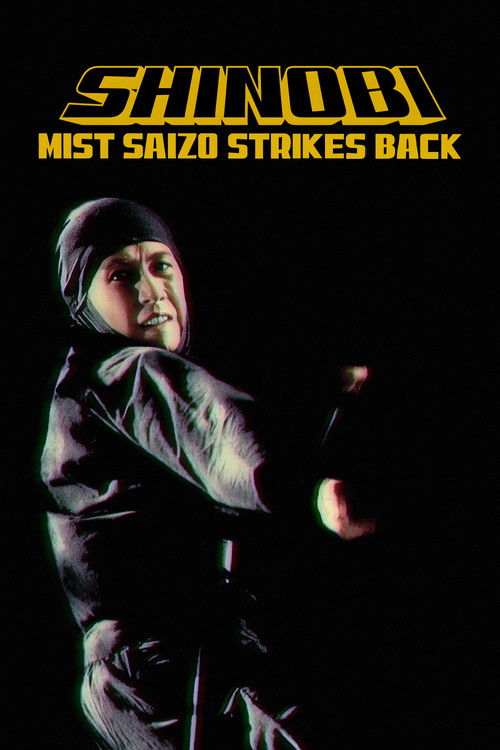
Shinobi no mono 7: Mist Saizo Strikes Back
1966
No user ratings available yet
Representation score: 3.9 out of 10
Representation Score
Fair
1999
Director
Masahiro Shinoda
Runtime
139 minutes
Average Rating
No ratings yetNew Showbiz Analysis
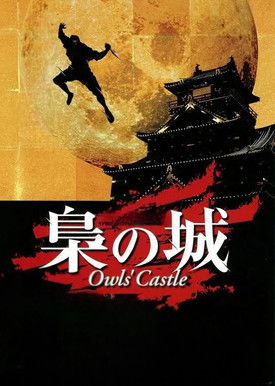
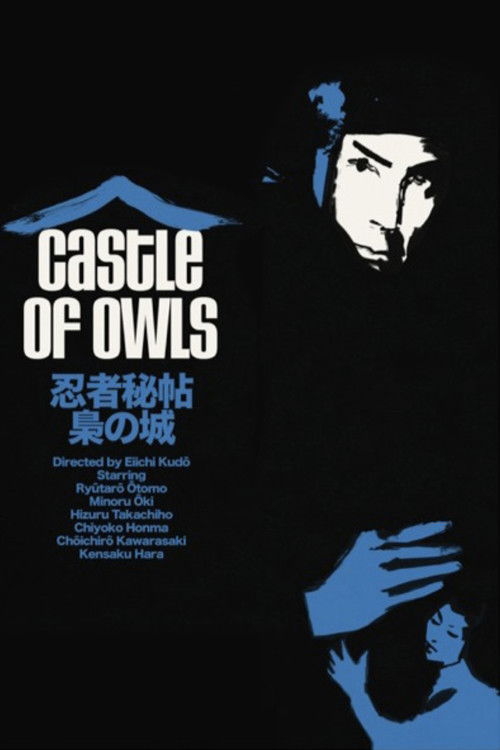
Owls' Castle serves as a critique of historical hegemony, shifting the focus from the architects of power to the survivors of their violence. By focusing on the aftermath of Nobunaga Oda's consolidation, the film disrupts traditional period drama clichés. While the film offers a nuanced view of historical ability to act and systemic trauma, it lacks visible representation in several key areas. The narrative is primarily driven by political vengeance and the consequences of state-driven expansionism. Ultimately, the film's strength lies in its subversion of the celebratory jidaigeki genre, though it remains limited by a lack of explicit diversity in identity and disability representation.
Category Breakdown
The film focuses on political consolidation and a cycle of vengeance. It does not include any non-straight relationships or same-sex intimacy.
The story highlights the collateral damage of patriarchal warfare through a historical massacre. The protagonist's mission suggests a potential disruption of traditional male-dominated military roles.
Set in a culturally homogeneous era, the film explores in-group and out-group dynamics. It portrays the ability to act of underrepresented lineages displaced by state consolidation.
The film critiques the 'Great Man' theory of history by centering on victims rather than conquerors. It frames historical unification as a source of systemic violence and trauma.
There is no evidence regarding the inclusion of characters with physical or neurodivergent disabilities.
Present on Screen
Limited or Absent
Official Synopsis
As great military commander Nobunaga Oda consolidates his power across Japan, one of his actions is to wipe out a clan of assassins, killing every man, woman and child he found in the village. Years later, one survivor has hired a young, skilled assassin to avenge his friends and family. His mission: to sneak into the most heavily guarded castle in Japan, and eliminate the supreme ruler.
1966

1972
1963

1997
1994
1980

1964
2014
No reviews yet. Be the first to share your thoughts on this movie!
Use the rating form above to leave a star rating and optional review.