
The Red Shadow
1961
No user ratings available yet
Representation score: 2.1 out of 10
Representation Score
Limited
1963
Director
Eiichi Kudō
Runtime
91 minutes
Average Rating
No ratings yetNew Showbiz Analysis
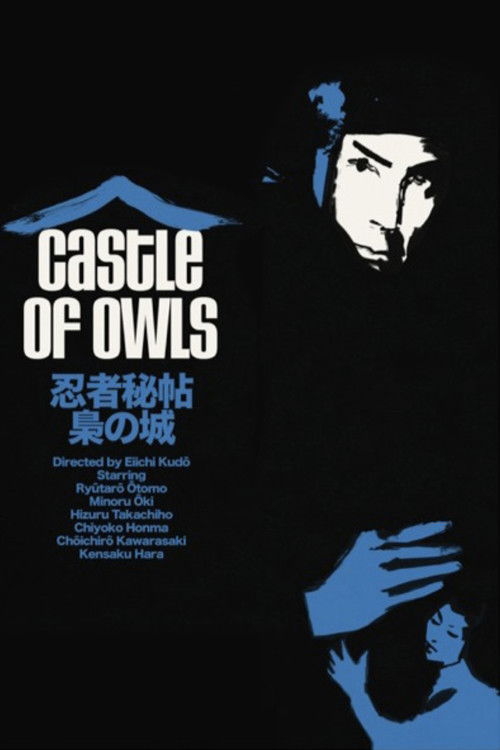
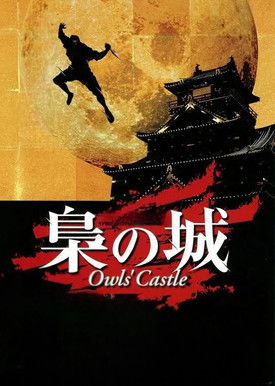
Castle of Owls is a traditional period action drama that emphasizes genre-specific clichés of espionage and political intrigue. The film reinforces the conventional power dynamics of the Sengoku/Azuchi-Momoyama era through its focus on male-dominated ninja clans and political leaders. While the film captures the high-stakes tension of historical conflict, it does so through a narrow lens. The narrative structure relies on established archetypes, such as the treacherous woman and the master spy, which limits the scope of its social representation. Ultimately, the work functions as a standard genre piece of its time. It focuses on the stability of ruling powers and the codes of the Iga Clan without exploring underrepresented identities or subverting historical hierarchies.
Category Breakdown
The film follows traditional 1960s action cinema, focusing on heterosexual relationships where women are often portrayed as trying to seduce the male protagonist.
Gender roles in the film are traditional and hierarchical, with female characters primarily serving as obstacles or catalysts for the male lead, often through themes of seduction and betrayal.
The cast is ethnically uniform, reflecting the film's Japanese historical setting. There is no mention of diverse ethnic representation despite references to geopolitical conflicts with Korea.
The story highlights rigid clan structures and the preservation of historical institutions. It adheres closely to traditional historical narratives without challenging the social codes of the era.
There is no evidence of characters with visible or invisible disabilities within the narrative.
Present on Screen
Limited or Absent
Official Synopsis
Movie adaptation of the 1959 ninja novel. With war against Korea looming on the horizon, Hideyoshi Toyotomi, the 'Taiko' becomes the target of an assassination attempt to be carried out by the Iga Clan of ninja spies. Master spy Juzo Tsuzura (Ryutaro Otomo) is assigned the task, but first he must defeat a former Iga spy who has become a traitor, and outwit the treacherous woman that is trying to seduce him.
1961
1972
1966
1962
1964
1999
1970
1965
No reviews yet. Be the first to share your thoughts on this movie!
Use the rating form above to leave a star rating and optional review.