
If Life Gives You Lemons
2018
No user ratings available yet
Representation score: 3.3 out of 10
Representation Score
Good
2007
Director
Ognjen Sviličić
Runtime
82 minutes
Average Rating
No ratings yetNew Showbiz Analysis
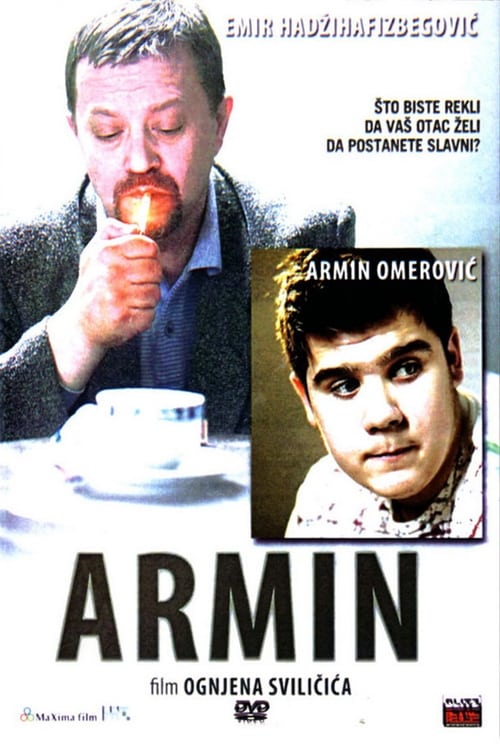
Armin is a realistic portrayal of post-conflict Balkan society that prioritizes humanistic reconciliation over traditional heroism. It challenges traditional masculine stereotypes and avoids exploiting disability. While the film excels in regional authenticity and moral complexity, it lacks LGBTQ+ representation and women's ability to drive the story. The narrative is centered on male experiences and traditional family structures.
Category Breakdown
The film does not include explicit LGBTQ+ characters or relationships that go beyond the assumption that everyone is straight. It centers on the family dynamics and the protagonist's social readjustment.
The story challenges traditional masculine stereotypes by emphasizing vulnerability over toughness. However, the narrative remains focused on male-driven conflict, offering limited opportunities for women to take leading roles.
The cast is ethnically uniform, reflecting the specific South Slavic setting. The film prioritizes regional authenticity over a globally diverse cast.
The film provides a nuanced look at post-conflict societal institutions and the shift from socialism to capitalism. It highlights situational ethics and personal reconciliation over strict moral codes.
Armin’s epilepsy is portrayed with sensitivity, showing his vulnerability without using it as a plot device. The film presents the condition as a realistic part of life.
Present on Screen
Limited or Absent
Official Synopsis
The film follows Ibro (Emir Hadžihafizbegović) and his son Armin (Armin Omerović), who travel from a small town in Bosnia to a film audition in Zagreb, hoping to land a part for Armin in a German film about the war in Bosnia. On their way to fulfilling the boy's dream, they encounter a series of disappointing setbacks — their bus to Zagreb breaks down and they are late for the audition. After Ibro convinces the director to give the boy a second chance, they soon realize that Armin is too old for the part anyway. As it becomes obvious that Armin's dream of playing a part in the movie will never happen, he feels increasingly disheartened, while Ibro's determination to help his son grows. Finally they do get another chance, but Armin buckles under the pressure and experiences an epileptic seizure. As they get ready to head back to Bosnia, the film crew makes an unexpected offer, but when Ibro refuses, Armin at last realizes how much his father really loves him.
2018

1996
1999

1997

2009

2013

2019
2000
No reviews yet. Be the first to share your thoughts on this movie!
Use the rating form above to leave a star rating and optional review.