The Apple
1998
No user ratings available yet
Representation score: 4.9 out of 10
Representation Score
Good
1999
Director
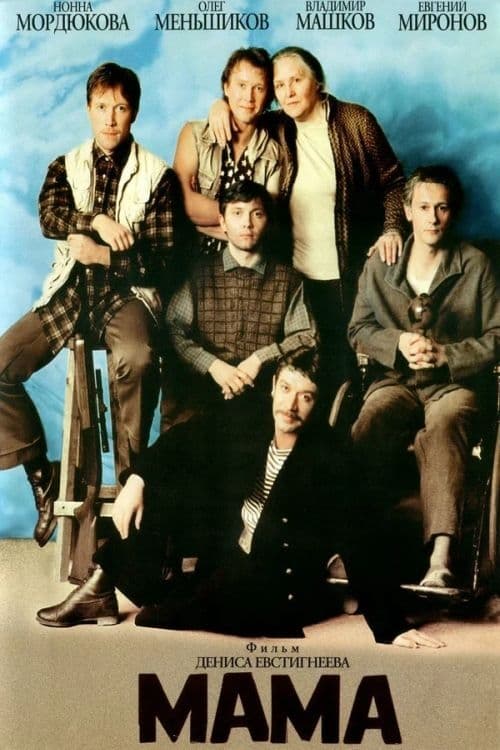
Denis Evstigneev
Runtime
100 minutes
Average Rating
No ratings yetNew Showbiz Analysis
Mommy is a social realist drama that finds its strength in its subversion of traditional roles. By centering on a woman forced into extreme ability to act, the film explores survival against a corrupt state. The narrative excels in its critique of systemic oppression, particularly regarding mental health and the failure of legal institutions. It treats the protagonist's criminal choices as ethical responses to a broken society. However, the film remains narrow in its demographic scope. It lacks representation for LGBTQ+ identities and multi-ethnic perspectives, focusing instead on a specific, homogeneous regional experience.
Category Breakdown
The film focuses on a traditional mother-daughter relationship and does not include any LGBTQ+ characters or non-cisgender identities.
Polina plays a significant role in driving the story and demonstrates strong resilience against failing patriarchal systems.
The cast appears largely homogeneous within its regional context. The story focuses on socio-economic differences rather than multi-ethnic or interracial dynamics.
The film criticizes state institutions as oppressive and corrupt. It portrays the protagonist's desperate actions as necessary rebellions against systemic failures.
The narrative explores neurodivergence through Lyonchik and uses his institutionalization to critique the psychiatric system and the exclusion of family members.
Present on Screen
Limited or Absent
Official Synopsis
After Polina, a mother of six, loses her husband, who went to jail for stealing charcoal and was killed when he tried to escape, she stays behind without any support. To be able to survive, Polina and her family start a folk group. But soon she understands that her children deserve a better fate, and she takes the desperate decision to steal a plane and go abroad... Fifteen years later, Polina is released from prison and finds out that fate has scattered her children all over the country: one is in the army, another is a miner in the Donbass, and the oldest, Lyonchik, who used to be in a mental institution, now pretends to be insane. Polina gathers all of her sons to free their older brother from the psychiatric hospital...
1998
1994
1989

2000
2010
2002
2004

2019
No reviews yet. Be the first to share your thoughts on this movie!
Use the rating form above to leave a star rating and optional review.