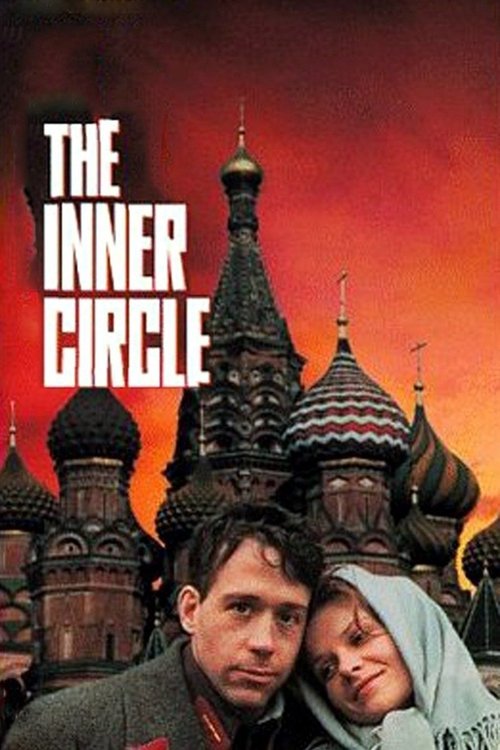
The Inner Circle
1992
No user ratings available yet
Representation score: 3.0 out of 10
Representation Score
Limited
1988
Director
Tony Palmer
Runtime
157 minutes
Average Rating
No ratings yetNew Showbiz Analysis
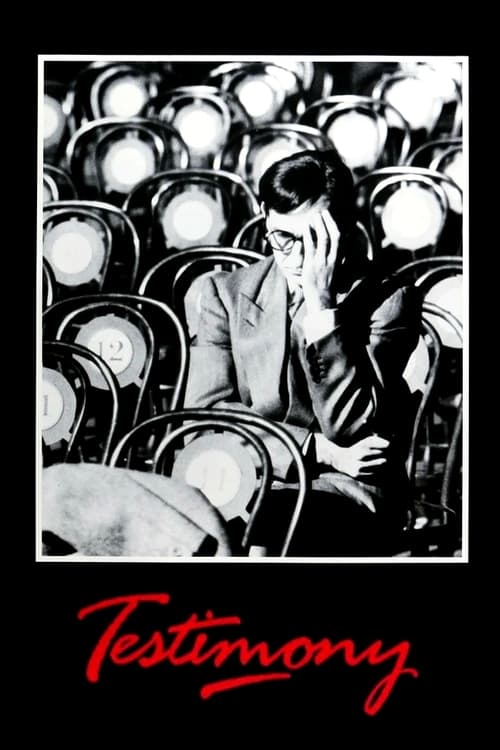
Testimony is a biographical study of Dmitri Shostakovich that prioritizes historical interrogation over demographic breadth. It functions primarily as a critique of systemic oppression and the erosion of individual ability to act under Stalinism. While the film lacks diversity in terms of gender, race, and explicit LGBTQ+ representation, it achieves high sophistication in its cultural analysis. It challenges the legitimacy of totalitarian power and institutionalized morality. Ultimately, the work's narrow demographic focus is a byproduct of its specific historical subject matter rather than a lack of narrative depth.
Category Breakdown
The film explores the precarious nature of personal identity under a regime that criminalized non-conformity. Queer identity is framed through subtle hints and the necessity of privacy rather than overt celebration.
The narrative focuses on male-dominated spheres of Soviet high culture and political bureaucracy. Women appear within the biographical framework but are largely positioned in traditional domestic or supportive roles.
The film operates within a relatively homogeneous cultural landscape centered around the Soviet intelligentsia. It does not intentionally disrupt the Slavic-centric norms of the era's historical documentation.
The film excels in its critique of authoritarian institutions and centralized power. It presents a sophisticated view of the artist's truth pitted against the corrupt morality of the state.
There is insufficient evidence within the biographical scope to assess the representation of physical or neurodivergent disabilities.
Present on Screen
Limited or Absent
Official Synopsis
The story of the great Soviet composer Dmitri Shostakovich (1906-1975) and his life and career during the rule of Stalin.
1992
1975
1992

1969
1952

2009

2004
2017
No reviews yet. Be the first to share your thoughts on this movie!
Use the rating form above to leave a star rating and optional review.