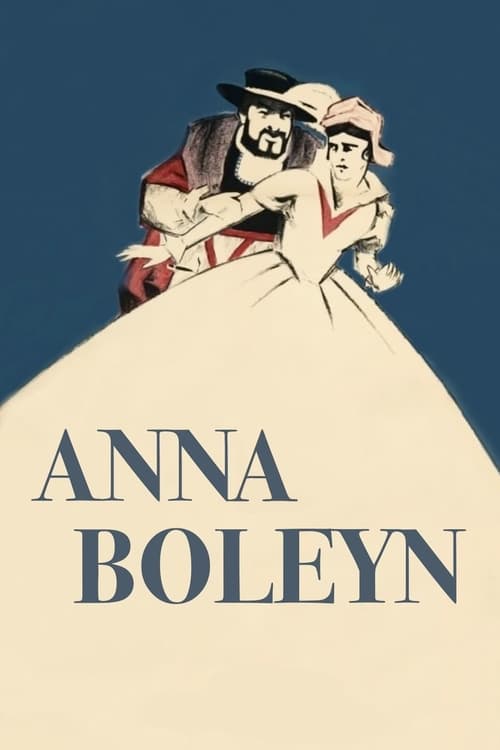
Anna Boleyn
1920
No user ratings available yet
Representation score: 2.1 out of 10

Representation Score
Minimal
1933
NRDirector
Alexander Korda
Runtime
97 minutes
Average Rating
No ratings yetNew Showbiz Analysis
Alexander Korda’s 1933 film reflects the era’s social norms, focusing on historical farce and reinforcing established hierarchies. The narrative lacks intentionality regarding diverse identities. The film centers on the king's romantic pursuits and the biological imperative of succession, resulting in a narrow focus on gender and race. While it serves as a significant historical artifact, it upholds the status quo of the Tudor era without challenging it.
Category Breakdown
The film sticks to traditional gender and sexual norms, with no representation of LGBTQ+ identities or critiques of the assumption that everyone is straight or cisgender.
The power dynamics are dominated by the king, who holds absolute control. Female characters are mostly defined by their relationships to the king, serving as objects of desire or political tools.
The cast is primarily white and European, presenting a monolithic cultural view of the Tudor court without diverse representation.
The story emphasizes the historical spectacle of courtly intrigue without critiquing religious or power structures.
There are no characters with visible or invisible disabilities, and the film does not address neurodivergence or physical disabilities.
Present on Screen
Limited or Absent
Official Synopsis
Renowned for his excess, King Henry VIII goes through a series of wives during his rule. With Anne Boleyn, his second betrothed, executed on charges of treason, Henry weds maid Jane Seymour, but that wedded bliss also ends in tragedy. Not one to be single for long, the tyrannical king chooses German-born Anne of Cleves, but their union lasts only months before an annulment is granted, and so Henry's reign of spousal terror continues.
1920

1954
1956
1969

2018
1934

1934

1944
No reviews yet. Be the first to share your thoughts on this movie!
Use the rating form above to leave a star rating and optional review.