
The White Lady
1965
No user ratings available yet
Representation score: 3.7 out of 10
Representation Score
Fair
1975
Director
Václav Vorlíček
Runtime
120 minutes
Average Rating
No ratings yetNew Showbiz Analysis
Václav Vorlíček’s fantasy comedy emphasizes folkloric whimsy and screwball timing over contemporary social representation. While the film uses supernatural elements to disrupt social order, it stays within the traditional and homogeneous frameworks of 1970s Czechoslovakian cinema. The narrative unfolds through absurdity and mistaken identity rather than intentional engagement with identity politics. The conflict between bureaucracy and tradition provides a subtle critique of authority, but this is framed through myth rather than diverse human experiences.
Category Breakdown
The film focuses on a conventional romantic relationship between Dr. Mráček and Jana. It does not depict any non-traditional gender identities or same-sex relationships.
Women like Jana play important roles, but their influence is mainly tied to romantic plots. The film follows typical comedic formulas rather than challenging traditional gender hierarchies.
The cast is fairly uniform, set in a specific Prague cultural context. Diversity is shown through mythological spirits rather than ethnic or racial backgrounds.
The story critiques rigid institutions by having supernatural groups clash with bureaucratic forces. It examines the tension between modern progress and preserving traditional heritage.
There are no characters with physical or neurodivergent disabilities who are central to the plot. Magical transformations serve as comedic devices rather than exploring disability issues.
Present on Screen
Limited or Absent
Official Synopsis
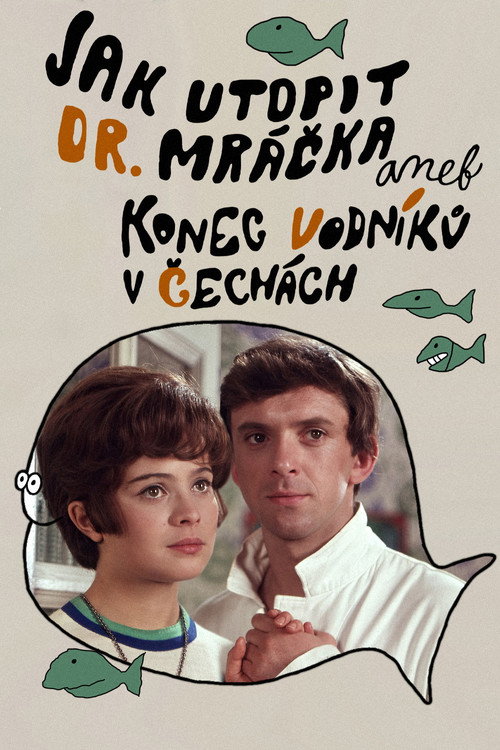
There are still water spirits among us. One group lives in Prague, led by Mr. Wassermann, who is using his wife's family as a servants. All they need is their old house near the river. But the house is to be demolished. They have to stop it. And the only way is to drown Dr. Mrácek, who is responsible for the demolition. But he falls in love with Wassermann's niece Jana. He changes to fish, is mistaken for water spirit from Germany, is drowned and revived again. The other problem is the flour with ears... and so on...
1965
1988
1946
2001
1970
1963
1986
1957
No reviews yet. Be the first to share your thoughts on this movie!
Use the rating form above to leave a star rating and optional review.