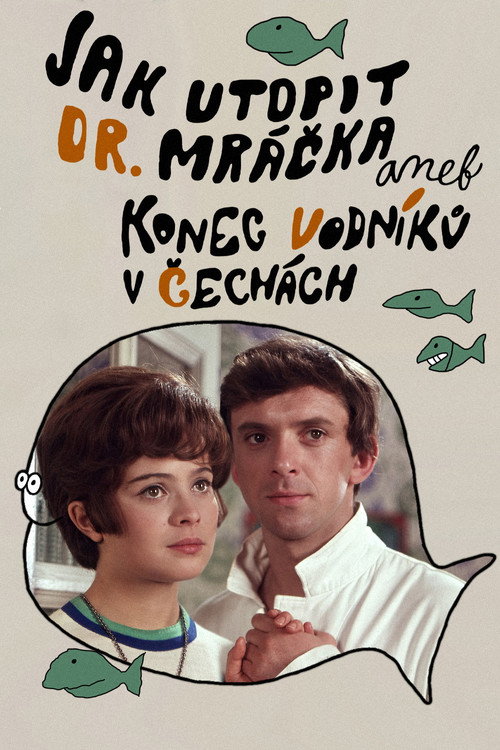
How to Drown Dr. Mracek, the Lawyer
1975
No user ratings available yet
Representation score: 4.3 out of 10
Representation Score
Limited
1946
Director
Václav Krška
Runtime
90 minutes
Average Rating
No ratings yetNew Showbiz Analysis
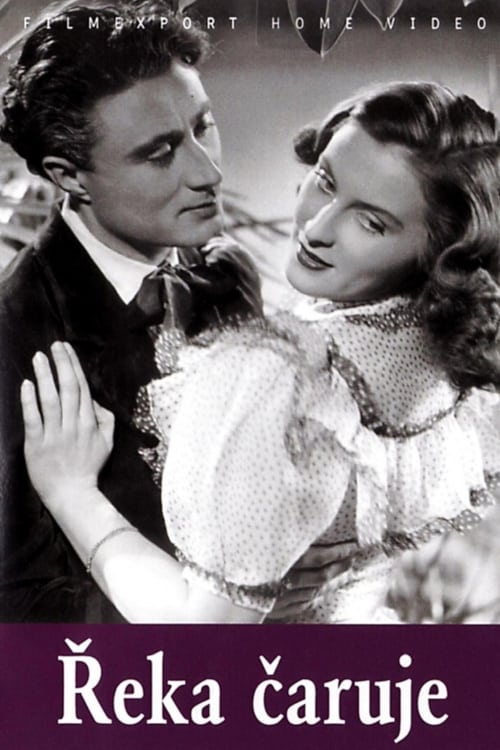
Magical River is a lyrical fantasy that prioritizes atmosphere and subjective experience over social commentary. Its strength lies in its subversion of traditional masculine competence, presenting a protagonist defined by regression and emotional vulnerability rather than authority. However, the film remains rooted in the demographic homogeneity of its era. The lack of diverse character identities and the focus on localized social structures limit its broader representational impact. Ultimately, the film offers a critique of rigid social roles through a mystical lens, even if it lacks diverse character identities.
Category Breakdown
The film centers on the protagonist's nostalgia for a past romantic relationship and his current marriage. It does not depict any non-straight or non-cisgender identities or same-sex intimacy.
The story contrasts a passive male lead with an energetic, economically dominant wife. It avoids the cliché of the stable patriarch, focusing instead on male emotional instability.
Reflecting its mid-century Czech setting, the film depicts localized, homogeneous social structures. There is no evidence of racial blending or diverse ethnic representation within the narrative.
The story values individualistic, mystical spirituality over societal conventions. The wandering tramp acts as a wise outsider, encouraging a departure from conventional social roles and institutional stability.
A nervous breakdown serves as a psychological catalyst for a fantastical journey. It is unclear if mental health issues are treated with ability to act or used merely as a plot device.
Present on Screen
Limited or Absent
Official Synopsis
Leopold Kohák married a rich widow a long time ago and now has nothing to do compared to his energetic wife. He's growing old and troubled by the fact that he betrayed his first love Emča and his beloved river Sázava where he spent his childhood and youth. A visit from an old friend Lebeda brings it all back to him. After a nervous breakdown Leopold secretly visits his home instead of going to the spa. A wandering tramp suggest Leopold should bathe in the magical waters of the Sázava, and slowly his youth returns to him.
1975
1951
1940
1960
1978
1941
1957
1937
No reviews yet. Be the first to share your thoughts on this movie!
Use the rating form above to leave a star rating and optional review.