Gulliver
1979
No user ratings available yet
Representation score: 4.5 out of 10
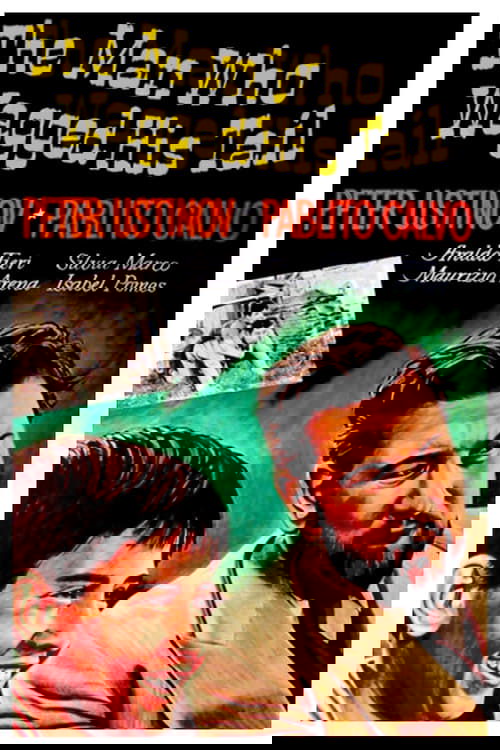
Representation Score
Fair
1957
Director
Ladislao Vajda
Runtime
88 minutes
Average Rating
No ratings yetNew Showbiz Analysis
The film operates as a social fable using fantasy to critique class-based oppression. Though it doesn't have modern markers of diversity, it offers a meaningful perspective on the struggles of immigrant tenants against a tyrannical landlord. Representation is limited by the era's standards, especially concerning gender and LGBTQ+ identities. The story centers on the male protagonist's journey from greed to empathy. Ultimately, the film's strength lies in its use of metaphor to address systemic issues and the human condition, offering a critique of the status quo through a lens of social awareness.
Category Breakdown
The film does not include any LGBTQ+ characters or stories. It follows the traditional social structures common in 1957 Italian cinema.
A female character uses supernatural powers to influence the plot, but the story focuses on a male protagonist's moral growth. The narrative challenges the dominance of male authority.
The film highlights the immigrant experience by focusing on tenants facing systemic oppression. By centering on underrepresented outsiders, it disrupts the idea of a homogeneous, privileged landlord class.
The film critiques traditional power structures and capitalist hierarchies. It emphasizes a moral transformation driven by empathy rather than religious doctrine, presenting greed as a societal issue.
The protagonist's transformation into a dog symbolizes losing personal freedom and social standing. This fantasy element explores the experience of losing physical autonomy.
Present on Screen
Limited or Absent
Official Synopsis
The owner of a building tyrannizes his immigrant tenants. Transformed into a dog by an old woman's curse, he experiences all the hardships of his situation; when a child's affection turns him back into a man, his soul is radically changed.
1979
1951
1955
1950
1940

1963

2008

1947
No reviews yet. Be the first to share your thoughts on this movie!
Use the rating form above to leave a star rating and optional review.