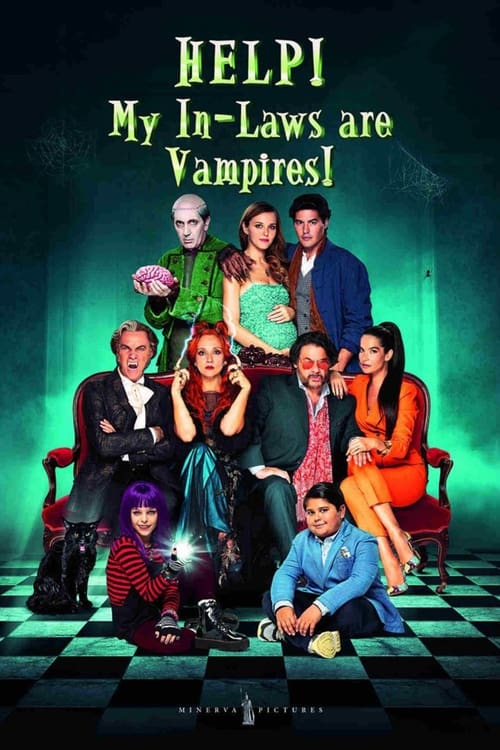
Help! My In-Laws Are Vampires!
2021
No user ratings available yet
Representation score: 4.5 out of 10
Representation Score
Fair
1998
Director
Javier Fesser
Runtime
102 minutes
Average Rating
No ratings yetNew Showbiz Analysis
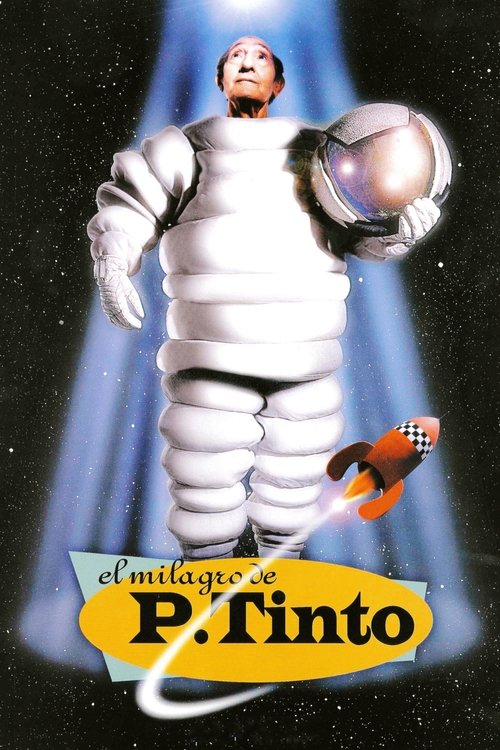
Javier Fesser’s film employs the Spanish *esperpento* tradition, using grotesque distortion to critique social realities. This approach prioritizes the dismantling of social logic and traditional morality over demographic diversity. The film successfully undermines the concept of the stable family unit through its absurd plot involving an escaped mental patient. This provides a powerful challenge to conventional social structures and ethics. However, the film lacks broad representation of underrepresented identities. It uses characters with atypical presentations primarily as surreal tools rather than providing meaningful roles for those identities.
Category Breakdown
The film centers on the protagonist's obsession with reproduction and does not delve into LGBTQ+ identities. It lacks specific representations of LGBTQ+ characters or critiques of the assumption that everyone is straight or cisgender.
Gender roles are defined by male obsession and sexual frustration. Women are often used as objects within surreal fantasies rather than having significant control over their own lives.
The film is set in a rural Spanish area with a homogeneous population. There are no attempts to include diverse racial backgrounds or non-white characters.
The film effectively challenges traditional Western institutions and the nuclear family structure. It uses surreal chaos and moral relativism to question established ethical norms and societal structures.
Characters with neurodivergence and unusual physical appearances play key roles in the story. However, they are often depicted as grotesque surreal figures rather than nuanced representations of their lived experiences.
Present on Screen
Limited or Absent
Official Synopsis
Wafer factory-owner P. Tinto and his wife Olivia want a child of their own more than anything else in the world. Years of trying, however, have left them with nothing but a pair of extraterrestrial midgets living in the spare bedroom. When they decide to try adoption, a series of misroutings and chance encounters results in an escaped adult mental patient arriving at their door with adoption papers in hand. P. Tinto and Olivia accept this without question and welcome him in as their son. Can this family arrangement work?
2021
2001

2016
1992
2001

2011
2022
1990
No reviews yet. Be the first to share your thoughts on this movie!
Use the rating form above to leave a star rating and optional review.