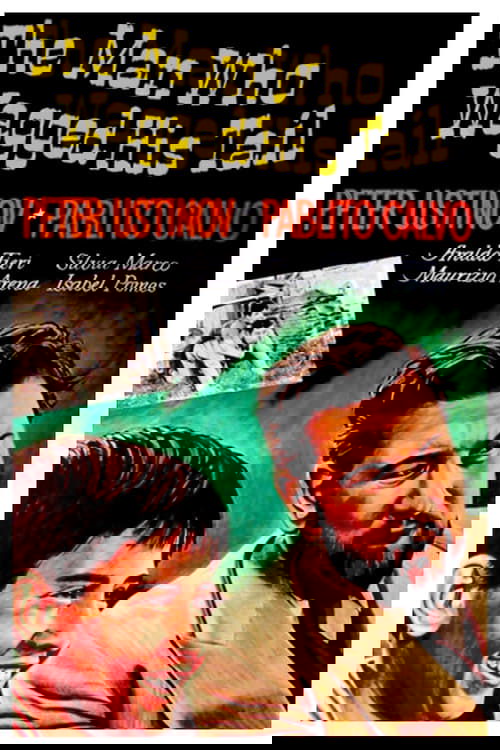
The Man Who Wagged His Tail
1957
No user ratings available yet
Representation score: 5.9 out of 10
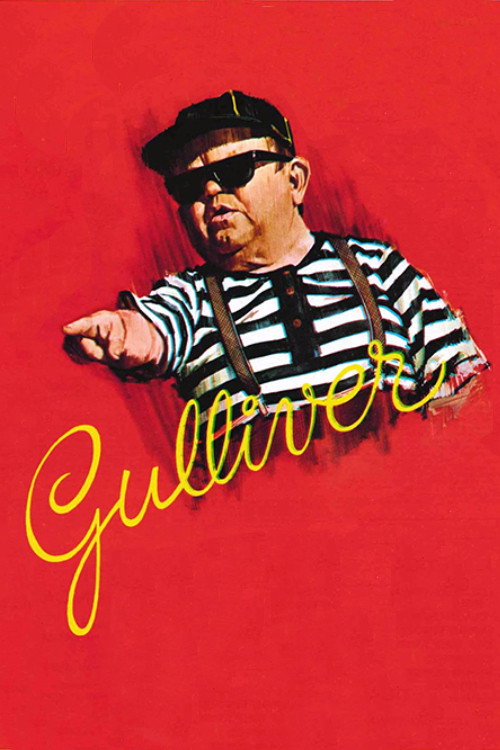
Representation Score
Fair
1979
Director
Alfonso Ungría
Average Rating
No ratings yetNew Showbiz Analysis
Gulliver (1979) is a traditional animated adaptation of Swift’s satire, focusing on allegorical comedy rather than modern identity-driven storytelling. While it draws from an intellectual framework for social critique, it adheres to the production standards and narrative limitations of its era. The film does not offer diverse or nuanced representations of gender, race, or disability. It relies on established archetypes and a Western-centric viewpoint, failing to challenge systemic hierarchies. Ultimately, the work serves as a period-specific piece of social satire that explores human folly through scale and metaphor, rather than through progressive character development.
Category Breakdown
The film does not include any identifiable LGBTQ+ characters or narratives. The character dynamics follow traditional patterns typical of the 1970s, with no indication of queer subtext.
The story focuses heavily on the male protagonist, Lemuel Gulliver. It does not challenge traditional gender roles or give significant roles to female characters.
The film uses a Western-centric perspective when depicting civilization versus the 'other.' Non-human species act as metaphors, but the film does not address racial hierarchies directly.
The film uses satire to criticize institutional authority and human vanity. It challenges the idea of a singular moral order through the lens of classical social satire.
There is no significant representation of characters with disabilities. The film focuses on physical scale rather than representing neurodivergence or physical disabilities.
Present on Screen
Limited or Absent
1957
1998

1947
1992
1983
1988

2011
2010
No reviews yet. Be the first to share your thoughts on this movie!
Use the rating form above to leave a star rating and optional review.