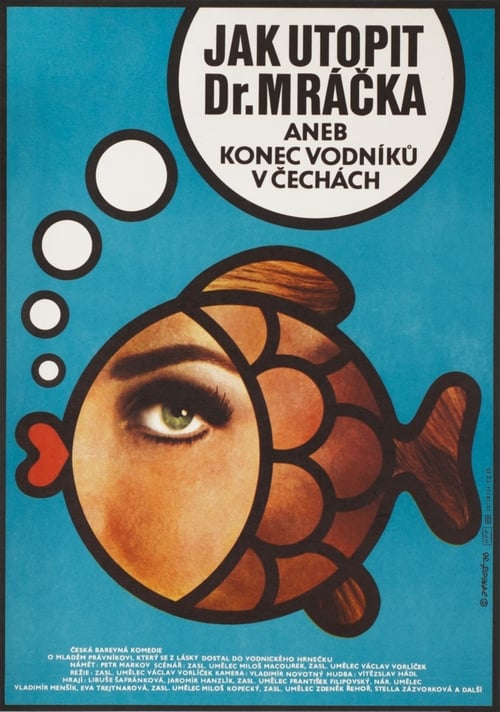
How to Drown Dr. Mracek, the Lawyer
1975
No user ratings available yet
Diversity score: 3.2 out of 10
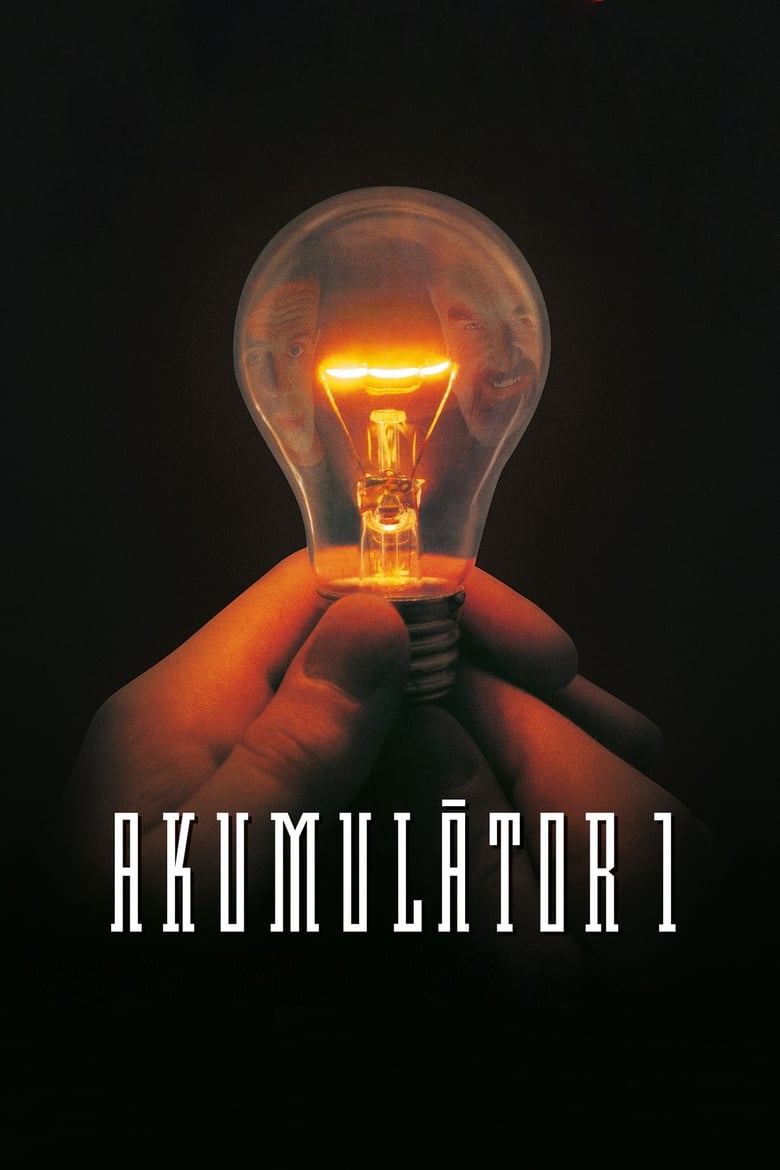
1994
Director
Jan Svěrák
Runtime
102 minutes
Average Rating
No ratings yetSynopsis
In this movie, TV sets are full of life. If a person is in TV (e.g. because it was filmed on the street) it has a double that's right in the TV set. This double needs energy from the true character to survive. Each time, the real human watches TV, his Double will pull life energy from him. So there's a mysterious Death-serial. Many persons die in front of their TV set and nobody knows why. Olda, the main character, is one of the persons, that get more and more weak. He is near death, till Fisarek, the natural healer appears. He teaches Olda how he can resist this magic force and how he can fight it.
Overall Score
Limited
Category Breakdown
LGBTQ+ Representation
The film lacks explicit queer narratives or non-cisnormative identities. Set in 1960s Czechoslovakia, the story focuses on metaphysical connections rather than LGBTQ+ themes or critiques of heteronormativity.
Gender Representation
The narrative centers on the male experience and social hierarchies. While not actively misogynistic, the film adheres to traditional mid-20th-century gender roles with female characters in peripheral positions.
Racial & Ethnic Diversity
The cast is predominantly white and Central European, reflecting the culturally homogeneous Czech environment of the socialist era. The film does not utilize diverse casting to disrupt this historical context.
Religious & Cultural Diversity
The film offers a sophisticated critique of mass media and state-sanctioned reality. It deconstructs the 'socialist citizen' archetype through themes of individualistic survival and skepticism toward authority.
Disability Representation
Olda’s physical decline serves as a magical plot device rather than a nuanced exploration of disability. His frailty functions as a narrative catalyst for the fantasy elements.
Strengths
Areas for Improvement
AI Analysis
Accumulator 1 is a culturally rich piece of magical realism that prioritizes systemic critique over demographic variety. It excels at using fantasy to dismantle the facade of social stability and media passivity during the Czech normalization period. However, the film is limited by its historical and social setting. It lacks representation for LGBTQ+ individuals and racial diversity, focusing instead on a homogeneous Central European landscape. The gender dynamics remain traditional, keeping female characters on the periphery. Ultimately, the film's strength lies in its intellectual depth regarding institutional authority, even as it misses opportunities for broader social representation.
1975
1970
1965
1946

1951
1996
1991

2006
1978
2009
1978

2016
No reviews yet. Be the first to share your thoughts on this movie!
Use the rating form above to leave a star rating and optional review.