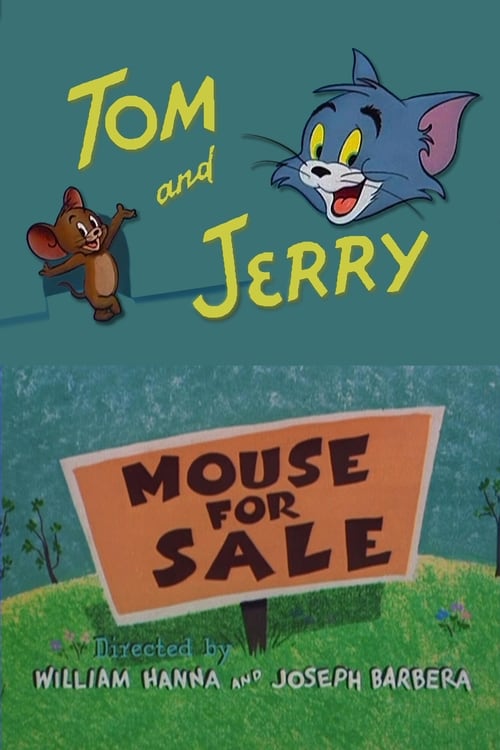
Mouse for Sale
1955
No user ratings available yet
Diversity score: 2.2 out of 10
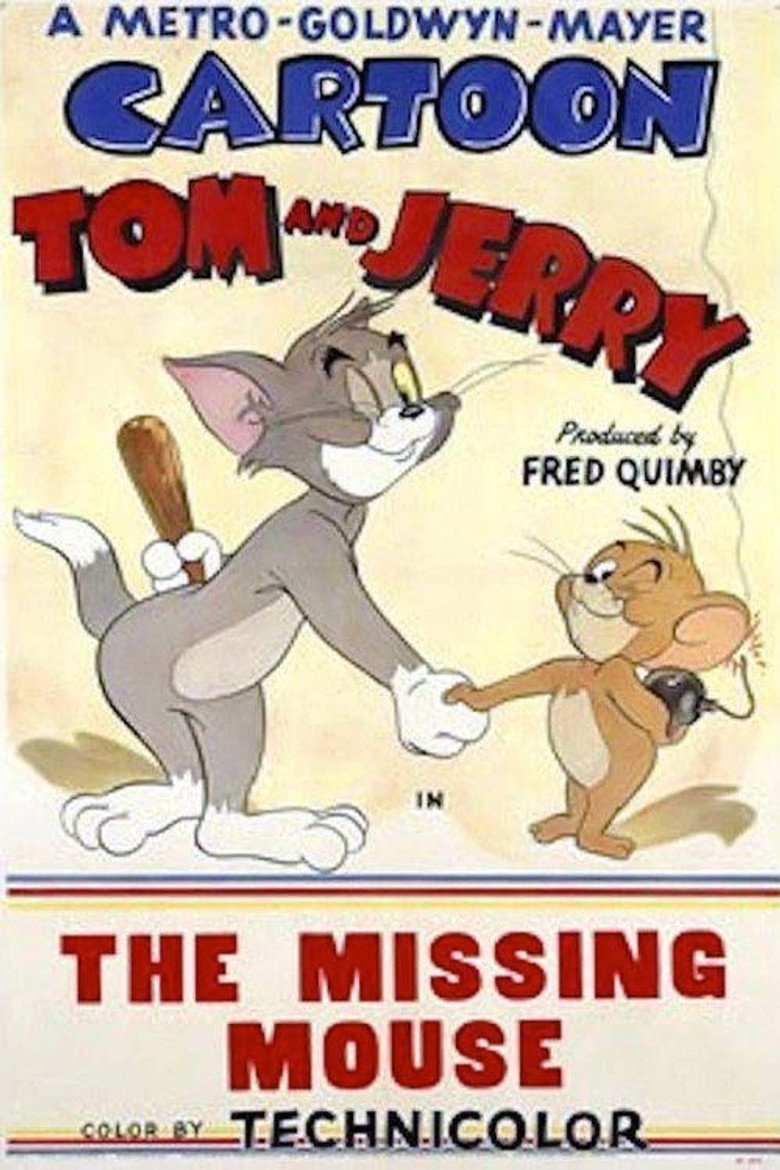
1953
NRDirector
William Hanna, Joseph Barbera
Runtime
7 minutes
Average Rating
No ratings yetSynopsis
Jerry is raiding the fridge while, nearby, a watchful Tom chases Jerry causing him to crash into a wall which, in turn, causes a bottle of white shoe polish to pour on Jerry. It is at this time when Tom hears on the radio that a dangerous white mouse, having swallowed an explosive formula, has escaped from a lab and that the slightest jar will cause an explosion and destroy a city. Tom then notices the now white Jerry and does whatever he can to stop Jerry from doing dangerous things to himself.
Overall Score
Limited
Category Breakdown
LGBTQ+ Representation
The film focuses exclusively on the predatory and prey dynamic between two animals. No queer subtext or non-heteronormative identities are present in this chase narrative.
Gender Representation
Characters are anthropomorphized animals defined by instinctual archetypes. The story relies on physical slapstick rather than exploring gender hierarchies or social roles.
Racial & Ethnic Diversity
The plot uses a white mouse as a literal physical descriptor via shoe polish. The setting reflects the homogeneous comedic standards of 1950s animation.
Religious & Cultural Diversity
The narrative operates within a traditional Western comedic framework. It prioritizes situational chaos over any form of cultural deconstruction or systemic critique.
Disability Representation
There are no characters with visible or invisible disabilities. Physical transformations serve purely as comedic plot devices rather than explorations of impairment.
Strengths
Areas for Improvement
AI Analysis
The film is a quintessential mid-century slapstick short that prioritizes kinetic energy and physical comedy over social commentary. The narrative architecture is built around a high-stakes misunderstanding involving a physical transformation, driving the conflict between the two animal protagonists. Because the story relies on instinctual archetypes and traditional chase tropes, it lacks the intentionality required to engage with identity or agency. The characters exist within a vacuum of situational irony rather than a social or cultural context. Ultimately, the work adheres to the established comedic paradigms of its era, focusing on externalized conflict rather than any form of systemic representation or subversion.
1955
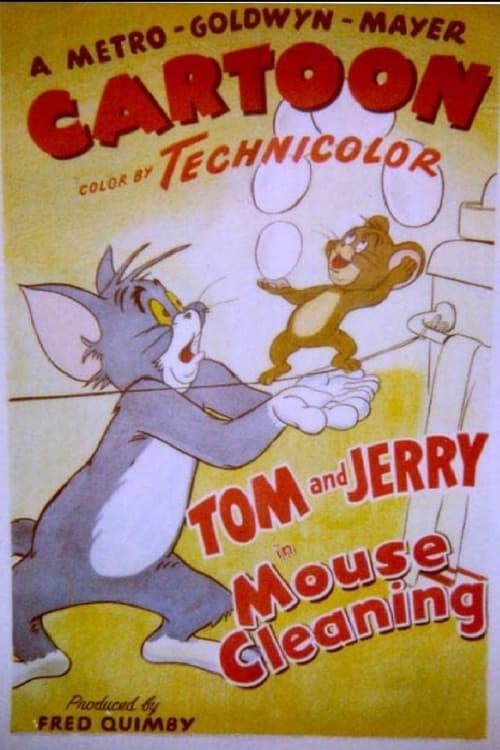
1948
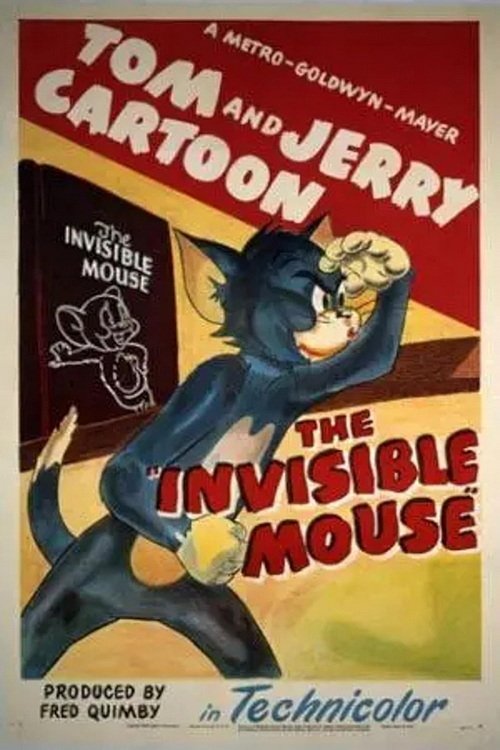
1947
1944
1952
1951
1954
1954
1945
1940
1954
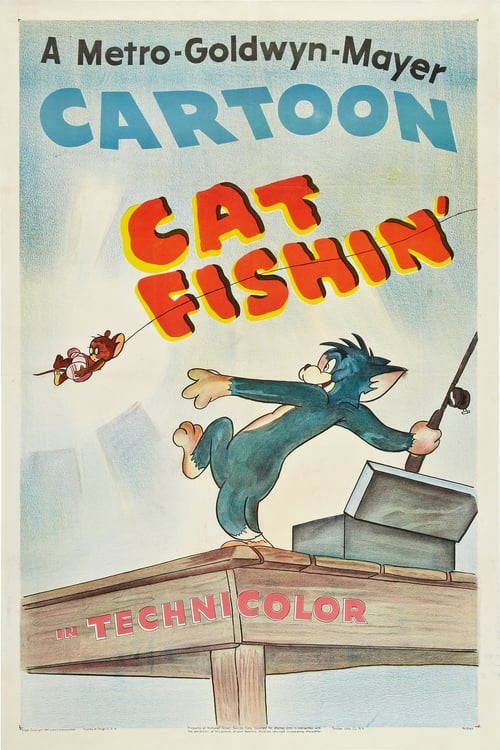
1947
No reviews yet. Be the first to share your thoughts on this movie!
Use the rating form above to leave a star rating and optional review.