
The Mouse Comes to Dinner
1945
No user ratings available yet
Representation score: 0.3 out of 10
Representation Score
Minimal
1948
NRDirector
William Hanna, Joseph Barbera
Runtime
8 minutes
Average Rating
No ratings yetNew Showbiz Analysis
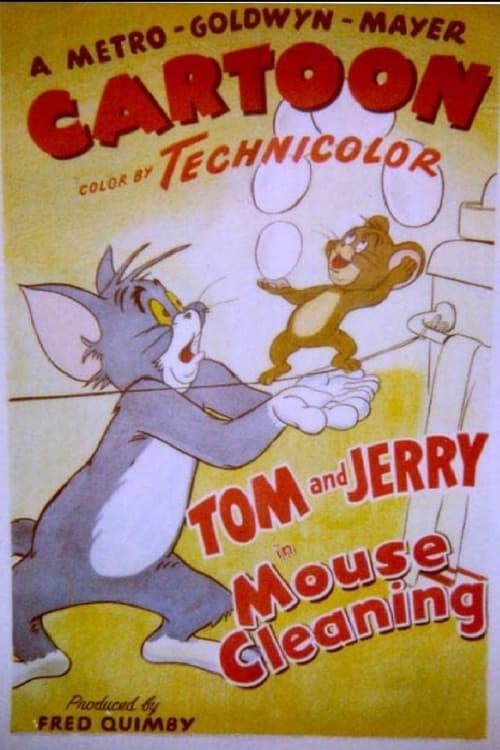
Mouse Cleaning is a product of its historical era, prioritizing slapstick comedy over social or characters who reflect more than one aspect of diversity. The narrative structure relies on physical clichés and environmental disruption rather than character depth. The film heavily depends on mid-century archetypes, particularly in its racial and gendered depictions. These portrayals reflect the social constraints of 1948 rather than challenging or subverting existing hierarchies. Ultimately, the work functions as a closed loop of slapstick entertainment. It lacks the intentionality required to engage with complex identity frameworks or provide meaningful representation.
Category Breakdown
The film focuses solely on the rivalry between Tom and Jerry and does not include any representation of LGBTQ+ identities or subtext related to sexual orientation or gender identity.
Mammy Two-Shoes holds a position of authority within the household but the portrayal relies on traditional mid-century gender roles. The film lacks nuanced exploration or subversion of gender power dynamics.
The character of Mammy Two-Shoes uses reductive racial stereotypes common to the era. The narrative reflects the social constraints of the time rather than providing depth or meaningful roles to characters of color.
The setting is a traditional Western home environment. The film operates as a standard commercial product, offering no engagement with ideological critiques or cultural deconstruction.
There are no depictions of neurodivergence or physical disabilities. Character actions are driven by cartoon physics rather than any representation of lived experience regarding disability.
Present on Screen
Limited or Absent
Official Synopsis
Mammy Two-Shoes threatens to throw Tom out of the house if he makes a mess. Jerry sees an opportunity to rid himself of his feline nemesis.
1945
1943
1940
1954
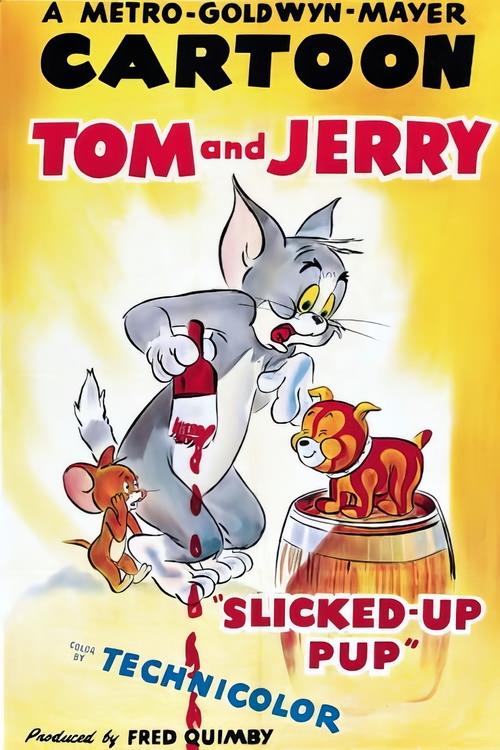
1951
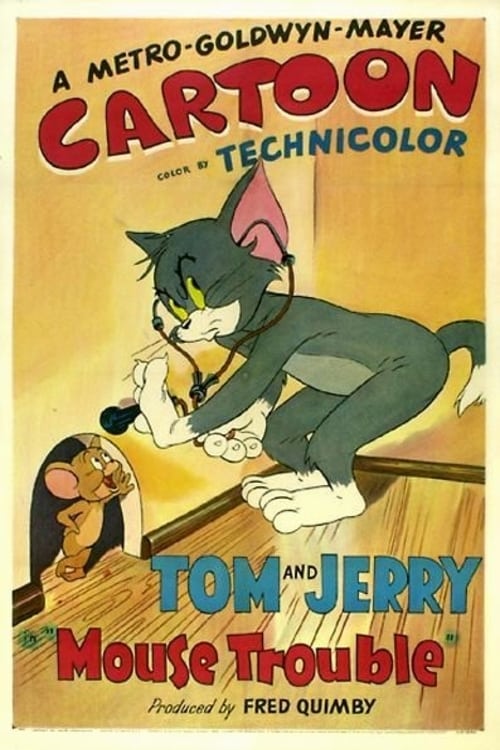
1944
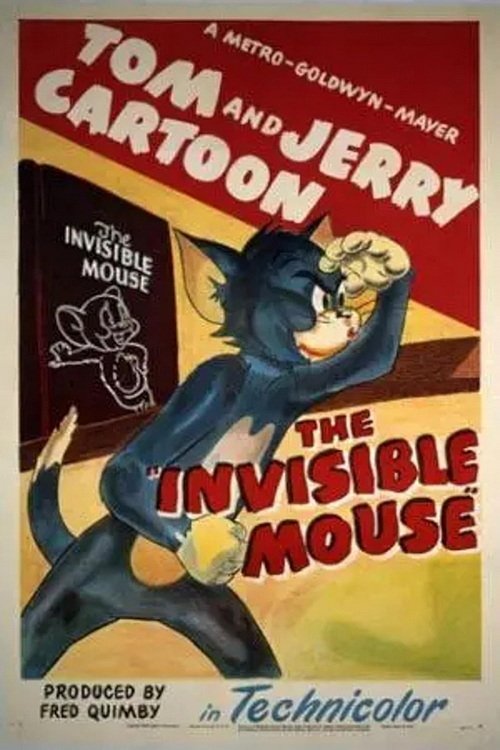
1947
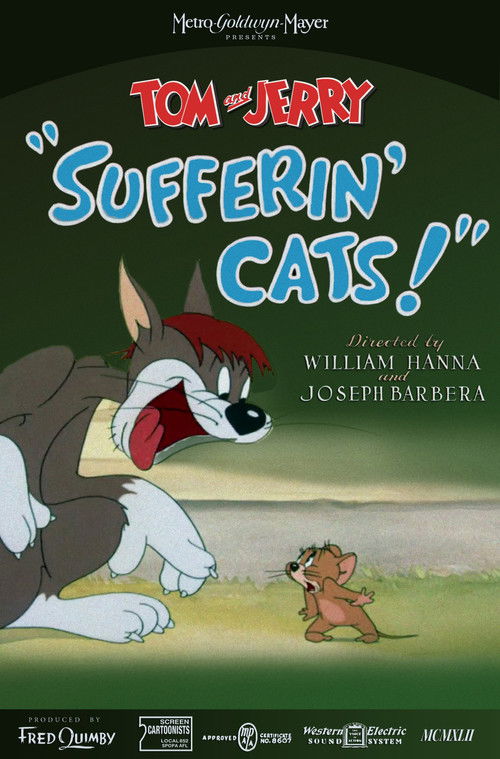
1943
No reviews yet. Be the first to share your thoughts on this movie!
Use the rating form above to leave a star rating and optional review.