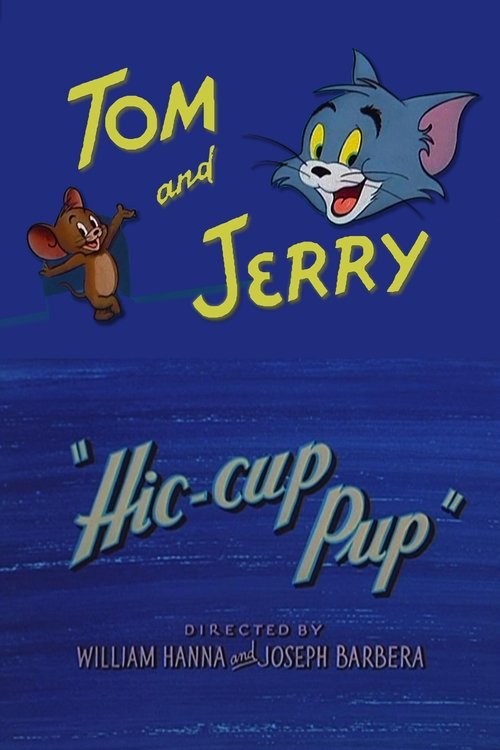
Hic-cup Pup
1954
No user ratings available yet
Representation score: 1.1 out of 10
Representation Score
Limited
1945
NRDirector
William Hanna, Joseph Barbera
Runtime
7 minutes
Average Rating
No ratings yetNew Showbiz Analysis
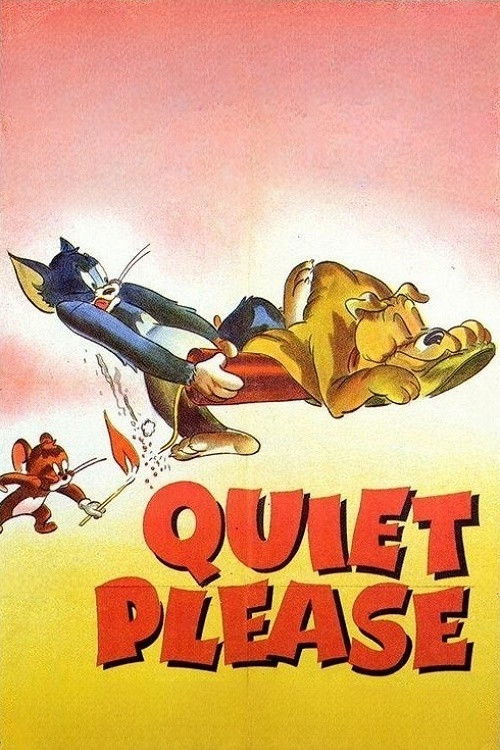
Quiet Please! is a product of its era, prioritizing situational slapstick over social or identity-driven narratives. The conflict is localized to a domestic dispute over noise and sleep, offering no engagement with broader human experiences. The animation relies on the physical dynamics between Tom, Jerry, and a dog. Because the characters are animals, the film avoids complex interpersonal power structures, resulting in a lack of representation across most identity categories. Ultimately, the work functions within a traditionalist comedic loop, focusing on the universal, physical humor characteristic of the early Tom and Jerry franchise.
Category Breakdown
The short does not include any LGBTQ+ characters or identities that challenge the assumption that everyone is straight or cisgender. The focus is purely on animal-centric slapstick comedy.
Since the cast consists of anthropomorphized animals, there are no complex gendered social hierarchies. The absence of women's ability to drive the story reflects traditional mid-century comedic frameworks.
The narrative centers on a domestic setting with no evidence of racial or ethnic diversity. It reflects the homogeneous focus typical of 1945 American animation.
The film adheres to traditional comedic structures centered on domesticity. It does not challenge institutions or explore secularist or anti-Western themes.
There is no indication of characters with visible or invisible disabilities. Slapstick physical reactions serve as comedic devices rather than nuanced portrayals of disability.
Present on Screen
Limited or Absent
Official Synopsis
The family dog warns Tom not to make any noise so he can take a nap. Jerry hears this and immediately devises plans to ensure that the dog's nap will be interrupted.
1954

1944
1946
1951

1942
1951

1954
1954
No reviews yet. Be the first to share your thoughts on this movie!
Use the rating form above to leave a star rating and optional review.