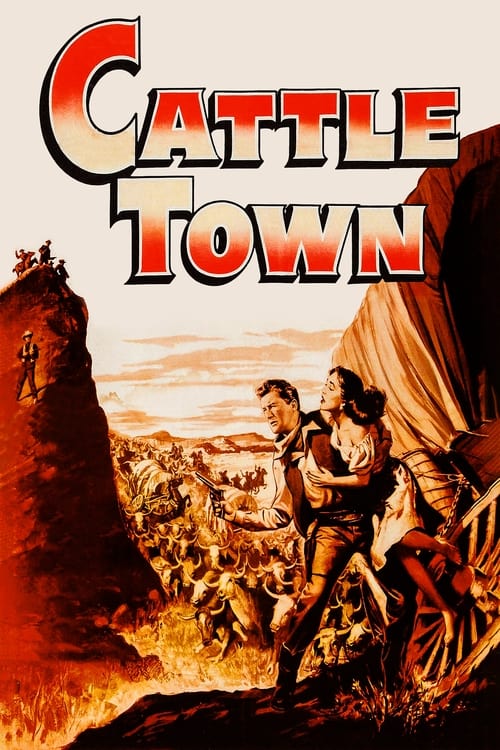
Cattle Town
1952
No user ratings available yet
Representation score: 1.0 out of 10
Representation Score
Minimal
1963
NRDirector
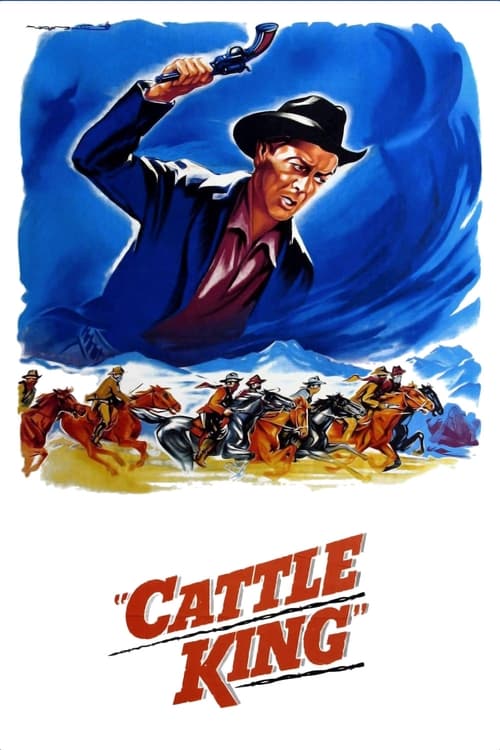
Tay Garnett
Runtime
88 minutes
Average Rating
No ratings yetNew Showbiz Analysis
Cattle King is a traditional Western that upholds established social and legal hierarchies. It relies on well-worn genre clichés that prioritize a singular, homogeneous perspective of the American West. The film lacks complexity in its portrayal of diverse identities, focusing instead on the transition from frontier justice to formal legal governance. It reinforces the legitimacy of capitalist ranching empires and formal legal structures. Ultimately, the production does not aim to disrupt conventional expectations but rather to stabilize them through a narrow, traditionalist lens.
Category Breakdown
The film does not include any visible or implied LGBTQ+ identities. It adheres to a traditional straight-centered framework typical of 1960s cinema.
The male protagonist drives the narrative, while female characters are confined to domestic or social roles, providing support rather than leading the story.
The cast is predominantly white, reflecting the era's reliance on Anglo-Saxon archetypes in the frontier setting.
The narrative emphasizes the establishment of Western institutions and property rights, reinforcing traditional social order and territorial stability.
There is no representation of physical, sensory, or neurodivergent disabilities among the characters.
Present on Screen
Limited or Absent
Official Synopsis
A rich landowner of Wyoming fights to prevent the Texas herds from trampling his rich meadows.
1952
1939
1956
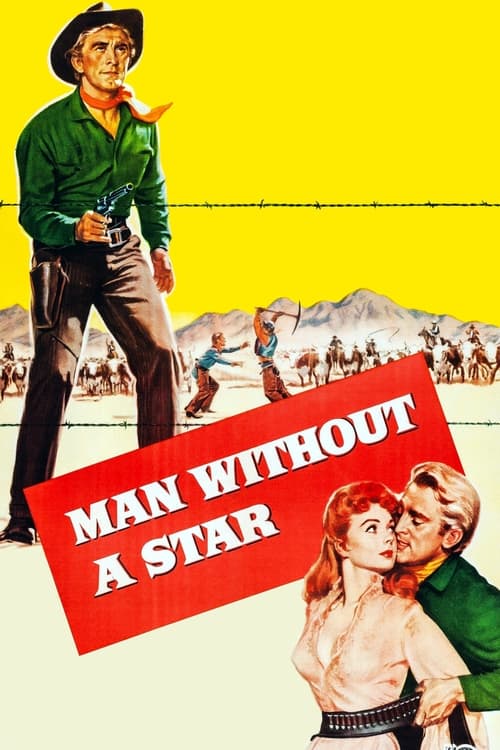
1955
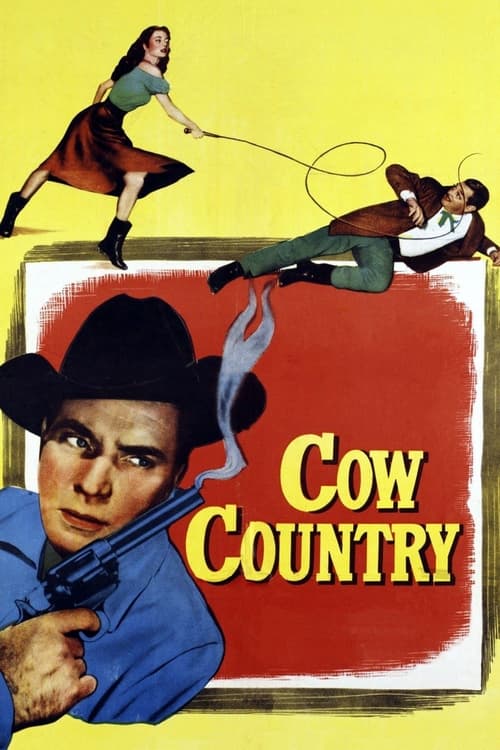
1953
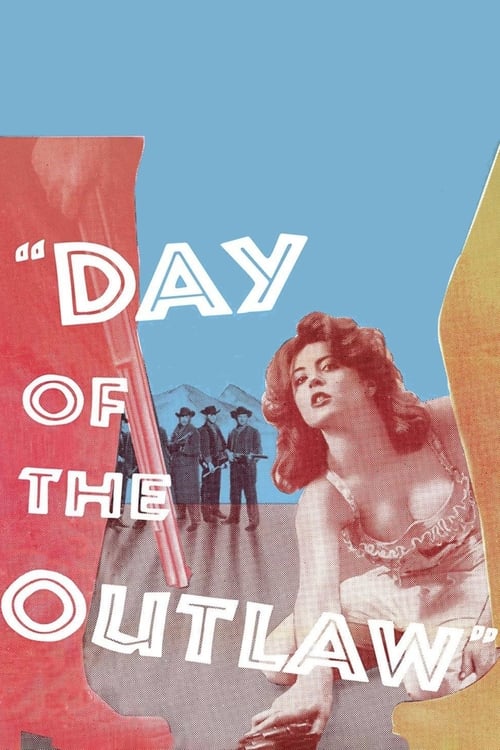
1959

1954
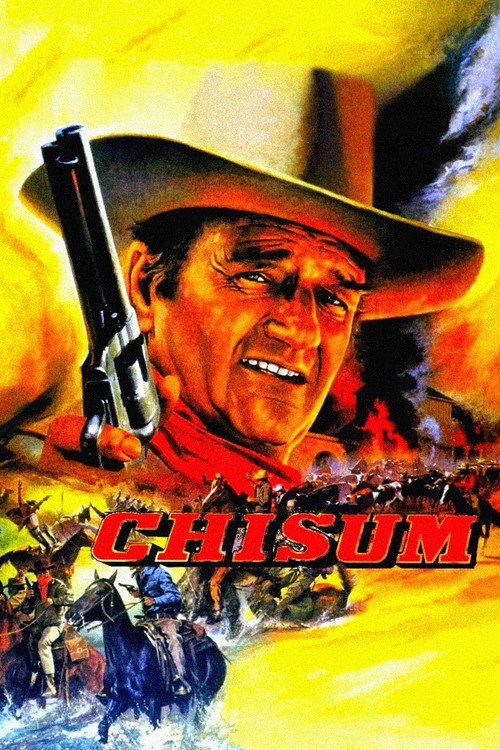
1970
No reviews yet. Be the first to share your thoughts on this movie!
Use the rating form above to leave a star rating and optional review.