
The Law vs. Billy the Kid
1954
No user ratings available yet
Representation score: 0.4 out of 10
Representation Score
Minimal
1955
NRDirector
Jacques Tourneur
Runtime
66 minutes
Average Rating
No ratings yetNew Showbiz Analysis
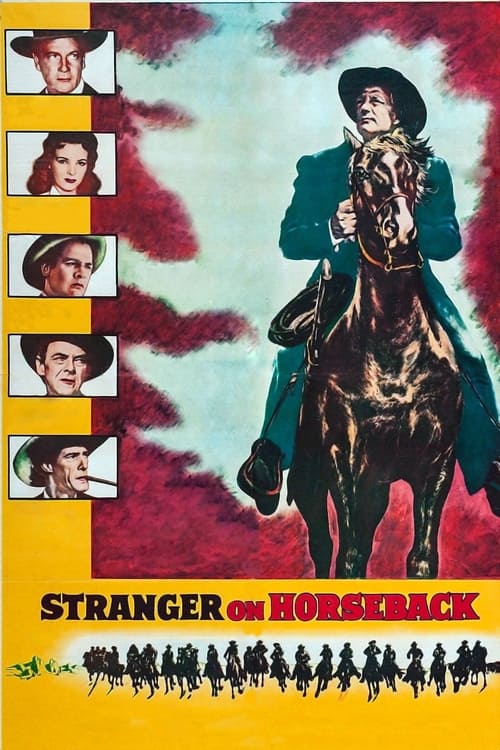
Stranger on Horseback is a classic mid-century Western that reinforces existing social and cultural hierarchies. The narrative structure relies on conventional genre clichés, prioritizing established authority and traditional gender roles without challenging the status quo. The film centers on enforcing law and protecting property rights. This singular moral framework aligns with the period's values, offering little space for diverse perspectives or social critique. Overall, the production reflects the homogeneous social structures typical of the 1955 frontier mythos, lacking meaningful representation across most demographic categories.
Category Breakdown
The film does not include any LGBTQ+ characters or non-straight identities. The story follows traditional 1950s romantic ideals.
Female characters mainly serve as catalysts for romantic tension rather than active drivers of the plot. The narrative upholds mid-century gender hierarchies and traditional male leadership.
The cast and setting are predominantly Anglo-Saxon, reflecting the homogeneous social structures of the time. There are no characters of color with significant roles.
The film emphasizes traditional Western institutions and mid-century American values. It focuses on property rights and judicial codes without challenging expansionism.
No visible or invisible disabilities are shown. Characters are not used as plot devices related to physical or mental health conditions.
Present on Screen
Limited or Absent
Official Synopsis
A circuit judge in the old west attempts to bring a suspected killer to justice. The judge runs afoul of the killer's rich cattle baron father in the process.
1954

1940

1951

1956
1964

1959

1956

1980
No reviews yet. Be the first to share your thoughts on this movie!
Use the rating form above to leave a star rating and optional review.