
The Basilisks
1963
No user ratings available yet
Diversity score: 5.3 out of 10
1998
Director
Daniele Ciprì, Franco Maresco
Runtime
93 minutes
Average Rating
No ratings yetSynopsis
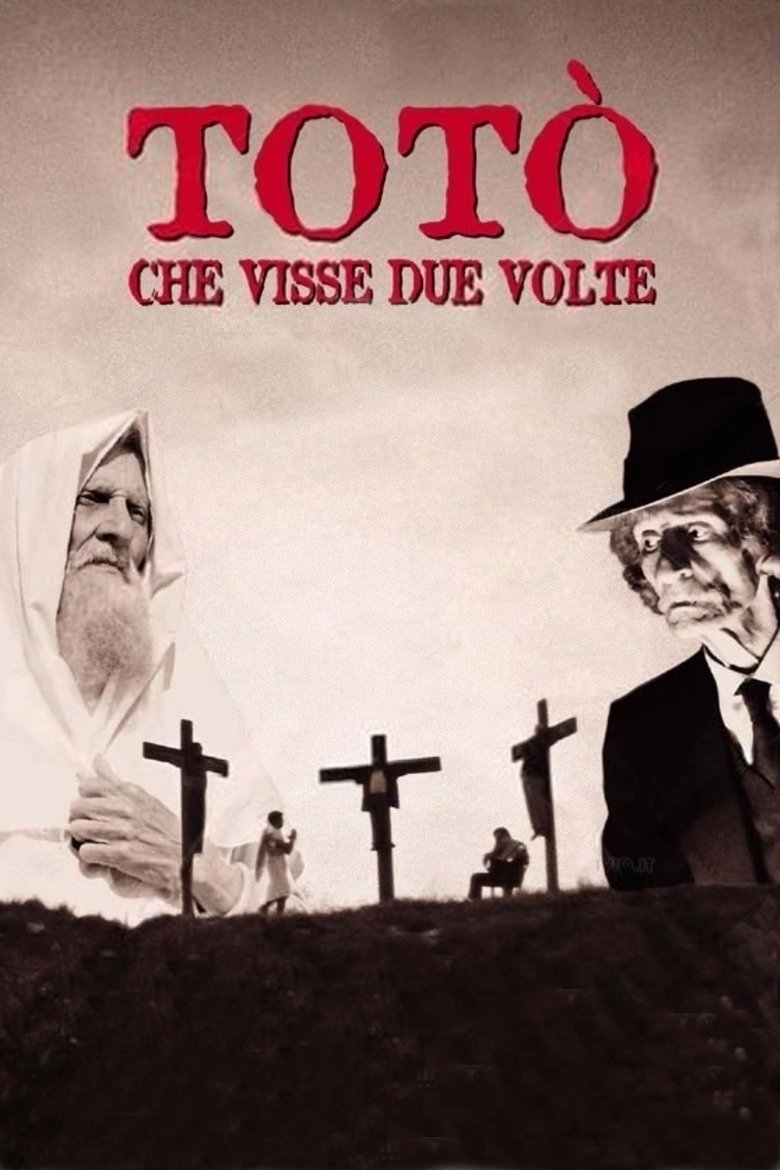
The film has three stories. First is about local village idiot Paletta, who can not afford the services of a whore and so steals a locket from a holy shrine belonging to local mafia don. Second shows the story of betrayal of Pitrinu (who's dead now) by his lover Fefe. Final episode is about lowlife Lazarus. He is killed by mob boss Toto, but raised from the dead by a local messiah, who is also known as Toto (and is played by same actor).
Overall Score
Fair
Category Breakdown
LGBTQ+ Representation
The narrative focuses on transactional relationships and betrayal. There is no explicit evidence of LGBTQ+ characters or specific critiques of heteronormativity within the provided stories.
Gender Representation
The film centers on male-driven conflicts involving mob bosses and lowlifes. Female characters appear to occupy secondary or transactional roles, such as sex workers, without clear agency.
Racial & Ethnic Diversity
Set in a localized Sicilian context, the film focuses on village life and the Mafia. The demographic appears ethnically homogeneous and tied to this specific regional setting.
Religious & Cultural Diversity
The film deconstructs traditional institutions by portraying the Mafia and holy shrines as sites of corruption. It prioritizes the perspectives of social outcasts over systemic authority.
Disability Representation
The character Paletta is framed as a village idiot, suggesting neurodivergence. However, this role serves more as a plot catalyst than a nuanced exploration of disability.
Strengths
Areas for Improvement
AI Analysis
Toto Who Lived Twice is a transgressive work that prioritizes social critique over demographic inclusion. It excels at dismantling traditional religious and systemic authority through a lens of grotesque realism. While the film provides a strong critique of cultural institutions, it lacks meaningful representation for LGBTQ+ individuals and women. The narrative remains heavily centered on male-driven power dynamics and social dysfunction. Ultimately, the film finds its strength in the margins, focusing on the lives of the marginalized and the corrupt nature of established social orders.
1963

1954

1985

2014

2000

2020
1974
1971

1967
1988

2009
1962
No reviews yet. Be the first to share your thoughts on this movie!
Use the rating form above to leave a star rating and optional review.