I Was a Dreamer
2016
No user ratings available yet
Diversity score: 5.5 out of 10
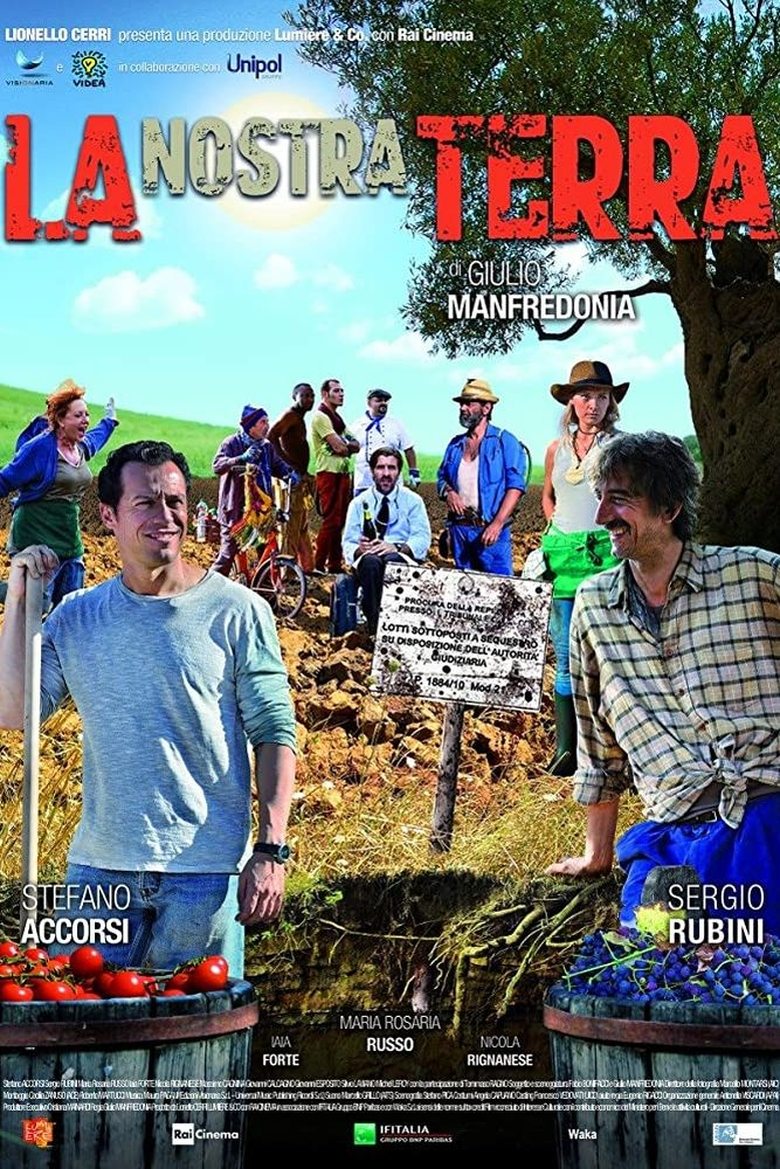
2014
Director
Giulio Manfredonia
Runtime
100 minutes
Average Rating
No ratings yetSynopsis
In Puglia, a cooperative wants to farm the land confiscated from a Mafioso, as it is legally entitled to do. But things are moving slowly. So the members of the cooperative turn to Filippo, who belongs to an anti-mafia organisation with its headquarters in the north. Filippo arrives in Puglia and realises that everyone, starting with the carabinieri, is taking huge liberties with the law.
Overall Score
Fair
Category Breakdown
LGBTQ+ Representation
The film lacks explicit evidence of LGBTQ+ character arcs or non-heteronormative identities. The narrative focus remains centered on the socio-political struggle of the agricultural cooperative.
Gender Representation
The cooperative setting allows for the potential subversion of patriarchal hierarchies through collective decision-making. However, there is no specific evidence of female characters driving the plot.
Racial & Ethnic Diversity
Set in Puglia, the film likely reflects a homogeneous Mediterranean demographic. It explores the tension between an outsider and locals rather than presenting a multi-ethnic cast.
Religious & Cultural Diversity
The story offers a strong critique of systemic corruption and state authority. It prioritizes communal agency and social justice over criminal or flawed institutional hierarchies.
Disability Representation
There is no indication that disability, neurodivergence, or chronic illness play a role in the character development or narrative.
Strengths
Areas for Improvement
AI Analysis
Mafia & Red Tomatoes is a regional drama that finds its strength in thematic depth rather than demographic breadth. It excels at deconstructing institutional authority, portraying the carabinieri and local systems as entities that manipulate the law. This focus on grassroots agency provides a progressive framework for social critique. However, the film's diversity is limited by its localized setting and specific narrative focus. The lack of visible LGBTQ+ identities or multi-ethnic representation results in a more homogeneous viewing experience. While the cooperative structure hints at social subversion, the cast appears largely centered on the regional Italian demographic. Ultimately, the film is a study of systemic friction. It trades broad demographic representation for a concentrated look at how communal collectives fight entrenched power structures.
No reviews yet. Be the first to share your thoughts on this movie!
Use the rating form above to leave a star rating and optional review.