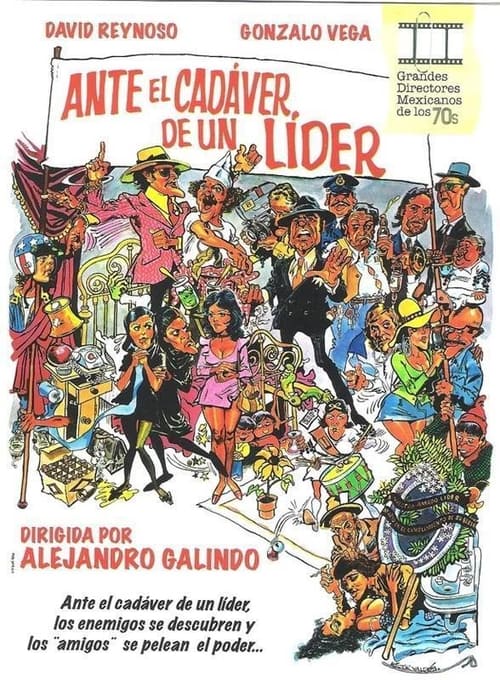
Before the Corpse of a Leader
1974
No user ratings available yet
Representation score: 6.0 out of 10

Representation Score
Limited
1967
Director
Antxón Eceiza
Runtime
93 minutes
Average Rating
No ratings yetNew Showbiz Analysis
Antxón Eceiza's film serves as a social realist critique of 1967 Spain. Despite its lack of demographic diversity, it excels in its examination of institutional oppression. The film uses a localized setting to highlight the tension between personal desires and state-imposed restrictions, offering a rich cultural commentary. Its strength lies in challenging traditional power structures, even within the confines of its era's social and political context.
Category Breakdown
The film features a same-sex romantic relationship between Nelson and his partner, but the connection is mostly implied rather than explicitly shown, likely due to censorship and social norms of the time.
Characters follow traditional gender roles typical of rural Galicia in the 1960s. There is little challenge to the power dynamics associated with these roles.
The story centers on a uniform Galician community, emphasizing regional identity and provincial life without much focus on racial or ethnic diversity.
The movie critiques the Francoist regime and the Catholic Church as oppressive forces that suppress individual freedom and expression.
The film does not significantly address physical or cognitive disabilities in its narrative.
Present on Screen
Limited or Absent
Official Synopsis
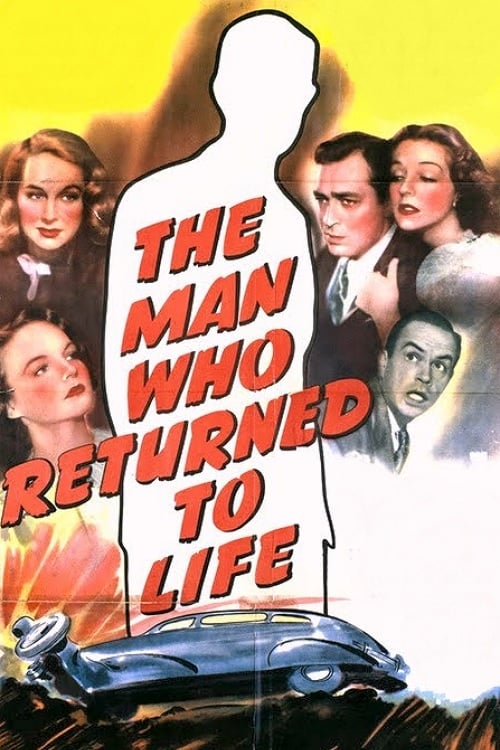
After seeing that Nelson kisses his lover, Barlow poisons him. But it turns out that Nelson comes back to life when he was about to be buried. From that moment, Barlow does not stop chasing him to finish his work.
1974
1955
1991

1993
1942
1964
1942
1991
No reviews yet. Be the first to share your thoughts on this movie!
Use the rating form above to leave a star rating and optional review.